Antique appraisals are a crucial aspect of understanding the true value of your cherished items. Whether you have inherited a family heirloom or stumbled upon a unique find at a flea market, knowing how to assess its worth can significantly impact your financial decisions.
Antique appraisal
is not merely about assigning a price tag; it involves a comprehensive evaluation of an item's history, condition, and market demand. This process requires expertise and an understanding of various factors that contribute to an antique's value. The importance of antique appraisals cannot be overstated.Accurate appraisals can help you make informed decisions regarding sales, insurance, and estate planning. They provide insights into the historical significance and craftsmanship of the item, which can enhance its appeal to collectors and investors alike. Furthermore, a professional appraisal can protect you from overestimating or underestimating the value of your antiques, ensuring that you receive fair compensation if you decide to sell. When it comes to how to appraise antiques, the process typically involves researching the item's provenance, examining its physical characteristics, and comparing it with similar items in the market. However, many individuals make common mistakes during this process that can lead to inaccurate valuations.
Understanding these pitfalls is essential for anyone looking to navigate the world of antique appraisals effectively.
Mistake #1: Overestimating Emotional Value
When it comes to antique appraisals, one of the most common pitfalls is the tendency to overestimate the emotional value of an item. Many individuals hold onto antiques that have been passed down through generations, often attributing a sentimental worth that far exceeds its market value. This emotional attachment can cloud judgment, leading to inflated appraisals that do not reflect the true worth of the piece.For instance, a family heirloom may evoke cherished memories and feelings of nostalgia, but these sentiments do not necessarily translate into financial value. While it is natural to feel a deep connection to items that have personal significance, it is crucial to approach antique appraisals with an objective mindset.Understanding Emotional Value
Emotional value can be defined as the worth assigned to an object based on personal experiences and memories rather than its historical or market significance.This can lead to unrealistic expectations when trying to sell or insure an antique. To avoid this mistake, consider the following:
- Seek Professional Opinions: Consulting with a certified appraiser can provide a more accurate assessment of your antique's value, free from personal bias.
- Research Market Trends: Understanding current market trends and comparable sales can help ground your expectations in reality.
- Separate Sentiment from Value: Try to view your antique as a potential buyer would, focusing on its condition, rarity, and demand rather than your personal attachment.
Mistake #2: Ignoring Market Trends
One of the most significant mistakes individuals make when attempting to appraise their own antiques is ignoring market trends. The value of antiques is not static; it fluctuates based on various factors, including consumer demand, economic conditions, and emerging trends in the collecting community.Failing to stay informed about these trends can lead to inaccurate appraisals and missed opportunities.For instance, certain styles or periods may experience a resurgence in popularity, causing their values to rise sharply. Conversely, items that were once highly sought after may fall out of favor, leading to a decrease in their worth. To avoid these pitfalls, it is essential to regularly research the current value of antiques and understand how the market affects antique prices.
- Follow Auction Results: Keep an eye on auction houses and online platforms where antiques are sold. This can provide insight into what collectors are currently willing to pay.
- Join Collector Groups: Engaging with communities of antique enthusiasts can help you stay updated on trends and shifts in the market.
- Read Industry Publications: Subscribing to magazines or websites dedicated to antiques can offer valuable information about market dynamics.
They can provide insights that go beyond mere aesthetics and historical significance, helping you understand how broader economic factors influence antique values.In summary, neglecting to consider antique market trends can lead to significant miscalculations in appraisal efforts. By staying informed and proactive, you can ensure that your antique evaluations are as accurate and beneficial as possible.
Mistake #3: Lack of Research on Provenance
When it comes to antique appraisals, one of the most significant yet often overlooked aspects is the provenance of the item. Provenance refers to the history of ownership and the journey an antique has taken over time. Understanding an antique's provenance is crucial for establishing its authenticity, value, and significance in the market.Many individuals make the mistake of underestimating the importance of provenance in their appraisal process.Here are some common pitfalls:
- Neglecting Documentation: Failing to gather or maintain records that trace the history of an item can lead to inaccurate appraisals. Documentation such as receipts, previous appraisals, or photographs can provide essential context.
- Ignoring Historical Context: Understanding the era in which an antique was created can significantly impact its value. Researching the cultural and historical significance of an item can reveal why it is sought after by collectors.
- Overlooking Previous Owners: The identity of previous owners can add value to an antique. Items that belonged to notable figures or were part of significant events often carry a premium price tag.
This includes:
- Consulting Experts: Engaging with historians or appraisers who specialize in your item's category can provide insights that you may not uncover on your own.
- Utilizing Online Resources: Websites dedicated to antiques and collectibles often have databases that can help trace provenance.
- Visiting Museums or Libraries: Many institutions have archives that can offer valuable information about specific items and their historical significance.
Mistake #4: Relying Solely on Online Valuations
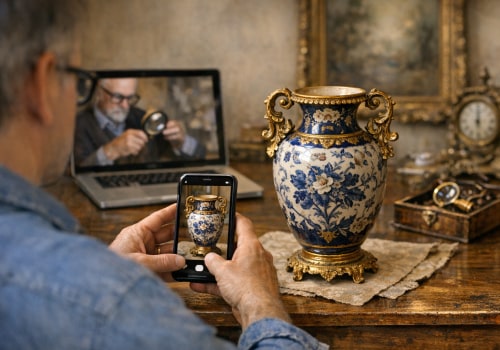
In the digital age, many individuals turn to online antique appraisal tools as a quick and convenient way to estimate the value of their collectibles. While these resources can provide a general idea, relying solely on them can lead to significant misjudgments.Limitations of Online Valuations
- Lack of Context: Online tools often lack the context necessary for accurate appraisals. Factors such as provenance, condition, and market demand are crucial in determining an item's true value.
- Generic Estimates: Many online platforms provide broad estimates based on limited data.
This can result in values that do not reflect the specific characteristics of your antique.
- Market Fluctuations: The antique market is dynamic, with values changing based on trends and buyer interest. Online tools may not account for these fluctuations, leading to outdated or inaccurate appraisals.
Accuracy of Online Appraisals
While some online appraisal services may offer a starting point, they cannot replace the nuanced understanding that a professional appraiser brings. Experts consider various elements that online tools simply cannot assess, such as:
- Condition Assessment: A professional can evaluate wear and tear, repairs, and overall condition, which are critical in determining value.
- Market Knowledge: Experienced appraisers have insights into current market trends and buyer preferences that online tools lack.
- Authenticity Verification: Professionals can authenticate items, ensuring that you are not misled by replicas or forgeries.
Mistake #5: Neglecting Condition Assessment
One of the most significant errors individuals make when conducting antique appraisals is neglecting to thoroughly assess the condition of their items.The condition of an antique can dramatically influence its value, and overlooking this aspect can lead to inflated or deflated appraisals.When evaluating the condition of an antique, consider the following factors:
- Physical Damage: Look for cracks, chips, or any signs of repair. These imperfections can significantly reduce an item's value.
- Wear and Tear: Assess how much the item has been used over time. Items that show excessive wear may not be as valuable as those in better condition.
- Originality: Ensure that all parts of the antique are original. Replacements or alterations can affect authenticity and, consequently, value.
- Finish and Patina: The surface condition is crucial.
A well-preserved finish or natural patina can enhance an item's appeal, while a poor finish can detract from it.
- Conduct a Detailed Inspection: Use good lighting and magnification tools to examine every aspect of the item closely.
- Document Findings: Take notes and photographs of any damage or wear. This documentation can be helpful for future appraisals.
- Consult Experts: If you're unsure about your assessment, consider seeking advice from a professional appraiser who specializes in antiques.
Mistake #6: Failing to Consult Experts
One of the most significant mistakes individuals make when attempting to assess the value of their antiques is neglecting to consult with professional appraisers. While it may seem tempting to rely on personal research or online resources, the nuances of antique appraisals often require a level of expertise that only trained professionals possess.Importance of Expert Appraisers
- Knowledge and Experience: Expert appraisers have extensive training and experience in identifying and valuing antiques.
They understand market trends, historical significance, and the specific characteristics that contribute to an item's value.
- Access to Resources: Professionals often have access to databases, auction results, and other resources that can provide a more accurate appraisal than what an individual might find on their own.
- Avoiding Overvaluation or Undervaluation: Without expert guidance, there is a risk of misjudging an item's worth, which can lead to significant financial losses or missed opportunities for profit.
When to Consult an Expert
If you are unsure about the authenticity or value of your antique, it is wise to seek professional help. This is especially true if:
- You are considering selling the item and want to ensure you receive a fair price.
- You are insuring the item and need an accurate valuation for coverage.
- You suspect that your antique may have historical significance or rarity that you are unaware of.
Finding a Qualified Appraiser
To find a qualified appraiser, consider the following steps:
- Look for appraisers who are members of recognized professional organizations, such as the American Society of Appraisers (ASA) or the International Society of Appraisers (ISA).
- Check their credentials and experience in the specific type of antiques you own.
- Read reviews or ask for recommendations from trusted sources in the antique community.
Frequently Asked Questions About Antique Appraisals
When it comes to antique appraisals, many individuals have questions that can help clarify the process and ensure they make informed decisions. Here are some frequently asked questions:What are the common mistakes people make when appraising their own antiques?
One of the most common mistakes is relying solely on online resources or auction sites for valuation.While these can provide a general idea, they often lack the context needed for accurate appraisals. Additionally, many people overestimate the value of their items based on sentimental attachment rather than market demand.
How can I get an antique appraised?
To get a reliable appraisal, consider the following steps:- Research qualified appraisers: Look for certified professionals who specialize in the type of antique you own.
- Request multiple opinions: Getting appraisals from different experts can provide a more comprehensive view of your item's value.
- Prepare your item: Ensure your antique is clean and well-presented, as this can influence the appraisal outcome.
What are the costs associated with antique appraisal services?
The cost of antique appraisal services can vary widely based on several factors:- Type of appraisal: Written appraisals tend to be more expensive than verbal ones.
- Expertise required: Specialists in rare or high-value items may charge higher fees due to their expertise.
- Location: Appraisal costs can also differ based on geographic location and market demand.
Conclusion: Key Takeaways for Accurate Antique Appraisals
In conclusion, understanding the intricacies of antique appraisals is crucial for anyone looking to evaluate their collectibles accurately. By avoiding common pitfalls, you can ensure that your appraisal reflects the true value of your antiques.- Research Thoroughly: One of the most significant mistakes is failing to conduct adequate research.
Knowledge about the history, provenance, and market trends of your antiques can greatly influence their value.
- Avoid Emotional Bias: Many collectors have a sentimental attachment to their items, which can cloud judgment. It's essential to approach appraisals with an objective mindset.
- Consult Experts: Relying solely on online resources or personal opinions can lead to inaccuracies. Engaging with certified appraisers or reputable auction houses can provide insights that are often overlooked.
- Neglecting Condition: The physical state of an antique plays a vital role in its valuation. Ignoring signs of wear, restoration, or damage can result in a misleading appraisal.
- Overlooking Market Demand: The value of antiques fluctuates based on current market demand.
Failing to consider this aspect can lead to overpricing or underpricing your items.