When it comes to antique appraisals, understanding the nuances of this specialized field is crucial for collectors and enthusiasts alike. An antique appraisal is a professional assessment that determines the value of an antique item based on various factors, including its age, condition, rarity, and market demand. This process not only helps in establishing a fair market price but also plays a significant role in insurance evaluations, estate planning, and even resale opportunities. The importance of appraisals cannot be overstated. They provide a documented valuation that can protect your investment and ensure that you are not underinsured or overpaying for an item.
Furthermore, a well-conducted appraisal can enhance the credibility of your collection, especially if you plan to sell or exhibit your antiques. However, finding an appraiser who specializes in your specific type of antique can often be a daunting task. Many collectors face challenges when seeking out experts who possess the necessary knowledge and experience in niche areas of antiques. Whether you own vintage jewelry, rare coins, or unique furniture pieces, the right appraiser can make all the difference in accurately valuing your items. In the following sections, we will explore what to do if you find yourself unable to locate a specialized appraiser for your antiques, ensuring that you are well-equipped to navigate this intricate landscape.
Why Specialized Appraisers Matter
When it comes to antique appraisals, the significance of finding a specialized appraiser cannot be overstated.Each type of antique, whether it be furniture, jewelry, or collectibles, has its own unique characteristics and market trends. A specialized appraiser possesses the knowledge and experience necessary to accurately assess these nuances, ensuring that your item is valued correctly.
Importance of Specialization
- Accurate Valuation: Specialized appraisers are familiar with the specific materials, craftsmanship, and historical context of particular antiques. This expertise allows them to provide a more precise valuation compared to general appraisers.
- Market Insights: An appraiser who specializes in a certain type of antique is likely to have a deeper understanding of current market trends and demand. This insight can significantly impact the potential selling price of your item.
- Authenticity Verification: Specialized appraisers are trained to identify genuine antiques versus reproductions or fakes.
Their expertise can help protect you from potential losses due to misrepresentation.
Types of Antique Appraisers
There are various types of specialized appraisers, each focusing on different categories of antiques:
- Furniture Appraisers: Experts in valuing period pieces, vintage furniture, and specific styles such as Art Deco or Victorian.
- Art Appraisers: Professionals who specialize in paintings, sculptures, and other forms of visual art, often with knowledge of specific artists or movements.
- Jewelry Appraisers: Specialists who understand gemstones, precious metals, and the intricacies of antique jewelry design.
- Collectibles Appraisers: Experts in niche markets such as coins, stamps, or vintage toys, who can provide insights into rarity and condition.
Challenges in Finding a Specialized Appraiser
Finding a specialized appraiser for your antiques can be a daunting task, especially when dealing with unique or rare items. Several challenges can arise during this search, making it essential to understand the landscape of antique appraisals.Geographical Limitations
One of the primary hurdles is geographical limitations. In many regions, there may be a lack of qualified appraisers who focus on specific types of antiques.
For instance, if you own a rare piece of furniture from a particular era, you might find that local appraisers specialize in more common items, leaving you with few options. This scarcity can lead to increased costs as you may need to travel long distances or even ship your item to an appraiser who has the necessary expertise.
Rarity of Specialties
Another challenge is the rarity of certain specialties within the field of antique appraisals. Some appraisers may have extensive knowledge in general antiques but lack the specific training or experience required for niche categories such as vintage toys, fine art, or historical artifacts. This can make it difficult to find someone who can accurately assess the value of your item.
Networking and Recommendations
To overcome these challenges, consider leveraging your network.
Reach out to local antique shops, museums, or historical societies for recommendations. Often, these organizations have connections with appraisers who specialize in various fields and can point you in the right direction.
Online Resources
Additionally, online platforms and directories can be valuable resources. Websites dedicated to antique appraisals often allow you to filter by specialty and location, helping you find qualified professionals more easily. However, always verify their credentials and experience before proceeding.In summary, while finding a specialized appraiser for your antiques can be challenging due to geographical limitations and the rarity of certain specialties, utilizing local networks and online resources can significantly enhance your search.
Alternative Options for Antique Appraisals
If you find yourself struggling to locate an appraiser who specializes in your type of antique, there are several alternative options available to ensure you receive a proper valuation.Consider General Appraisers
While specialized appraisers have in-depth knowledge of specific antiques, general appraisers can still provide valuable insights.Many general appraisers possess a broad understanding of various antiques and collectibles. When selecting a general appraiser, look for someone with experience in the antique market and check their credentials. You can often find qualified general appraisers through professional organizations such as the American Society of Appraisers or the Appraisers Association of America.
Utilize Online Appraisal Services
The rise of technology has made it easier than ever to obtain antique appraisals online. Numerous websites offer appraisal services where you can submit photographs and descriptions of your antiques for evaluation.Here are some steps to follow when using online appraisal services:
- Research reputable platforms: Look for well-reviewed websites that specialize in antique appraisals.
- Provide detailed information: Include high-quality images and thorough descriptions to help the appraiser assess your item accurately.
- Compare multiple appraisals: If possible, seek evaluations from different online services to get a range of opinions and values.
Join Antique Forums and Communities
Engaging with online forums and communities dedicated to antiques can also be beneficial. Members often share their experiences and may recommend appraisers or provide informal valuations based on their expertise. Websites like Antique Trader or The Antique Roadshow Forum can be excellent resources for connecting with knowledgeable individuals who can guide you in the right direction.In conclusion, while finding a specialized appraiser may be challenging, utilizing general appraisers, online services, and community resources can help you obtain accurate antique appraisals. By exploring these alternative options, you can ensure that your valuable items are properly assessed and valued.How to Evaluate an Appraiser's Credentials
When searching for an appraiser, especially for antique appraisals, it’s crucial to evaluate their credentials to ensure you receive a reliable and accurate assessment.Here are some key factors to consider:
- Professional Associations: Check if the appraiser is a member of recognized professional organizations such as the American Society of Appraisers (ASA) or the Appraisers Association of America (AAA). Membership in these organizations often requires adherence to strict ethical standards and ongoing education.
- Certifications: Look for appraisers who hold relevant certifications. For instance, a Certified Appraiser designation indicates that the appraiser has undergone rigorous training and testing in their field.
- Experience: Inquire about the appraiser's experience with antiques similar to yours. An appraiser with a solid background in your specific type of antique will likely provide a more accurate valuation.
- References and Reviews: Ask for references from previous clients or check online reviews.
Positive feedback from others can give you confidence in the appraiser's abilities.
- Sample Reports: Request to see sample appraisal reports. This will help you assess their writing style, thoroughness, and how well they document their findings.
DIY Appraisal Techniques for Antiques
If you find yourself unable to locate a specialized appraiser for your antique, there are several DIY appraisal techniques you can employ to gain a preliminary understanding of your item's value.While these methods won't replace a professional appraisal, they can provide valuable insights.
1.Research Online
- Utilize online resources such as auction sites, antique dealer websites, and appraisal databases. Websites like Antiques Roadshow and eBay can give you an idea of what similar items are selling for.
- Join online forums or social media groups dedicated to antiques. Engaging with fellow enthusiasts can provide tips and insights about your specific item.
2.Examine the Item Closely
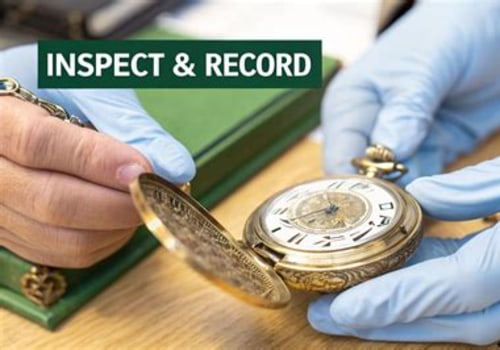
- Inspect your antique for any markings, labels, or signatures that could indicate its origin or maker. These details can significantly affect its value.
- Assess the condition of the item.
Look for any damage, repairs, or wear that may impact its worth. Take detailed notes and photographs to document its state.
3.Compare Similar Items
- Visit local antique shops or flea markets to compare your item with similar pieces. Pay attention to pricing and condition to gauge where your antique might fit in the market.
- If possible, attend antique shows or fairs where you can see a variety of items and speak with vendors about their pricing strategies.
4.Use Appraisal Guides
- Invest in reputable appraisal guides that focus on your type of antique. These books often provide historical context, market trends, and estimated values based on recent sales.
- Check out library resources or online databases that offer access to antique price guides.
Remember that while DIY methods are useful for initial assessments, consulting with a qualified appraiser is essential for an accurate valuation.
Connecting with Antique Communities and Resources
When faced with the challenge of finding an appraiser who specializes in your type of antique, connecting with antique communities can be an invaluable resource. These communities often consist of passionate collectors, experts, and enthusiasts who share a wealth of knowledge and experience.One effective way to engage with these communities is through online forums for antiques. Websites such as Reddit's Antiques subreddit or specialized forums like Antique Week provide platforms where you can ask questions, seek advice, and even find recommendations for appraisers. Participating in discussions can also help you learn more about your specific antique, which may lead to discovering appraisers who have expertise in that area.Additionally, consider joining local or national antique clubs.These organizations often host events, workshops, and exhibitions where you can meet fellow collectors and professionals in the field. Networking with other collectors not only enhances your understanding of antiques but also opens doors to finding reputable appraisers. Many members may have had similar experiences and can provide personal recommendations.Social media platforms like Facebook and Instagram also host groups dedicated to antiques. Joining these groups allows you to connect with a broader audience and tap into a network of individuals who share your interests.
You can post inquiries about appraisers or even share images of your antique to get feedback from knowledgeable members.In summary, leveraging antique communities, whether online or offline, is a strategic approach to finding specialized appraisers. By engaging with fellow enthusiasts and experts, you not only increase your chances of finding the right appraiser but also enrich your own knowledge about the fascinating world of antiques.
Frequently Asked Questions About Antique Appraisals
When it comes to antique appraisals, many individuals have questions about the process, especially if they are struggling to find a qualified appraiser for their specific type of antique. Here are some frequently asked questions that can help clarify your concerns:What should I do if I can't find a specialized appraiser?
If you are unable to locate an appraiser who specializes in your type of antique, consider the following steps:- Broaden your search: Look beyond local appraisers. Many professionals offer remote services and can evaluate items through detailed photographs and descriptions.
- Consult online resources: Websites like the American Society of Appraisers or the International Society of Appraisers can provide directories of certified appraisers.
- Join antique forums: Engaging with online communities can lead to recommendations from fellow collectors who may have faced similar challenges.
- Attend antique shows: These events often feature appraisers who specialize in various categories.
Networking at these shows can yield valuable contacts.
What qualifications should I look for in an appraiser?
When selecting an appraiser, ensure they have the following qualifications:- Certification: Look for appraisers who are certified by recognized organizations, as this indicates a level of expertise and adherence to ethical standards.
- Experience: An appraiser with extensive experience in your specific type of antique will likely provide a more accurate valuation.
- References: Ask for references or reviews from previous clients to gauge their reliability and professionalism.
How long does the appraisal process take?
The duration of the appraisal process can vary based on several factors, including the complexity of the item and the appraiser's workload. Generally, you can expect:- Initial consultation: This may take anywhere from 30 minutes to an hour, depending on the number of items and their details.
- Research and evaluation: The actual appraisal may take several days to weeks as the appraiser conducts thorough research.
- Report preparation: Once the evaluation is complete, preparing a detailed appraisal report can take additional time, typically ranging from a few days to a week.
Conclusion: Finding Your Path to Accurate Antique Valuation
In conclusion, navigating the world of antique appraisals can be challenging, especially when you find yourself unable to locate an appraiser who specializes in your specific type of antique. However, understanding the steps you can take to ensure accurate valuation is crucial for both personal and financial reasons.First and foremost, consider broadening your search. While it may seem daunting, many appraisers possess a wealth of knowledge across various categories of antiques.Reach out to local appraisal associations or organizations that can connect you with professionals who have a diverse background in antique valuation.
Utilizing Online Resources
Additionally, the internet offers a plethora of resources that can aid in your quest for accurate appraisals. Websites dedicated to antiques often feature forums where collectors and appraisers share insights. Engaging in these communities can provide valuable information and potentially lead you to an expert who can assist with your specific needs.Consider Alternative Valuation Methods
If traditional avenues prove fruitless, consider alternative methods for obtaining a valuation.Online appraisal services
have gained popularity and can offer quick assessments based on photographs and descriptions of your antiques.While these may not replace a hands-on evaluation, they can provide a preliminary understanding of your item's worth.Lastly, never underestimate the power of networking within the antique community. Attend local antique shows, fairs, or auctions where you can meet appraisers and other collectors. Building relationships in this space not only enhances your knowledge but also increases your chances of finding the right appraiser for your unique antique.In summary, while finding a specialized appraiser may require some effort and creativity, leveraging various resources and methods will ultimately lead you to an accurate valuation of your cherished antiques.