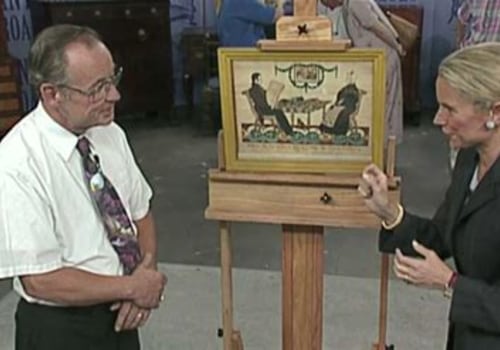
When it comes to antique appraisals, understanding their role in valuing collectibles is crucial for both collectors and sellers alike. An appraisal serves as a professional assessment of an item's worth, taking into account various factors such as age, condition, rarity, and market demand. This process not only helps in determining a fair price but also provides essential documentation that can be beneficial for insurance purposes, estate planning, or resale. The importance of appraisals cannot be overstated, especially in a market where the value of antiques can fluctuate significantly. A well-conducted appraisal can reveal hidden treasures within a collection, ensuring that owners are aware of the true worth of their items.
Moreover, it establishes credibility and trust in transactions, as potential buyers often seek verified valuations before making significant investments. As we delve deeper into the world of valuing antiques, it becomes evident that provenance—the history of ownership—plays a pivotal role in the appraisal process. Provenance not only adds to the narrative of an item but can also enhance its value dramatically. Understanding how antique appraisals intersect with provenance will shed light on why these assessments are indispensable for anyone involved in the antique market.
What is Provenance and Why Does it Matter?
Provenance
refers to the history of ownership of an object, particularly in the context of art and antiques. It provides a documented record that traces the item from its creation to its current owner.
This history can include details about previous owners, exhibitions, and any significant events associated with the piece. Understanding provenance is crucial for antique appraisals as it directly impacts both the value and authenticity of the item.The importance of provenance in antiques cannot be overstated. A well-documented provenance can significantly enhance an item's value, as it provides potential buyers with confidence in its authenticity. For instance, an antique piece that can be traced back to a renowned artist or a significant historical event is likely to command a higher price than a similar item without such a background.
- Authenticity: Provenance helps verify that an antique is genuine and not a reproduction or forgery.
- Historical Significance: Items with rich histories often carry more cultural or historical weight, making them more desirable.
- Market Value: Provenance can influence market trends; items with strong provenance may appreciate over time.
Appraisers often rely on provenance to substantiate their evaluations, making it an essential factor in the appraisal process.In summary, understanding what provenance is and why it matters is vital for anyone involved in buying, selling, or appraising antiques. It not only enhances the item's story but also solidifies its place in the market, ensuring that collectors and investors make informed decisions.
How Provenance Influences Antique Appraisals
Understanding how provenance influences antique appraisals is crucial for both collectors and sellers. Provenance refers to the history of ownership of an antique, and it plays a significant role in determining its value. Appraisers consider provenance as a key factor because it can provide insights into the authenticity, rarity, and historical significance of the item.Assessing Provenance
- Documentation: Appraisers look for any available documentation that traces the item's history.
This can include receipts, photographs, or previous appraisals that confirm its lineage.
- Ownership History: The previous owners of an antique can greatly affect its value. Items owned by notable figures or institutions often carry a premium due to their historical significance.
- Condition and Restoration: Provenance can also reveal whether an item has undergone restoration. An antique with a well-documented restoration history may be valued differently than one with unknown repairs.
For instance, an antique vase with a clear provenance linking it to a famous artist will likely command a higher price than a similar vase without such documentation.
Implications for Value
The implications of provenance on antique valuation are profound. A strong provenance can enhance an item's desirability and marketability, making it more appealing to potential buyers. Conversely, lack of provenance may lead to skepticism regarding authenticity, which can diminish value. Therefore, when considering an antique appraisal, understanding the role of provenance is essential for achieving an accurate and fair valuation.
Case Studies: Provenance in Action
Understanding the significance of provenance in antique appraisals can be best illustrated through real-life case studies.These examples highlight how the history of an item can dramatically influence its value and authenticity.
Case Study 1: The Ming Dynasty Vase
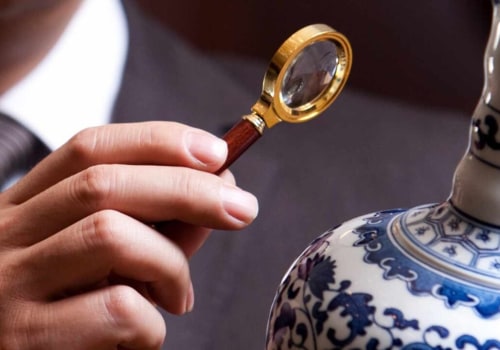
A renowned auction house recently appraised a vase believed to be from the Ming Dynasty. Initially, it was valued at around $50,000 based on its age and craftsmanship. However, upon further investigation, the appraisers discovered a detailed provenance tracing back to a prominent collector in the 19th century. This documentation included photographs and letters that confirmed its authenticity.As a result, the vase's value skyrocketed to $150,000 at auction, demonstrating how critical provenance can be in establishing an item's worth.
Case Study 2: The Lost Painting
In another instance, a painting attributed to a famous artist was brought in for appraisal. The owner had inherited it but lacked any documentation. Initial estimates placed its value at $10,000. However, after extensive research, appraisers uncovered a series of exhibition catalogs and auction records that linked the painting directly to the artist.This newfound provenance not only confirmed its authenticity but also revealed that it had been part of a significant art collection. Consequently, the painting was reappraised at $200,000.
Case Study 3: Antique Furniture
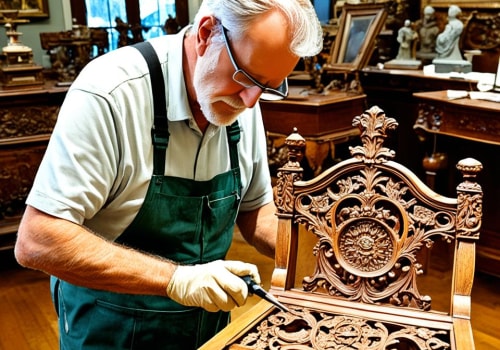
A set of antique chairs from the 18th century was presented for appraisal without any accompanying documentation. The initial appraisal suggested a value of $5,000 based on style and condition alone. However, when the owner provided family records indicating that these chairs were once owned by a notable historical figure, their value increased to $25,000.This case illustrates how even anecdotal provenance can enhance an item's appeal and marketability.These case studies underscore the importance of provenance in antique appraisals. They reveal that having a well-documented history not only aids in verifying authenticity but also significantly impacts the financial valuation of antiques.
Common Misconceptions About Provenance and Appraisals
When it comes to antique appraisals, there are several common misconceptions about the role of provenance that can lead to confusion among collectors and sellers alike. Understanding these myths is crucial for anyone looking to navigate the world of antiques effectively.- Myth 1: Provenance is Always Required for an Appraisal
Many believe that without a documented history, an antique cannot be appraised accurately. While provenance can enhance the value and authenticity of an item, it is not a strict requirement for all appraisals.Experienced appraisers can often assess an item's worth based on its physical characteristics, condition, and market demand.
- Myth 2: All Provenance is Equal
Not all provenance carries the same weight. An item with a vague or unverified history may not hold as much value as one with well-documented ownership. Collectors should be cautious about assuming that any provenance will automatically increase an item's worth. - Myth 3: Provenance Guarantees Authenticity
While a strong provenance can support claims of authenticity, it does not guarantee it. Counterfeit items can come with convincing documentation.Therefore, it’s essential to work with reputable appraisers who can verify both the item and its history.
- Myth 4: Provenance is Only Important for High-Value Items
Some collectors think that provenance matters only for high-end antiques. However, even lower-value items can benefit from a clear history, as it may enhance their appeal to potential buyers.
When is Provenance Not Necessary for an Antique Appraisal?
While provenance plays a crucial role in many antique appraisals, there are specific scenarios where it may not be necessary. Understanding these exceptions can help both appraisers and collectors navigate the complexities of valuing antiques.1.Commonly Recognized Items
In cases where an antique is widely recognized and has a well-established market value, such as certain types of furniture or ceramics, the absence of provenance may not significantly impact its appraisal.For example, a Chippendale chair or a Meissen vase may have a known value based on its style, age, and condition, making provenance less critical.
2.Condition and Quality Over History
The physical condition and quality of an antique can sometimes outweigh the need for provenance. An item that is in excellent condition, with no repairs or damage, may command a higher price than a similar piece with documented history but in poor condition. Appraisers often prioritize these tangible attributes when determining value.3.Items with Limited Historical Significance
Some antiques may lack significant historical context or documentation but still possess aesthetic or functional value. For instance, a vintage lamp from the mid-20th century might not have a detailed provenance but could still be highly sought after for its design and craftsmanship.4.Market Trends and Demand
The current market demand can also influence the necessity of provenance.If there is a surge in interest for a particular style or period, appraisers may find that buyers are willing to overlook the lack of documented history in favor of acquiring desirable pieces.In summary, while provenance is an important factor in many antique appraisals, there are notable exceptions where it may not be essential. Recognizing these scenarios allows for a more nuanced understanding of how antiques are valued in the marketplace.
FAQs About Provenance and Antique Appraisals
When it comes to antique appraisals, understanding the role of provenance can be crucial. Here are some frequently asked questions that can help clarify its importance:- What is provenance? Provenance refers to the history of ownership of an item, detailing where it has been, who has owned it, and any significant events associated with it. This information can greatly enhance the value of an antique.
- Why is provenance important for antique appraisals? Provenance can significantly affect an item's market value.
Items with a well-documented history often fetch higher prices at auction and are more desirable to collectors.
- Can I get an appraisal without provenance? Yes, you can still receive an appraisal without provenance; however, the lack of documented history may limit the appraisal's accuracy and potential value.
- How do I obtain provenance for my antiques? Provenance can often be established through research, including examining previous sales records, family histories, or expert consultations. Auction houses and galleries may also provide documentation.
- Does every antique need provenance? While not every antique requires provenance for an appraisal, having it can provide a competitive edge in the market and assure buyers of authenticity.
Conclusion: The Essential Role of Provenance in Antique Appraisals
In conclusion, the significance of provenance in antique appraisals cannot be overstated. Throughout this article, we have explored how provenance serves as a critical factor in determining the value and authenticity of antiques.Understanding the history and ownership of an item not only enhances its marketability but also provides potential buyers with confidence in their investment.Provenance offers a narrative that connects the past to the present, making an antique more than just a decorative object. It transforms it into a piece of history, often increasing its desirability among collectors and enthusiasts alike. Here are some key points to remember:
- Authenticity: Provenance helps verify the authenticity of an antique, ensuring that it is not a reproduction or forgery.
- Value: Items with documented provenance typically command higher prices in the market due to their verified history.
- Market Demand: Provenance can significantly influence market demand, as collectors often seek items with rich backgrounds.
- Legal Protection: Provenance can provide legal protection against claims of ownership disputes, making it essential for high-value items.
Therefore, whether you are a buyer, seller, or collector, understanding and valuing provenance is essential in navigating the world of antiques.