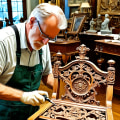
Antique appraisals are essential evaluations that determine the value of items considered to be antiques, typically over 100 years old. These appraisals are conducted by qualified professionals who possess extensive knowledge of historical context, market trends, and the specific characteristics that contribute to an item's worth. Understanding what an antique appraisal entails is crucial for collectors, sellers, and buyers alike, as it provides a clear picture of an item's financial value and historical significance. The importance of antique appraisals cannot be overstated. They serve multiple purposes, from establishing fair market value for sales and insurance purposes to aiding in estate planning and tax assessments.
For collectors, an accurate appraisal can enhance their understanding of their collection's worth and help them make informed decisions about future acquisitions or sales. Additionally, having a professional appraisal can protect against potential fraud and ensure that items are accurately represented in the marketplace. So, how do antique appraisals work? The process typically begins with a thorough examination of the item in question. Appraisers assess various factors such as age, condition, provenance, and rarity. They may also compare the item to similar pieces that have recently sold to gauge its market value.
After gathering all necessary information, the appraiser will provide a detailed report outlining their findings and the estimated value of the antique. This comprehensive approach not only helps in determining worth but also educates the owner about the historical context and significance of their item.
The Rise of Online Antique Appraisals
In recent years, the demand for online antique appraisals has surged, driven by the convenience and accessibility they provide. Traditional appraisal methods often require in-person visits, which can be time-consuming and costly. However, with the advent of technology, many appraisers now offer their services online, allowing collectors and enthusiasts to obtain valuations from the comfort of their homes.Benefits of Online Appraisals
- Convenience: Online appraisals eliminate the need for travel, making it easier for individuals to connect with experts regardless of their location.
- Accessibility: Many online platforms provide access to a wider range of appraisers, allowing users to choose specialists in specific types of antiques.
- Cost-Effectiveness: Online services often come at a lower price point compared to traditional appraisals, making them more accessible to a broader audience.
- Speed: Users can receive appraisals quickly, often within a few days, rather than waiting weeks for an in-person appointment.
How Online Appraisals Work
The process of obtaining an online antique appraisal typically involves a few straightforward steps:
- Submission: Collectors submit detailed information about their antiques, including photographs, descriptions, and any relevant history.
- Evaluation: Appraisers review the submitted materials and conduct research based on market trends and comparable sales.
- Report Generation: After thorough evaluation, appraisers provide a written report detailing the item's estimated value and any pertinent information regarding its provenance.
As the trend continues to grow, more individuals are likely to turn to online antique appraisal services, embracing the benefits they offer in today’s fast-paced world.
How to Get an Online Antique Appraisal
Obtaining an online antique appraisal can be a straightforward process if you follow the right steps. Here’s a guide to help you navigate through it effectively.- Research Reputable Appraisers: Start by looking for certified appraisers who specialize in antiques. Websites like the American Society of Appraisers or the Appraisers Association of America can provide lists of qualified professionals.
- Gather Information: Before reaching out, collect as much information as possible about your antique. This includes:
- The item's age and origin
- Any known history or provenance
- Condition and any repairs made
- High-quality photographs from multiple angles
- Contact Appraisers: Once you have your information ready, contact a few appraisers.
Provide them with the details you’ve gathered and ask about their process for online appraisals.
- Understand the Fees: Inquire about the cost of the appraisal. Some appraisers charge a flat fee, while others may charge based on the item's value. Make sure to clarify this upfront.
- Receive Your Appraisal: After submitting your information, the appraiser will evaluate your antique and provide you with a written report. This report should include details about the item, its estimated value, and any relevant market trends.
Expect clear communication from your appraiser regarding their findings and any additional questions they may have about your item.By following these steps and choosing a reputable appraiser, you can confidently obtain an accurate online antique appraisal that meets your needs.
Factors Influencing Antique Value
When it comes to antique appraisals, several key factors play a significant role in determining the value of an item. Understanding these factors can help both appraisers and collectors make informed decisions.- Rarity: The rarity of an antique is one of the most critical factors influencing its value. Items that are produced in limited quantities or are unique in design tend to fetch higher prices. For instance, a one-of-a-kind piece from a renowned artist or a rare collectible can significantly increase its market value.
- Condition: The physical state of an antique is paramount.
Items that are well-preserved, free from damage, and retain their original features are generally more valuable. Appraisers often assess the condition based on criteria such as wear and tear, restoration efforts, and overall aesthetic appeal. A piece that has been expertly restored may still hold considerable value, but it may not reach the same price as an untouched item.
- Provenance: Provenance refers to the history of ownership of an antique. A well-documented provenance can enhance an item's value significantly.
If an antique has a traceable history that includes notable previous owners or significant events, it adds to its allure and marketability. Collectors often seek items with rich stories behind them, making provenance a vital aspect of antique appraisals.
Common Myths About Antique Appraisals
When it comes to antique appraisals, there are several myths and misconceptions that can cloud the understanding of this important process. Debunking these myths is essential for anyone looking to accurately assess the value of their antiques.- Myth 1: All appraisals are the same. Many people believe that any appraisal will yield the same value, but this is far from the truth.
The value of an antique can vary significantly based on the appraiser's expertise, market conditions, and the specific details of the item.
- Myth 2: Appraisals are only for high-value items. While it’s true that many seek appraisals for valuable antiques, even items of modest worth can benefit from a professional evaluation. Understanding the value of your possessions can help in insurance, estate planning, or even personal knowledge.
- Myth 3: Online appraisals are not reliable. Some believe that online antique appraisals lack credibility. However, reputable online appraisal services employ qualified experts who can provide accurate assessments based on detailed photographs and descriptions. While in-person appraisals may offer more depth, online options can still be quite effective.
- Myth 4: The appraisal value is what you will get if you sell. Many assume that the appraisal value reflects the selling price.
In reality, appraisals often represent retail values, while actual sale prices can fluctuate based on demand and market trends.
Frequently Asked Questions About Online Antique Appraisals
When considering online antique appraisals, many potential clients have questions about the process, accuracy, and reliability. Here are some frequently asked questions that can help clarify your doubts:- How does an online antique appraisal work?
Online antique appraisals typically involve submitting detailed photographs of your item along with a description, including its dimensions, condition, and any provenance. Appraisers then analyze this information to provide an estimated value. - Are online appraisals as accurate as in-person appraisals?
While online appraisals can be quite accurate, they may not capture all nuances of an item that an in-person appraisal would.Factors like texture, weight, and subtle damages can be better assessed in person.
- What should I look for in an online appraisal service?
Choose a service with certified appraisers who have experience in the specific type of antiques you own. Look for reviews and testimonials to gauge their reliability and expertise. - Is there a cost associated with online appraisals?
Most online appraisal services charge a fee, which can vary based on the complexity of the item and the level of detail required. Some may offer free preliminary assessments. - Can I trust the valuation provided?
While many reputable services provide reliable valuations, it’s wise to seek multiple opinions if you’re unsure. Cross-referencing values from different sources can give you a better understanding of your item's worth.
Remember to do your research and choose a service that aligns with your needs.
Conclusion: Making Informed Decisions on Antique Appraisals
In conclusion, understanding the intricacies of antique appraisals is essential for anyone looking to value their collectibles accurately. Throughout this article, we have explored the various methods available for obtaining appraisals, including the convenience of online services. While online antique appraisals can provide a quick estimate, it is crucial to recognize their limitations compared to in-person evaluations.When considering an appraisal, keep in mind the following key points:- Research the appraiser: Whether online or offline, ensure that the appraiser has a solid reputation and relevant credentials.
- Understand the appraisal process: Familiarize yourself with how appraisals are conducted, including factors like condition, provenance, and market trends.
- Get multiple opinions: If possible, seek out several appraisals to gain a well-rounded understanding of your antique's value.
- Document everything: Keep records of all appraisals and any correspondence with appraisers for future reference.