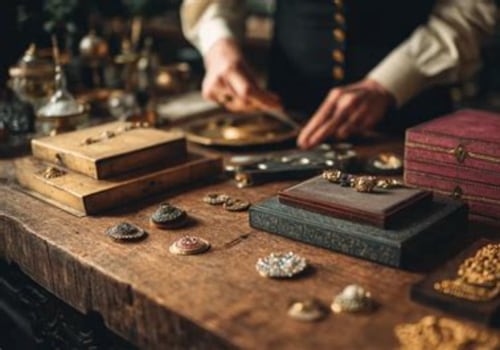
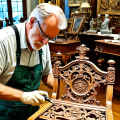
Understanding antique appraisals is essential for anyone looking to determine the value of their cherished items. An antique appraisal is a professional evaluation that assesses the worth of an item based on various factors, including its age, condition, provenance, and market demand. This process is crucial for collectors, sellers, and even insurance purposes, as it provides a clear picture of an item's financial value. The appraisal process typically involves a thorough examination of the piece in question. Appraisers consider not only the physical attributes of the item but also its historical significance and any alterations it may have undergone.
For instance, if an antique has been modified or restored, this can impact its value significantly. Understanding how these changes affect the appraisal is vital for owners who wish to sell or insure their antiques. In addition to evaluating the item itself, appraisers often conduct market research to compare similar pieces and establish a fair market value. This comprehensive approach ensures that the appraisal reflects current trends and buyer interest in the antique market. Whether you are curious about a family heirloom or considering selling a vintage find, knowing the basics of antique appraisals will empower you to make informed decisions about your valuable possessions.
What Constitutes Modification or Alteration?
When discussing antique appraisals, it is crucial to understand what constitutes modification or alteration.These terms refer to any changes made to an antique that can impact its authenticity, integrity, and ultimately, its value. Modifications can range from minor repairs to significant alterations that change the original design or function of the piece.
Types of Modifications
- Restoration: This involves repairing or refurbishing an antique to bring it back to its original condition. While some restoration is acceptable, excessive restoration can diminish value.
- Repurposing: This occurs when an antique is altered for a new use, such as turning a vintage dresser into a bathroom sink cabinet. Such changes can significantly affect the piece's marketability.
- Reconstruction: This is when parts of an antique are replaced or reconstructed, often using non-original materials.
This can lead to a loss of historical significance.
- Cosmetic Changes: Simple alterations like painting or refinishing can also be considered modifications. While these may enhance appearance, they can obscure the original finish and reduce value.
This transparency helps appraisers provide a more accurate valuation based on the current state of the item.
Impact of Modifications on Antique Value
When it comes to antique appraisals, understanding the impact of modifications on the value of a piece is essential. Modifications can range from minor repairs to significant alterations, and each type can affect the overall worth of an antique differently.Types of Modifications- Restorations: These are often necessary to preserve the integrity of an antique. While some restorations can enhance value, others may detract from it, especially if they are not done professionally.
- Alterations: Changes that significantly alter the original design or function of an antique, such as converting a piece of furniture into a different style, can lead to a decrease in value. Appraisers typically look for signs that the original craftsmanship has been compromised.
- Repairs: Minor repairs, such as fixing a broken leg on a chair, may not significantly impact value if done correctly.
However, using non-original materials can be detrimental.
Can You Still Get an Appraisal for Modified Antiques?
When it comes to antique appraisals, many collectors and owners often wonder if they can still receive an accurate appraisal for pieces that have been modified or altered.The short answer is yes, but there are several factors to consider.
Understanding the Impact of Modifications
Modifications can range from minor repairs to significant alterations that change the original character of the piece. The extent and nature of these changes will play a crucial role in the appraisal process. Here are some key points to keep in mind:
- Type of Modification: Some modifications may enhance the value, while others could detract from it. For example, a well-executed restoration might be viewed positively, whereas a poorly done alteration could lower the piece's worth.
- Historical Significance: If the modifications have historical relevance or are part of a documented restoration process, this can positively influence the appraisal.
- Market Demand: The current market demand for modified antiques can also affect value.
Certain collectors may seek out modified pieces, while others prefer items in their original state.
The Appraisal Process for Modified Antiques
When seeking an appraisal for a modified antique, it’s essential to work with a qualified appraiser who understands both the item and the implications of its modifications. Here’s what you can expect during the appraisal process:
- Detailed Examination: The appraiser will conduct a thorough examination of the piece, noting all modifications and their potential impact on value.
- Documentation Review: Providing any documentation regarding the history of modifications can help the appraiser assess the piece more accurately.
- Market Analysis: The appraiser will compare similar modified antiques in the market to determine a fair value based on current trends.
Finding a Qualified Appraiser for Modified Antiques
Finding a qualified appraiser for your modified antique can be a challenging yet rewarding process. Since modifications can significantly affect the value and authenticity of an item, it’s crucial to seek out an appraiser who has specific expertise in this area.Here are some tips to help you find the right appraiser:- Research Credentials: Look for appraisers who are certified by recognized organizations such as the American Society of Appraisers or the International Society of Appraisers.
These credentials often indicate a level of professionalism and expertise.
- Specialization Matters: Not all appraisers have experience with modified antiques. Seek out professionals who specifically mention their expertise in altered items. This specialization can make a significant difference in the accuracy of the appraisal.
- Ask for References: A reputable appraiser should be able to provide references from previous clients. Reach out to these references to inquire about their experiences and satisfaction with the appraisal process.
- Check Online Reviews: Websites like Yelp or Google Reviews can provide insights into an appraiser’s reputation.
Look for feedback that specifically mentions their work with modified antiques.
- Interview Potential Appraisers: Don’t hesitate to ask questions during your initial consultation. Inquire about their experience with modified antiques, their appraisal process, and how they determine value in altered items.
Common FAQs About Antique Appraisals and Modifications
When it comes to antique appraisals, many collectors and owners have questions about how modifications or alterations can affect the value and authenticity of their items. Here are some common FAQs regarding this topic:- Can I still get an appraisal for a modified antique?
Yes, you can still receive an appraisal for a modified antique.However, the modifications may impact the overall value. Appraisers will consider the extent and nature of the alterations when determining the item's worth.
- Do modifications always decrease the value of an antique?
Not necessarily. While some modifications can lower the value, others may enhance it, especially if they are historically significant or improve functionality without compromising authenticity. - What types of modifications are most concerning to appraisers?
Appraisers typically look for alterations that significantly change the original design, materials, or craftsmanship. For example, repainting a vintage piece or replacing original hardware can be detrimental to its value. - How do I find a qualified appraiser for my modified antique?
Seek out appraisers who specialize in your specific type of antique.Look for credentials from recognized organizations such as the American Society of Appraisers (ASA) or the International Society of Appraisers (ISA).
Conclusion: Navigating Antique Appraisals with Confidence
In conclusion, navigating the world of antique appraisals can be complex, especially when it comes to pieces that have been modified or altered. Understanding how these changes impact the value and authenticity of your item is crucial for both collectors and sellers alike. Throughout this article, we have explored the various factors that influence antique appraisals, including:- The significance of provenance: Knowing the history of your piece can greatly affect its appraisal value.
- The type of modifications: Some alterations may enhance a piece's appeal, while others can detract from its original value.
- The expertise of the appraiser: Choosing a qualified appraiser who understands the nuances of modified antiques is essential.
This approach will not only provide you with a range of opinions but also help you make informed decisions regarding buying, selling, or preserving your treasured items. Ultimately, being well-informed about how modifications affect antique appraisals empowers you to navigate this intricate market with confidence. Whether you are a seasoned collector or a newcomer, understanding these dynamics will enhance your appreciation for antiques and their unique stories.