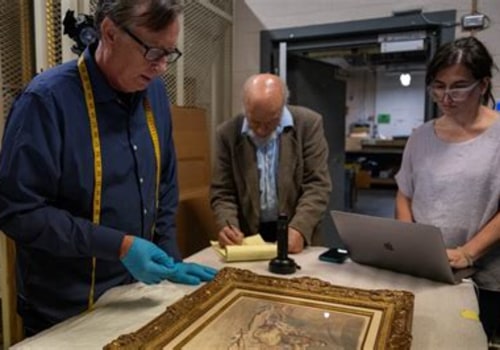
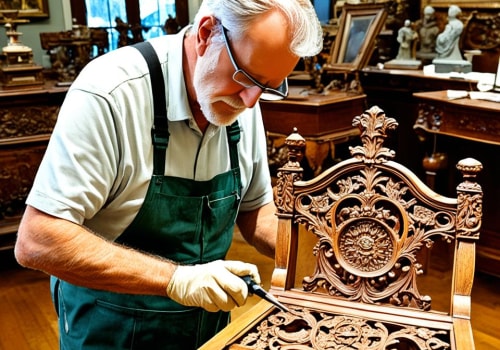
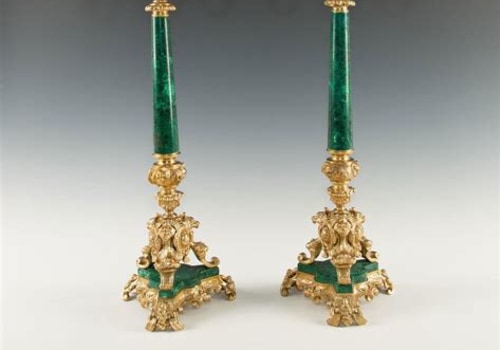
Antique appraisals play a crucial role in the world of collectibles, providing essential insights into the value of items that may hold significant historical or sentimental worth. Whether you are a seasoned collector looking to insure your prized possessions or a seller aiming to set a fair price, understanding the intricacies of antique appraisals is vital. These evaluations not only help in determining the market value of antiques but also offer a deeper appreciation for their provenance and craftsmanship. The cost of antique appraisals can vary widely based on several factors, including the appraiser's expertise, the complexity of the item, and the geographical location. Typically, appraisers may charge by the hour, with rates ranging from $50 to $300 or more, depending on their qualifications and experience.
Some may also offer flat fees for specific types of items or collections. Understanding these costs is essential for anyone considering an appraisal, as it can impact your overall investment strategy. In essence, an antique appraisal is not just about assigning a monetary value; it is an opportunity to learn about the history and significance of your items. As you delve deeper into the world of antiques, you will find that these appraisals can enhance your knowledge and appreciation for the art and culture they represent. This foundational understanding sets the stage for exploring the various factors that influence appraisal fees and how to choose the right appraiser for your needs.
Factors Influencing Antique Appraisal Costs
When considering antique appraisals, several key factors can significantly influence the overall cost.Understanding these elements can help you prepare for the financial aspect of obtaining an appraisal.
- Type of Item: The nature of the antique plays a crucial role in determining appraisal costs. For instance, rare collectibles, fine art, or vintage jewelry may require specialized knowledge, leading to higher fees. In contrast, more common items might be appraised at a lower rate.
- Condition: The physical state of the item is another critical factor. Antiques in excellent condition typically command higher appraisals due to their desirability and potential market value.
Conversely, items that are damaged or require restoration may incur additional costs for the appraiser's time and expertise.
- Appraiser's Expertise: The qualifications and experience of the appraiser can also affect pricing. Highly regarded appraisers with extensive credentials or specialized knowledge in certain types of antiques may charge premium rates for their services.
- Location: Geographic location can impact appraisal costs as well. In urban areas with a higher cost of living, you may find that appraisal fees are elevated compared to rural regions.
- Market Demand: The current market demand for specific types of antiques can fluctuate, influencing appraisal costs. If an item is in high demand, it may warrant a more thorough and thus more expensive appraisal process.
By understanding what influences these costs, you can make informed decisions and potentially negotiate better rates based on your specific circumstances.
Average Costs of Antique Appraisals
When considering antique appraisals, understanding the average costs involved is crucial for both buyers and sellers. The fees for appraisals can vary significantly based on several factors, including the type of item being appraised, the appraiser's experience, and the geographical location.Typical Appraisal Fees
- Hourly Rates: Many appraisers charge by the hour, with rates typically ranging from $50 to $150 per hour. Highly experienced appraisers or those with specialized knowledge may charge even more.
- Flat Fees: Some appraisers offer flat fees for specific types of items or collections. For example, a flat fee for a single piece might range from $100 to $300, while a full estate appraisal could cost anywhere from $500 to $2,000 or more.
Factors Influencing Costs
- Type of Antique: The complexity and rarity of the item can significantly affect the cost.
For instance, fine art or rare collectibles may incur higher fees due to the expertise required.
- Location: Appraisal costs can also vary by region. Urban areas with a higher cost of living may see higher appraisal fees compared to rural locations.
- Appraiser's Credentials: Certified appraisers or those affiliated with professional organizations may charge more due to their qualifications and reputation.
Types of Antique Appraisals and Their Costs
When considering antique appraisals, it's essential to understand that there are various types of appraisals, each serving different purposes and coming with distinct costs. Here, we will explore the most common types of antique appraisals and what you can expect to pay for each.- Estate Appraisals: These appraisals are typically conducted when someone passes away, and their belongings need to be valued for distribution among heirs or for tax purposes.
The cost for estate appraisals can range from $300 to $1,500, depending on the size of the estate and the number of items being appraised.
- Insurance Appraisals: If you want to insure your antiques, an insurance appraisal is necessary. This type of appraisal provides a detailed report that helps determine the value of your items for coverage. Costs usually fall between $100 and $500 per item, but this can vary based on the complexity and rarity of the piece.
- Market Value Appraisals: These appraisals assess the current market value of an antique, which is particularly useful if you plan to sell. Fees for market value appraisals can range from $150 to $600, depending on the appraiser's expertise and the item's significance.
- Specialized Appraisals: For unique or rare items, such as fine art or collectibles, specialized appraisals may be required.
These appraisers often have niche expertise, and costs can vary widely, typically starting around $200 and going up to several thousand dollars for high-value items.
How to Choose an Appraiser: Cost vs. Quality
When it comes to antique appraisals, selecting the right appraiser is crucial for ensuring you receive a fair and accurate valuation of your items. However, the balance between cost and quality can often be a challenging aspect to navigate.Understanding Appraisal Costs
- The cost of an appraisal can vary significantly based on factors such as the appraiser's experience, the complexity of the item, and the geographical location.
- On average, you might expect to pay anywhere from $50 to $300 per hour for an appraisal, with some appraisers charging a flat fee for specific items.
- While it may be tempting to choose the cheapest option, remember that lower costs can sometimes correlate with less experienced appraisers.
Evaluating Quality
- Look for appraisers who are certified by recognized organizations such as the American Society of Appraisers or the International Society of Appraisers.
These credentials often indicate a higher level of expertise.
- Check reviews and testimonials from previous clients to gauge their satisfaction with the appraiser's services.
- Ask about the appraiser's experience with your specific type of antique, as specialized knowledge can greatly enhance the accuracy of the appraisal.
Finding a Good Appraiser
- Start by seeking recommendations from friends, family, or local antique shops. Personal referrals can lead you to trustworthy professionals.
- Utilize online directories and resources that list qualified appraisers in your area. Many professional organizations maintain databases of certified appraisers.
- Before making a decision, consider interviewing potential appraisers. This conversation can provide insight into their approach and help you assess their communication skills.
Balancing these two elements will lead you to a satisfactory appraisal experience.
Common Questions About Antique Appraisal Costs
When considering antique appraisals, many individuals have questions regarding the costs involved. Here are some of the most frequently asked questions that can help clarify common concerns about appraisal costs.What factors influence the cost of an antique appraisal?
The cost of an antique appraisal can vary significantly based on several factors, including:- Type of item: Different types of antiques, such as furniture, jewelry, or art, may require different levels of expertise and time to appraise.
- Appraiser's experience: More experienced appraisers often charge higher fees due to their extensive knowledge and reputation in the field.
- Location: Appraisal costs can differ based on geographic location, with urban areas typically having higher rates than rural ones.
- Complexity of the appraisal: Items that require extensive research or verification may incur additional costs.
Are there different pricing structures for appraisals?
Yes, there are generally two main pricing structures for antique appraisals:- Flat fee: Some appraisers charge a flat fee for their services, which can range from $50 to several hundred dollars depending on the item and the appraiser's qualifications.
- Hourly rate: Others may charge by the hour, with rates typically ranging from $75 to $300 per hour. This method is often used for more complex items that require detailed analysis.
Is it worth paying for an appraisal?
Investing in a professional appraisal can be beneficial for several reasons:- Accurate valuation: A qualified appraiser provides a reliable valuation that can be crucial for insurance purposes, estate planning, or selling an item.
- Avoiding scams: Having a professional appraisal helps protect against potential scams when selling antiques.
- Documentation: An official appraisal document can enhance the credibility of your antique when presenting it to potential buyers or collectors.
Conclusion: Making Informed Decisions on Antique Appraisals
In conclusion, understanding the costs associated with antique appraisals is crucial for anyone looking to evaluate their valuable items. Throughout this article, we have explored various factors that influence appraisal fees, including the type of appraisal, the appraiser's experience, and the geographical location.It is essential to remember that while some appraisers may charge a flat fee, others might base their charges on a percentage of the item's value.This variability can significantly impact your overall costs. Therefore, it is advisable to:
- Research multiple appraisers: Compare their qualifications, experience, and fee structures.
- Ask for references: A reputable appraiser should be able to provide testimonials or references from previous clients.
- Clarify costs upfront: Ensure you understand all potential fees before committing to an appraisal.