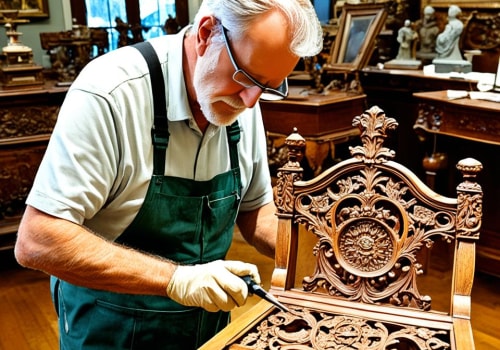
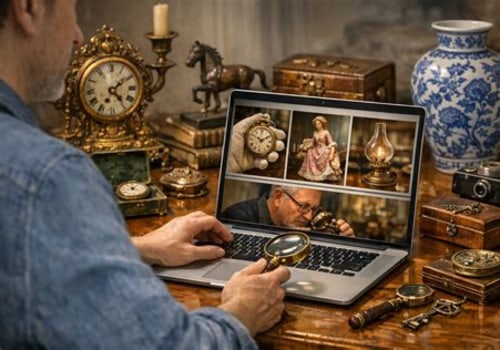
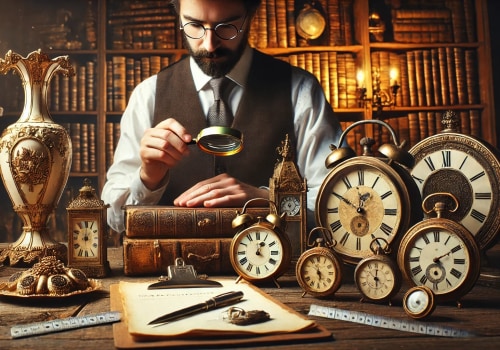
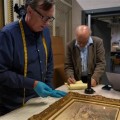
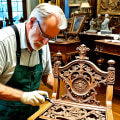
An antique appraisal is a professional evaluation of an item or collection that determines its value based on various factors such as age, condition, rarity, and market demand. This process is essential for collectors, sellers, and buyers alike, as it provides a clear understanding of what an item is worth in today’s market. Whether you own a single heirloom or an extensive collection of antiques, knowing the value can significantly influence your decisions regarding sale, insurance, or inheritance.The importance of antique appraisals cannot be overstated. They serve multiple purposes: from establishing fair market value for selling items to providing documentation for insurance purposes.
In many cases, an appraisal can also help in determining the authenticity of an item, which is crucial in a market where reproductions and fakes are prevalent. A qualified appraiser not only assesses the monetary value but also offers insights into the historical significance and provenance of the piece.In essence, an antique appraisal is more than just a number; it encapsulates the story behind the item and its place in history. Understanding this process lays the groundwork for appreciating the nuances of antique valuation and highlights why seeking a professional appraisal is a wise step for anyone involved in the world of antiques.
Types of Antique Appraisals
When it comes to antique appraisals, understanding the different types available is essential for anyone looking to determine the value of their items or collections. Appraisals can vary significantly based on the method used, the purpose of the appraisal, and the qualifications of the appraiser.Formal Appraisals
A formal appraisal is typically conducted by a certified appraiser who adheres to established standards and guidelines.These appraisals are often required for legal purposes, such as estate settlements, insurance claims, or tax assessments. A formal appraisal usually includes:
- Detailed documentation: A comprehensive report that outlines the item’s history, condition, and market value.
- Professional credentials: The appraiser should have relevant qualifications, such as membership in professional organizations like the American Society of Appraisers (ASA).
- Market analysis: An evaluation based on current market trends and comparable sales.
Informal Appraisals
In contrast, an informal appraisal may be conducted by someone without formal training or certification. This type of appraisal can be useful for personal knowledge or casual inquiries but lacks the rigor and documentation of a formal appraisal. Informal appraisals might include:- Verbal estimates: Quick assessments provided by friends, family, or local antique shop owners.
- Online evaluations: Utilizing online platforms or forums where enthusiasts share insights about specific items.
- Casual observations: General discussions about an item’s value based on personal experience or anecdotal evidence.
For accurate and legally binding valuations, seeking a formal appraisal is always recommended. Understanding these differences will help you choose the right approach for your antique appraisal needs.
How to Get an Antique Appraisal
Obtaining an antique appraisal can be a straightforward process if you follow the right steps. Here’s a guide to help you navigate through it.- Identify Your Item: Before seeking an appraisal, gather as much information as possible about your antique. This includes its age, origin, maker, and any unique features.
Take clear photographs from multiple angles to provide to the appraiser.
- Research Qualified Appraisers: Look for certified appraisers who specialize in the type of antique you own. Organizations such as the American Society of Appraisers or the Appraisers Association of America can help you find qualified professionals. Check their credentials and read reviews to ensure they have a good reputation.
- Contact Potential Appraisers: Reach out to a few appraisers to discuss your item. Ask about their experience with similar antiques and their appraisal process.
This will give you a sense of their expertise and whether they are a good fit for your needs.
- Schedule an Appointment: Once you’ve selected an appraiser, schedule a time for them to examine your item. Be prepared to provide any documentation or provenance that supports its history and value.
- Understand the Appraisal Process: During the appraisal, the expert will assess your item based on various factors such as condition, rarity, and market demand. They may also compare it to similar items that have sold recently.
- Receive Your Appraisal Report: After the evaluation, you will receive a written report detailing the appraiser’s findings and estimated value. This document is essential for insurance purposes or if you plan to sell your antique.
Remember, investing time in finding the right appraiser can significantly impact the value assessment of your cherished items.
Factors Influencing Antique Value
When it comes to antique appraisals, several key factors play a crucial role in determining the value of an item or collection. Understanding these elements can significantly impact both buyers and sellers in the antique market.- Rarity: One of the most significant factors influencing an antique's value is its rarity. Items that were produced in limited quantities or are no longer manufactured tend to fetch higher prices. For instance, a rare piece of furniture from a renowned maker can be worth substantially more than a mass-produced item.
- Condition: The physical state of an antique is paramount.
Items that are well-preserved, with minimal wear and tear, typically command higher appraisals. Conversely, pieces that have been damaged or poorly restored may see their value diminish. Appraisers often assess the condition based on criteria such as surface wear, structural integrity, and any alterations made over time.
- Provenance: The history of an item, known as its provenance, can greatly affect its value. Antiques with documented histories or those that belonged to notable individuals often carry a premium.
Buyers are usually willing to pay more for items with a compelling backstory.
- Market Demand: The current market demand for specific types of antiques can fluctuate, impacting their value. Trends in collecting can shift based on cultural influences, making some items more desirable at certain times. For example, mid-century modern furniture may see a resurgence in popularity, leading to increased values for those pieces.
Common Myths About Antique Appraisals
When it comes to antique appraisals, several myths can cloud judgment and lead to misconceptions about the true value of items.Understanding these myths is crucial for anyone looking to appraise their antiques accurately.
- Myth 1: All antiques are valuable. Many people assume that simply because an item is old, it must be worth a lot. However, the value of an antique is determined by various factors, including rarity, condition, and demand. Not all old items hold significant monetary value.
- Myth 2: Appraisals are only for high-value items. While it’s true that many seek appraisals for valuable pieces, even items of modest worth can benefit from professional evaluation. An appraisal can provide insight into the history and significance of an item, regardless of its market value.
- Myth 3: Family heirlooms are always priceless. Sentimental value does not equate to monetary value.
Family heirlooms may hold deep personal significance, but their market value can vary widely. A professional appraisal can help clarify this distinction.
- Myth 4: Online appraisals are just as reliable as in-person evaluations. While online resources can provide a general idea of an item's worth, they often lack the depth and accuracy of a hands-on appraisal conducted by a qualified expert. In-person evaluations consider nuances that online assessments cannot.
What to Expect During an Antique Appraisal
When you schedule an antique appraisal, it’s essential to understand what to expect during the process.This knowledge can help you prepare effectively and ensure a smooth experience.
Preparing for Your Appraisal
- Gather Documentation: Collect any relevant documents, such as previous appraisals, purchase receipts, or provenance information. This background can provide valuable context for the appraiser.
- Clean Your Items: While you don’t want to restore or alter your antiques, a gentle cleaning can help present them in the best light. Avoid harsh chemicals that could damage the item.
- List Your Questions: Think about what you want to know regarding your items. Whether it’s their history, condition, or market value, having questions ready can facilitate a more informative discussion.
The Appraisal Process Explained
During the appraisal, the appraiser will examine your items closely.
They will assess various factors including:
- Condition: The physical state of the item plays a crucial role in its value. The appraiser will look for any signs of wear, damage, or restoration.
- Authenticity: Determining whether an item is genuine or a reproduction is vital. The appraiser may use tools and techniques to verify authenticity.
- Market Trends: The appraiser will consider current market trends and demand for similar items, which can significantly influence value.
Cost of Antique Appraisals
When considering antique appraisals, understanding the cost involved is crucial for effective budgeting.The price of an appraisal can vary significantly based on several factors, including the appraiser's experience, the complexity of the item, and the geographical location.
Typical Costs
- On average, you can expect to pay between $100 to $300 for a standard appraisal of a single item.
- For larger collections or more complex items, costs can rise to $500 or more.
- Some appraisers may charge by the hour, with rates typically ranging from $50 to $150 per hour.
Factors Influencing Pricing
- Type of Item: Rare or highly specialized items often require more expertise, leading to higher fees.
- Appraiser's Credentials: Certified appraisers with extensive experience may charge more than those who are less established.
- Location: Appraisal costs can vary by region; urban areas may have higher rates due to demand.
- Market Conditions: Fluctuations in the antique market can also affect appraisal costs, especially for items that are currently trending.
Frequently Asked Questions About Antique Appraisals
When it comes to antique appraisals, many individuals have questions about the process, costs, and what to expect. Here are some of the most frequently asked questions:- What is an antique appraisal?
An antique appraisal is a professional evaluation of an item’s value based on its age, condition, rarity, and market demand.This process helps owners understand the worth of their antiques for insurance, sale, or estate planning purposes.
- How do I find a qualified appraiser?
Look for appraisers who are certified by recognized organizations such as the American Society of Appraisers (ASA) or the International Society of Appraisers (ISA). Checking reviews and asking for references can also help ensure you choose a reputable professional. - What factors influence the value of my antique?
Several factors can affect an antique's value, including:- Age: Older items often have higher value.
- Condition: Well-preserved items are generally worth more.
- Provenance: A documented history can enhance value.
- Market trends: Current demand can fluctuate based on trends.
- How much does an appraisal cost?
The cost of an appraisal can vary widely depending on the appraiser's experience and the complexity of the item. Typically, fees range from $50 to $300 per hour or a flat fee for specific items. - Can I get an appraisal for a collection?
Yes, many appraisers specialize in collections and can provide a comprehensive valuation for multiple items. It’s advisable to discuss your collection with the appraiser beforehand to ensure they have the expertise needed.
Conclusion: The Importance of Professional Antique Appraisals
In conclusion, obtaining professional antique appraisals is crucial for anyone looking to understand the true value of their items or collections.Throughout this article, we have explored the various aspects of antique appraisals, emphasizing their significance in ensuring accurate valuations. First and foremost, a professional appraisal provides a comprehensive assessment based on expert knowledge and market trends. This is particularly important as the value of antiques can fluctuate significantly over time due to factors such as rarity, condition, and demand. By relying on a qualified appraiser, you can avoid the pitfalls of misvaluation that could lead to financial loss. Moreover, professional appraisals are essential for legal purposes, such as estate planning or insurance coverage. Having a documented appraisal can protect your interests and provide peace of mind, knowing that your valuable items are adequately insured against potential loss or damage. Additionally, engaging with an expert can enhance your understanding of the historical context and provenance of your antiques.
This knowledge not only enriches your appreciation of the items but can also increase their marketability should you decide to sell them in the future. In summary, whether you are a seasoned collector or a novice enthusiast, investing in antique appraisals is a wise decision. It ensures that you have an accurate understanding of your collection's worth and helps you navigate the complexities of the antique market with confidence.