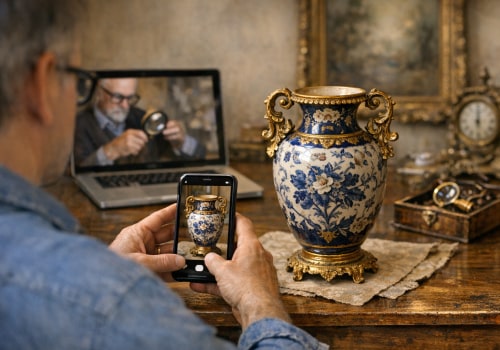
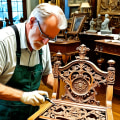
An antique appraisal is a professional evaluation of an item’s value, typically conducted by a certified appraiser who specializes in antiques. This process involves a thorough examination of the item, taking into account its age, condition, provenance, and market demand. Understanding what constitutes an antique is crucial; generally, items over 100 years old are classified as antiques, but this can vary based on the type of object and its historical significance. The primary purpose of antique appraisals is to provide an accurate valuation for various reasons, including insurance coverage, estate planning, or potential sale. An appraisal not only helps owners understand the worth of their possessions but also serves as a critical tool for collectors and dealers in making informed decisions.
By establishing a documented value, appraisals can protect owners against loss or damage and facilitate fair transactions in the marketplace. Moreover, the importance of an antique appraisal extends beyond mere monetary value. It can also enhance the appreciation of historical and cultural significance associated with the item. For collectors, knowing the precise value can influence their investment strategies and help them build a more valuable collection over time. In essence, an antique appraisal is not just about numbers; it’s about recognizing the stories and craftsmanship behind each piece.
Factors Influencing the Duration of Antique Appraisals
When considering antique appraisals, the duration can vary significantly based on several key factors.Understanding these factors can help you set realistic expectations for how long the appraisal process will take.
- Type of Item: The nature of the antique being appraised plays a crucial role in determining the time required. For instance, a simple piece of furniture may take less time to evaluate than a complex artwork or a collection of rare coins. Items with intricate details or historical significance often require more thorough examination.
- Appraiser's Expertise: The experience and specialization of the appraiser can also influence the duration. An appraiser with extensive knowledge in a specific category may be able to assess items more quickly than someone who is less familiar with that type of antique.
Additionally, seasoned appraisers often have established methods that streamline the process.
- Market Conditions: Current market trends can affect appraisal times as well. If an item is in high demand or if there are recent sales data that need to be analyzed, the appraiser may take additional time to ensure an accurate valuation. This is particularly true for antiques that are subject to fluctuating market values.
- Documentation and Research: The availability of documentation, such as provenance or previous appraisals, can expedite the process. Conversely, if an item lacks sufficient records, the appraiser may need to conduct further research, extending the appraisal duration.
Being aware of these elements can help you better prepare for your appraisal experience.
Typical Timeframes for Different Types of Antique Appraisals
When it comes to antique appraisals, the time required can vary significantly based on the type of item being evaluated. Understanding these timeframes can help you set realistic expectations when seeking an appraisal.Furniture Appraisals
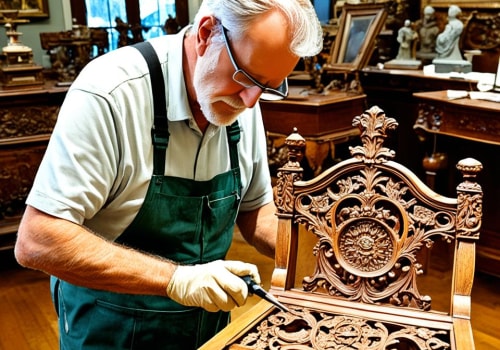
Appraising antique furniture typically takes between 30 minutes to 2 hours. Factors influencing this timeframe include the complexity of the piece, its condition, and the amount of research needed to verify its provenance. For instance, a simple wooden chair may require less time than a detailed Victorian-era dining set.Jewelry Appraisals
Jewelry appraisals can range from 15 minutes to over an hour.The duration largely depends on the type of jewelry, such as whether it includes precious stones or intricate designs. A straightforward gold ring may be appraised quickly, while a vintage necklace with multiple gemstones will take longer due to the need for detailed examination and valuation of each component.
Collectibles and Art
For collectibles, such as coins or stamps, appraisals usually take about 30 minutes to 1 hour. The time can extend if the items are rare or require extensive market research. Similarly, art appraisals can take anywhere from 1 hour to several hours, especially if the artwork has a complicated history or requires authentication.General Guidelines
- Simple Items: 15-30 minutes
- Moderately Complex Items: 30 minutes to 1 hour
- Highly Complex Items: 1-2 hours or more
The Appraisal Process: Step-by-Step Breakdown
The antique appraisal process is a systematic approach that involves several key steps, each contributing to the overall duration of the appraisal.Understanding these steps can help you anticipate how long the entire process may take.
- Initial Consultation: The appraisal begins with an initial consultation, where the appraiser gathers information about the item. This can take anywhere from 15 minutes to an hour, depending on the complexity of the item and the amount of information provided by the owner.
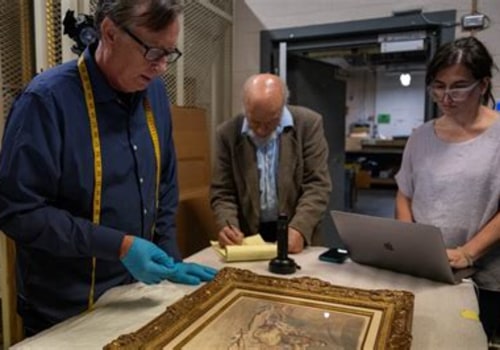
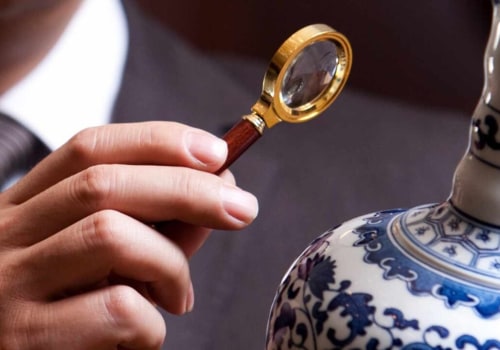
- Examination of the Item: Next, the appraiser conducts a thorough examination of the antique. This step is crucial as it involves assessing the item's condition, authenticity, and provenance. Depending on the item’s intricacy, this can take from 30 minutes to several hours.
- Research and Analysis: After examining the item, the appraiser will conduct research to determine its market value.
This includes comparing similar items, reviewing auction results, and consulting price guides. This step can vary significantly in time, often taking a few hours to several days.
- Report Preparation: Once research is complete, the appraiser prepares a detailed report outlining their findings. This report typically includes photographs, descriptions, and a valuation. Preparing this document can take anywhere from one to three days.
- Final Review and Delivery: Finally, the appraiser reviews the report for accuracy before delivering it to the client.
This final step usually takes a few hours but can extend if revisions are needed based on client feedback.
Common Questions About Antique Appraisal Duration
When considering antique appraisals, many individuals wonder about the time commitment involved. Here are some common questions regarding the duration of these appraisals:- How long does an antique appraisal typically take?
The duration of an antique appraisal can vary significantly based on several factors, including the type and number of items being appraised. Generally, a single item appraisal may take anywhere from 30 minutes to an hour.However, if you have multiple items or a collection, the process could extend to several hours or even days.
- What factors influence the length of an appraisal?
Several elements can affect how long an appraisal takes: - The complexity of the item: Rare or intricate pieces may require more time for thorough evaluation.
- The appraiser's expertise: Experienced appraisers may work more efficiently but may also take their time to ensure accuracy.
- Documentation: If you have prior documentation or provenance for your antiques, it can speed up the process.
- Can I expedite the appraisal process?
Yes, there are ways to potentially shorten the duration: - Prepare in advance by gathering any relevant documents or information about your antiques.
- Choose an appraiser who specializes in your specific type of antique, as they may be able to assess items more quickly.
Tips for a Smooth and Efficient Antique Appraisal Experience
Preparing for an antique appraisal can significantly enhance the efficiency of the process and ensure that you get the most accurate valuation possible. Here are some practical tips to help you navigate your appraisal smoothly:- Research Your Items: Before the appraisal, take some time to gather information about your antiques. Look for any identifying marks, labels, or previous appraisals.
This background knowledge can provide valuable context during the appraisal.
- Organize Documentation: Compile any relevant documents such as purchase receipts, previous appraisals, or provenance records. Having these documents readily available can help the appraiser assess your items more quickly and accurately.
- Clean Your Antiques: While you don’t want to restore or alter your antiques, a gentle cleaning can help present them in their best light. Dusting off items and ensuring they are free from debris can make a positive impression.
- Prepare a List: Create a detailed list of all items you wish to have appraised. Include descriptions, dimensions, and any known history.
This list will help keep the appraisal focused and efficient.
- Be Open to Questions: During the appraisal, be prepared to answer questions about your antiques. The more information you provide, the better the appraiser can understand the context and value of your items.
Conclusion: Key Takeaways on Antique Appraisal Duration
In summary, understanding the duration of antique appraisals is crucial for anyone looking to evaluate their valuable items. The time it takes to complete an appraisal can vary significantly based on several factors, including the type of antique, the appraiser's expertise, and the complexity of the item being evaluated. Typically, a straightforward appraisal may take anywhere from 30 minutes to a few hours.However, for more complex items or larger collections, the process can extend to several days or even weeks. This is particularly true when extensive research is required to determine provenance or market value.
Factors Influencing Appraisal Duration
- Type of Antique: Different categories of antiques, such as furniture, art, or collectibles, may require varying amounts of time for thorough evaluation.
- Research Requirements: Items with unclear histories or those that are rare may necessitate additional research, prolonging the appraisal process.
- Appraiser's Experience: A seasoned appraiser may work more efficiently due to their familiarity with similar items, potentially reducing the time needed.