Antique appraisals are essential evaluations that determine the value of items considered to be of historical, aesthetic, or monetary significance. These appraisals are conducted by professionals who possess a deep understanding of the market trends, craftsmanship, and historical context of various antiques. Whether you own a vintage piece of furniture, a rare painting, or a collection of coins, understanding the value of these items can be crucial for insurance purposes, estate planning, or even selling them at auction. The importance of antique appraisals cannot be overstated. They provide a clear picture of an item's worth, which can fluctuate based on factors such as condition, provenance, and market demand.
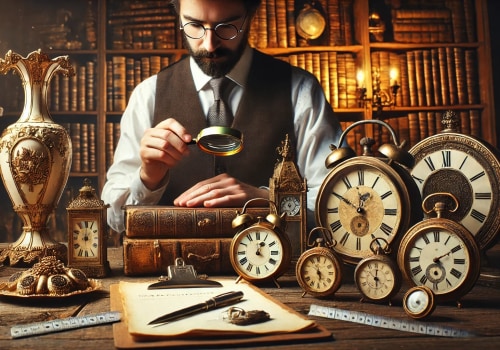
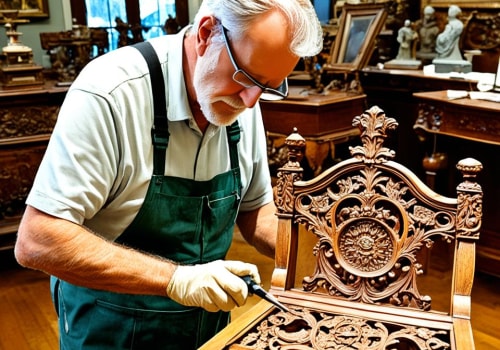
For collectors and enthusiasts alike, having an accurate appraisal can enhance their appreciation for their items and inform their decisions regarding buying or selling. Additionally, appraisals can help protect your investment by ensuring that you have adequate insurance coverage in case of loss or damage. Generally, the process of appraising antiques involves several steps. Initially, the appraiser will conduct a thorough examination of the item to assess its condition and authenticity. This may include checking for maker's marks, materials used, and any signs of restoration.
Following this examination, the appraiser will research comparable sales and market trends to arrive at a fair market value. The final appraisal report will detail the findings and provide a documented valuation that can be used for various purposes.
Types of Antique Appraisal Services
When it comes to antique appraisals, there are several types of services available, each catering to different needs and budgets. Understanding these options can help you make an informed decision about how to value your antiques.Professional Appraisals
Professional appraisals are typically conducted by certified appraisers who have extensive knowledge and experience in the field. These appraisers often belong to recognized organizations, such as the American Society of Appraisers or the International Society of Appraisers.A professional appraisal usually involves a thorough examination of the item, including its condition, provenance, and market trends. This type of appraisal is ideal for those looking to sell their antiques, insure them, or settle an estate.
Free Appraisal Services
For those on a budget, there are free antique appraisal services available. These services may not provide the same level of detail or certification as professional appraisals but can still offer valuable insights. Common free options include:- Online Appraisal Platforms: Websites like WorthPoint and ValueMyStuff allow users to submit images and descriptions of their antiques for preliminary evaluations.
- Local Antique Shows: Many antique fairs and shows feature experts who offer free appraisals during the event.
This is a great opportunity to get a quick assessment.
- Community Workshops: Some local museums or historical societies host workshops where attendees can bring items for informal appraisals by knowledgeable volunteers.
Online Appraisal Services
The rise of technology has also led to the emergence of various online appraisal services. These platforms often provide a mix of free and paid options. Users can upload photos and descriptions of their antiques, receiving feedback from experts or community members. While online services can be convenient, it’s essential to consider the credibility of the platform and the qualifications of those providing the appraisals.In summary, whether you choose a professional appraisal or explore free options, understanding the different types of antique appraisals available will help you determine the best approach for valuing your cherished items.Where to Find Free Antique Appraisal Services
Finding free antique appraisal services can be a rewarding experience for collectors and enthusiasts alike.Here are some valuable resources to help you get started:
- Online Platforms: Numerous websites offer free appraisal services or forums where you can post images of your antiques for feedback. Websites like Antiques.com and Reddit's Antiques subreddit allow users to share their items and receive insights from knowledgeable community members.
- Local Appraisal Events: Many communities host antique appraisal events, often in collaboration with local museums or historical societies. These events typically feature professional appraisers who provide free evaluations during specific hours. Check your local library or community center for announcements about upcoming events.
- University Programs: Some universities with art or history programs may offer free appraisal days as part of their educational outreach.
Students, under the supervision of experienced faculty, can provide insights into the value and history of your antiques.
- Charity Auctions: Local charities often hold fundraising events that include free appraisals as part of their auction services. Participating in these events not only helps a good cause but also gives you access to professional appraisers.
Evaluating the Credibility of Free Appraisal Services
When seeking free antique appraisals, it is crucial to evaluate the credibility of the services offered. Not all free appraisals are created equal, and understanding how to assess their reliability can save you from potential pitfalls.How to Evaluate Appraisal Services
- Research the Appraiser's Background: Look for appraisers with relevant qualifications, such as certifications from recognized organizations like the American Society of Appraisers or the International Society of Appraisers.
Their experience in the field can significantly impact the accuracy of your appraisal.
- Check Reviews and Testimonials: Online reviews can provide insight into the experiences of others who have used the service. Look for consistent positive feedback regarding accuracy and professionalism.
- Ask About Their Methodology: A credible appraiser should be able to explain their process for determining value. They should consider factors such as market trends, condition, and provenance.
Red Flags in Appraisals
- Lack of Credentials: Be wary of appraisers who cannot provide proof of their qualifications or experience. This could indicate a lack of expertise.
- Pressure Tactics: If an appraiser pushes you to sell your item immediately or suggests that their valuation is the only one you need, this is a significant red flag.
- Unrealistic Valuations: If an appraisal seems too good to be true, it probably is.
Be cautious of inflated values that do not align with market standards.
Common Myths About Free Antique Appraisals
When it comes to antique appraisals, there are several myths that can lead to confusion and unrealistic expectations, especially regarding free appraisal services. Understanding these misconceptions is crucial for anyone looking to evaluate their antiques.Myth 1: All Free Appraisals Are Inaccurate
One common belief is that free appraisals lack accuracy or credibility. While it’s true that some free services may not provide the same depth of analysis as paid appraisals, many reputable organizations and professionals offer complimentary evaluations.These can be a great starting point for understanding the value of your items.
Myth 2: Free Appraisals Are Just Marketing Tactics
Another misconception is that free appraisals are merely marketing strategies to attract customers for paid services. While some businesses may use this approach, many appraisers genuinely want to help individuals understand their antiques without any obligation. It’s essential to research the appraiser’s background and reputation to ensure you’re receiving valuable insights.Myth 3: You Can Rely Solely on Free Appraisals
Many people believe that a free appraisal is sufficient for making significant decisions about selling or insuring their antiques. However, while a free appraisal can provide a general idea of value, it often lacks the detailed analysis required for formal purposes.For high-value items, seeking a certified appraiser for a comprehensive evaluation is advisable.
Myth 4: All Appraisers Have the Same Expertise
Not all appraisers specialize in every type of antique. Some may focus on specific categories like furniture, jewelry, or art. Assuming that any appraiser can accurately assess all types of antiques can lead to misinformation. It’s important to find an appraiser with expertise relevant to your specific items. In conclusion, while there are free antique appraisal services available, it’s vital to approach them with a clear understanding of their limitations and potential benefits.By debunking these myths, you can make more informed decisions about your antiques and their value.
Frequently Asked Questions About Antique Appraisals
When it comes to antique appraisals, many individuals have questions and concerns. Here are some frequently asked questions that can help clarify the appraisal process.What is an antique appraisal?
An antique appraisal is an evaluation of an item’s value, typically conducted by a qualified appraiser. This process involves assessing the item’s age, condition, provenance, and market demand.Are there free antique appraisal services available?
Yes, there are several options for obtaining free antique appraisals:- Online Appraisal Services: Some websites offer free online appraisals where you can submit photos and descriptions of your antiques.
- Local Auctions and Estate Sales: Many auction houses provide free appraisal days where experts evaluate items for potential sale.
- Museums and Historical Societies: Some institutions may offer free appraisal events or consultations for specific types of antiques.
How should I prepare for an appraisal?
Preparing for an appraisal can help ensure a smooth process. Here are some tips:- Gather Documentation: Collect any relevant documents such as purchase receipts, previous appraisals, or provenance information.
- Clean the Item: While you shouldn’t restore or alter the item, a gentle cleaning can help present it in the best light.
- Take Clear Photos: If submitting online, provide high-quality images from multiple angles to give the appraiser a comprehensive view.
Conclusion: Making Informed Decisions on Antique Appraisals
In conclusion, understanding the landscape of antique appraisals is crucial for anyone looking to assess the value of their collectibles.Throughout this article, we have explored various avenues for obtaining appraisals, including both free and professional services. Each option has its own set of advantages and limitations that can significantly impact your decision-making process. Free appraisal services can be a great starting point, especially for those who are new to the world of antiques. They often provide a basic understanding of an item's worth without any financial commitment. However, it is essential to recognize that these services may lack the depth and expertise that come with professional appraisals.
For more valuable or rare items, investing in a certified appraiser can yield more accurate and reliable results.
Key Considerations
- Research: Always conduct preliminary research on your antiques before seeking an appraisal. This knowledge can help you ask informed questions and better understand the appraisal process.
- Credentials: When opting for a professional appraisal, ensure that the appraiser has the necessary credentials and experience in the specific type of antiques you possess.
- Documentation: Keep detailed records of your antiques, including any previous appraisals, purchase receipts, and provenance information. This documentation can enhance the appraisal process.