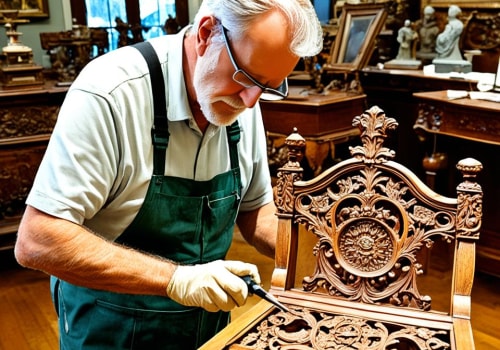
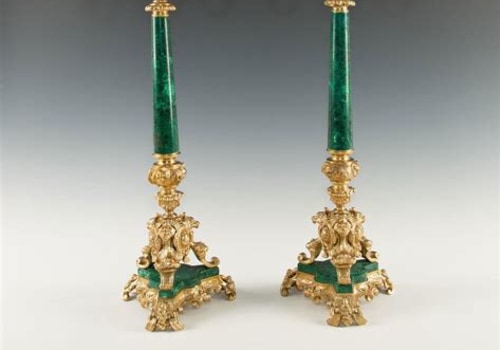
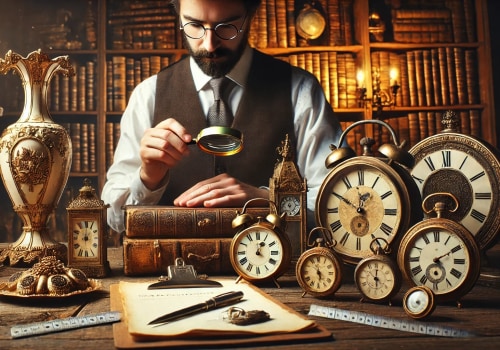
Understanding antique appraisals is essential for anyone interested in the world of collectibles and historical artifacts. These appraisals serve as a formal assessment of an antique's value, taking into account various factors such as age, condition, rarity, and provenance. However, one of the most significant influences on an antique's value is the prevailing market trends. Just as the stock market fluctuates based on economic conditions, consumer demand, and cultural shifts, the market for antiques is equally dynamic. Market trends can dramatically affect how much collectors and enthusiasts are willing to pay for specific items.
For instance, a surge in interest for mid-century modern furniture can lead to increased prices for those pieces, while other styles may fall out of favor, causing their values to decline. This ebb and flow of interest highlights the importance of staying informed about current trends when seeking an appraisal. An antique that was once considered invaluable may see its worth diminish if it no longer resonates with buyers. Moreover, understanding these trends not only aids in accurate appraisals but also empowers sellers and buyers alike to make informed decisions. By recognizing which styles or periods are gaining traction in the market, individuals can better navigate their investments in antiques.
As we delve deeper into this topic, we will explore how specific market indicators influence the valuation process and what collectors should consider when appraising their treasures.
Understanding Antique Appraisals
An antique appraisal is a professional evaluation of an antique item to determine its value based on various criteria. This process is essential for collectors, sellers, and buyers alike, as it provides a clear understanding of what an item is worth in the current market. Appraisals can be conducted for various reasons, including insurance purposes, estate planning, or simply to satisfy curiosity about an item’s worth.The process of appraising antiques typically involves several steps:- Research: The appraiser begins by gathering information about the item, including its history, provenance, and any relevant documentation.
- Condition Assessment: The physical state of the antique is evaluated. Factors such as wear and tear, repairs, and overall condition significantly influence value.
- Market Analysis: The appraiser examines current market trends and comparable sales to gauge how similar items are valued.
- Final Valuation: After considering all factors, the appraiser provides a written report detailing the item's estimated value.
These factors include:
- Rarity: Items that are rare or hard to find often command higher prices.
- Condition: As mentioned earlier, the state of the item plays a significant role in its valuation.
- Provenance: A well-documented history can enhance an item's value, especially if it has connections to notable figures or events.
- Market Demand: Trends in consumer interest can fluctuate; what is popular today may not hold the same value tomorrow.
- Aesthetic Appeal: The design and craftsmanship of an antique can also impact its desirability and value.
The Role of Market Trends in Valuing Antiques
Understanding the role of market trends is crucial for anyone involved in antique appraisals. The value of an antique is not static; it fluctuates based on various market dynamics, including demand, supply, and consumer preferences.Demand and Supply
- Demand: When a particular style or era of antiques becomes popular, the demand for those items increases. For instance, mid-century modern furniture has seen a resurgence in interest, leading to higher prices at auctions and sales.
- Supply: The availability of specific antiques also plays a significant role.
If an item is rare or hard to find, its value can skyrocket, especially if it aligns with current consumer interests.
Consumer Preferences
Shifts in consumer preferences can dramatically affect antique valuation trends. For example, younger collectors may gravitate towards items that reflect sustainability or vintage aesthetics, impacting the desirability of certain antiques. As tastes evolve, so too does the market value of various pieces.
Market Trends Over Time
Antique valuation trends are often cyclical. What was once considered outdated may become fashionable again, leading to increased interest and higher appraisals.
Keeping an eye on these trends can provide valuable insights for collectors and appraisers alike.In conclusion, the interplay between market trends, demand, supply, and consumer preferences is vital in determining the value of antiques. Understanding these factors can help both buyers and sellers navigate the complex world of antique appraisals.
Historical Context: How Past Trends Shape Current Values
Understanding the historical context of the antique market is crucial for grasping how past trends influence current valuations. Over the decades, various factors have shaped the demand and value of antiques, leading to fluctuations that reflect broader economic and cultural shifts. One significant trend in the antique market has been the rise and fall of specific styles and periods. For instance, during the mid-20th century, there was a surge in interest for Art Deco pieces, driven by a cultural fascination with modernity and luxury.This trend not only increased the value of Art Deco items but also set a precedent for how future generations would perceive and appraise similar antiques. Additionally, the vintage market analysis reveals that certain historical events can dramatically impact antique values. The post-World War II era saw a boom in collectibles as soldiers returned home, leading to a renewed interest in items from previous decades. This influx of demand often resulted in inflated prices for antiques that were once considered commonplace.
- Economic Factors: Economic prosperity often correlates with increased spending on antiques, while recessions can lead to decreased values.
- Cultural Shifts: Changes in societal values can elevate or diminish the desirability of certain antiques. For example, items associated with nostalgia or heritage may see a rise in value during times of cultural revival.
- Technological Advances: The advent of online marketplaces has transformed how antiques are bought and sold, affecting their perceived value and accessibility.
By analyzing historical market trends, appraisers can better predict future values and guide collectors in making informed decisions about their investments.
Current Market Trends Impacting Antique Appraisals
In 2023, the landscape of antique appraisals is significantly shaped by evolving market trends that reflect consumer preferences and economic conditions. Understanding these trends is crucial for both buyers and sellers in the antique market.Current Trends in Antiques
One of the most notable trends is the increasing demand for mid-century modern furniture and decor. Items from the 1950s to 1970s are experiencing a resurgence, driven by younger collectors who appreciate their unique design and historical significance. This shift has led to higher appraisals for pieces that were once considered niche.Popular Antiques Today
Additionally, vintage jewelry, particularly pieces from renowned designers, has seen a spike in interest.Collectors are not only looking for aesthetic value but also for investment potential. As a result, appraisers are noting that items with provenance or unique craftsmanship are fetching higher prices at auctions.
Market Analysis 2023
The overall market analysis for 2023 indicates a growing interest in sustainable and eco-friendly products, which extends to antiques. Buyers are increasingly drawn to items that tell a story or have a history, making antique appraisals more complex as they consider not just age but also the narrative behind each piece.Furthermore, the rise of online platforms has transformed how antiques are bought and sold. Virtual auctions and online marketplaces have broadened access to antique items, leading to increased competition and potentially higher appraisals.Appraisers must now account for global demand when determining value.In conclusion, staying informed about these current market trends is essential for anyone involved in antique appraisals. As consumer preferences shift and new generations enter the market, understanding what drives value will be key to making informed decisions in this dynamic field.
The Influence of Online Platforms on Antique Valuation
The rise of online platforms has significantly transformed the landscape of antique appraisals and valuations. With the advent of e-commerce, collectors and sellers now have unprecedented access to a global marketplace, which has both enhanced opportunities and introduced new challenges.Online antique sales
have surged in popularity, allowing individuals to buy and sell items from the comfort of their homes. Websites like eBay, Etsy, and specialized antique marketplaces have made it easier for sellers to reach potential buyers who may not have been accessible through traditional brick-and-mortar shops.This increased visibility can lead to higher selling prices for rare or unique items, as competition among buyers can drive up demand.However, the influx of online sales also means that appraisers must navigate a more complex market. The sheer volume of listings can make it difficult to determine an item's true value.
Digital appraisal tools
have emerged as a solution, providing users with data-driven insights into current market trends and comparable sales. These tools often aggregate information from various online platforms, offering a more comprehensive view of an item's worth.Despite these advancements, there are challenges associated with relying solely on online valuations.The condition of antiques can be difficult to assess through photographs alone, leading to potential discrepancies between listed prices and actual value. Additionally, the proliferation of reproductions and fakes in online marketplaces complicates the appraisal process further.In conclusion, while online platforms have revolutionized the way antiques are bought and sold, they also require a more nuanced approach to antique appraisals. Understanding the dynamics of e-commerce and leveraging digital tools can help both buyers and sellers navigate this evolving landscape effectively.
Expert Insights: Interviews with Antique Appraisers
To gain a deeper understanding of how market trends influence the value of antiques, we reached out to several seasoned antique appraisers. Their insights shed light on the intricate relationship between current market dynamics and antique valuations.Understanding Market Demand
According to Jane Doe, a certified antique appraiser with over 15 years of experience, "The demand for certain types of antiques can fluctuate significantly based on cultural trends and consumer preferences.
For instance, mid-century modern furniture has seen a resurgence in popularity, which directly impacts its market value. Appraisers must stay attuned to these shifts to provide accurate valuations."
The Role of Economic Factors
John Smith, another expert in the field, emphasizes the importance of economic conditions. "During economic downturns, luxury items, including antiques, may see a decline in value as buyers become more cautious. Conversely, in a thriving economy, collectors are more willing to invest in high-quality pieces, driving prices up.
Understanding these economic indicators is crucial for appraisers when determining an antique's worth."
Historical Context and Provenance
Many appraisers also highlight the significance of an antique's history. Emily Johnson notes, "The provenance of an item can greatly enhance its value. If an antique has a compelling backstory or was owned by a notable figure, it can command a higher price regardless of current market trends. This historical context is something we always consider during antique appraisals."
Conclusion
The insights from these professionals illustrate that understanding market trends is essential for accurate antique appraisals.
By considering factors such as demand fluctuations, economic conditions, and historical significance, appraisers can provide more informed valuations that reflect the true worth of antiques in today's market.
FAQs About Market Trends and Antique Appraisals
Understanding the relationship between market trends and antique appraisals can be complex, but it is essential for anyone looking to buy, sell, or evaluate antiques. Here are some frequently asked questions that can help clarify this relationship:What factors influence market trends for antiques?
Market trends for antiques are influenced by various factors, including:- Consumer Demand: The popularity of certain styles or periods can fluctuate, affecting prices.
- Economic Conditions: A strong economy may lead to increased spending on luxury items like antiques.
- Social Media and Online Marketplaces: Platforms like Instagram and eBay can drive interest in specific antiques.
- Historical Events: Significant anniversaries or cultural events can revive interest in particular antiques.
How do appraisers determine the value of an antique?
Appraisers consider several elements when determining the value of an antique, including:- Provenance: The history of ownership can significantly impact value.
- Condition: The physical state of the item is crucial; well-preserved pieces are generally more valuable.
- Market Comparables: Recent sales of similar items provide a benchmark for valuation.
- Rarity: Unique or limited-edition items often command higher prices.
Why should I pay attention to market trends when appraising my antiques?
Staying informed about market trends is vital for several reasons:- Maximizing Value: Understanding current trends can help you time your sale for the best price.
- Avoiding Overvaluation: Being aware of market fluctuations can prevent you from overestimating your antique's worth.
- Navigating Collecting Trends: Knowing what is currently sought after can guide your purchasing decisions.
Conclusion: The Interplay Between Market Trends and Antique Value
In conclusion, the relationship between market trends and the value of antiques is both intricate and essential for anyone involved in antique appraisals. Understanding these trends not only aids appraisers in determining the worth of an item but also empowers collectors and sellers to make informed decisions.Throughout this discussion, we have highlighted several key factors that illustrate how market trends influence antique values:- Consumer Demand: The popularity of certain styles or periods can fluctuate, directly impacting the prices of antiques. For instance, a resurgence in interest for mid-century modern furniture can lead to increased values for those pieces.
- Economic Conditions: Broader economic factors, such as inflation or recession, can affect disposable income and, consequently, the market for antiques.
During prosperous times, collectors may be more willing to invest in high-value items.
- Online Marketplaces: The rise of online platforms has transformed how antiques are bought and sold. This accessibility can create a more dynamic market, where trends can shift rapidly based on global interest.
- Historical Significance: Items with a compelling backstory or connection to significant events often see their values rise as public interest grows.