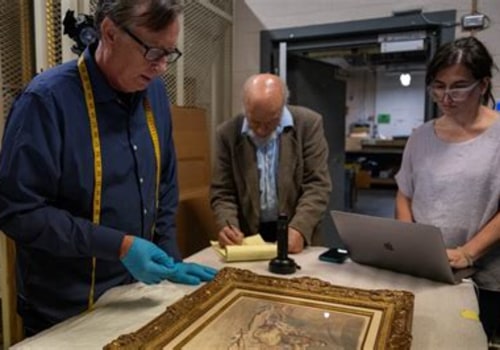
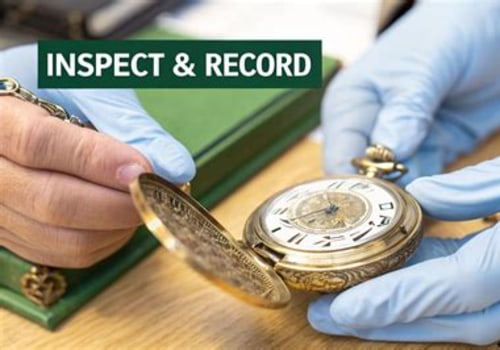
Antique appraisals play a crucial role in the world of collectibles and heirlooms, serving as a bridge between the past and present. Understanding the importance of antique appraisals goes beyond mere curiosity; it is essential for anyone looking to preserve the value of their cherished items. Whether you own a vintage piece of furniture, a rare painting, or family heirlooms passed down through generations, knowing their worth can significantly impact your financial planning and insurance coverage. One of the primary reasons to appraise antiques is to ensure that you have adequate insurance coverage. Many homeowners are unaware that their insurance policies may not fully cover the value of their antiques, especially if they have not been appraised in years.
An accurate appraisal provides documentation that can help you secure proper coverage, protecting your investments against unforeseen events such as theft or damage. Moreover, regular appraisals can reveal fluctuations in market value, which can be beneficial for estate planning or selling purposes. The benefits of appraisals extend to understanding market trends and making informed decisions about when to sell or hold onto your antiques. By staying updated on the value of your items, you can navigate the antique market with confidence, ensuring that your treasures are not only preserved but also appreciated over time.
Factors Influencing Appraisal Frequency
Understanding antique appraisals and their frequency is essential for collectors and owners alike. Several factors can influence how often you should consider getting your antiques appraised.Market Trends
The antique market is dynamic, with values fluctuating based on trends, demand, and economic conditions.If you notice a surge in interest for a particular style or era, it may be wise to have your items appraised more frequently. Regular appraisals can help you stay informed about the current market value of your antiques.
Changes in Condition
The physical condition of your antiques can significantly impact their value. If an item has undergone any changes—such as damage, restoration, or deterioration—it's crucial to get a new appraisal. Even minor alterations can affect the overall worth, making timely evaluations important.Personal Circumstances
Your personal situation can also dictate when to seek an appraisal.For instance:
- If you're planning to sell an antique, obtaining an up-to-date appraisal will help you set a fair price.
- In the event of inheritance or estate planning, having accurate valuations is essential for equitable distribution among heirs.
- Insurance needs may change over time; thus, regular appraisals ensure that your coverage reflects the current value of your collection.
Recommended Frequency for Different Types of Antiques
When it comes to antique appraisals, the frequency of appraisals can vary significantly depending on the type of antique you own. Understanding the recommended timelines for different categories can help you maintain the value of your collection and make informed decisions.Furniture
For antique furniture, it is advisable to get an appraisal every 3 to 5 years. This timeframe allows you to keep track of market trends and any changes in value due to restoration or damage. If you plan to sell or insure your furniture, a more recent appraisal may be necessary.Art
Art pieces, especially those from renowned artists, can fluctuate in value more dramatically.Therefore, it is recommended to have art appraised every 2 to 3 years. Additionally, if there are significant changes in the artist's market or if the piece has been moved or restored, an appraisal should be conducted sooner.
Collectibles
For collectibles such as coins, stamps, or vintage toys, the appraisal frequency can depend on market demand and personal circumstances. Generally, a 5-year interval is suitable for most collectibles. However, if you notice a surge in interest or value in your specific collectible category, consider getting an appraisal sooner.Jewelry
Antique jewelry should be appraised every 2 years, especially if it includes precious metals or stones that may fluctuate in value.Regular appraisals ensure that you are adequately insured and aware of your jewelry's current market worth.In summary, while the general guidelines for antique appraisals provide a solid foundation, individual circumstances and market conditions should also influence how often you seek an appraisal. Keeping abreast of changes in the antique market can help you make timely decisions regarding your valuable items.
Signs That Indicate It's Time for an Appraisal
Understanding when to get an antique appraised is crucial for collectors and enthusiasts alike. There are several key indicators that suggest it may be time to seek a professional appraisal for your antiques.- Significant Damage: If your antique has suffered any form of damage, such as cracks, chips, or fading, it’s essential to get an appraisal. Damage can drastically affect the value of an item, and knowing its current worth can help you make informed decisions about restoration or sale.
- Market Fluctuations: The antique market can be volatile, with values changing based on trends, demand, and economic conditions.
If you notice a shift in the market or hear about similar items selling for higher prices, it may be time to reassess the value of your collection.
- Inheritance or Estate Planning: If you’ve recently inherited antiques or are planning your estate, obtaining appraisals is vital. This ensures that the items are accurately valued for tax purposes and equitable distribution among heirs.
- Insurance Needs: Regular appraisals are important for insurance coverage. If you’ve made significant changes to your collection or acquired new pieces, updating your appraisals ensures that you have adequate coverage in case of loss or damage.
- Changes in Personal Circumstances: Life events such as moving, downsizing, or financial changes can prompt the need for an appraisal. Understanding the value of your antiques can help you make better decisions regarding their future.
Regular appraisals not only provide peace of mind but also enhance your understanding of the market and your collection's worth.
The Role of Market Trends in Antique Valuation
Understanding the impact of market trends on antique valuations is crucial for anyone looking to maintain or grow their investment in antiques. The value of an antique can fluctuate significantly based on current market demands, cultural shifts, and economic conditions. Therefore, regular antique appraisals are essential to ensure that you have an accurate understanding of your items' worth.How Market Trends Affect Antique Value
- Supply and Demand: The basic economic principle of supply and demand plays a significant role in determining the value of antiques. If a particular style or era becomes popular, the demand for those items increases, often leading to higher prices.
- Cultural Influences: Trends in art, design, and even popular media can influence what types of antiques are sought after.
For instance, a resurgence in interest in mid-century modern design can elevate the value of related antiques.
- Economic Conditions: During times of economic prosperity, collectors may be more willing to invest in high-value antiques. Conversely, during economic downturns, the market may see a decrease in demand and value.
Valuation Based on Trends
Antique appraisers often consider current market trends when determining the value of an item. They analyze recent sales data, auction results, and collector interest to provide a comprehensive appraisal.
By staying informed about these trends, you can make better decisions regarding buying, selling, or insuring your antiques.In conclusion, understanding how market trends influence antique valuations is vital for any collector or investor. Regular appraisals not only help you keep track of your investments but also empower you to make informed decisions based on the ever-changing landscape of the antique market.
Common Myths About Antique Appraisals
When it comes to antique appraisals, several myths can cloud the judgment of owners regarding the necessity and frequency of appraisals. Understanding these misconceptions is crucial for making informed decisions about your valuable items.Myth 1: Appraisals Are Only Necessary When Selling
Many believe that antique appraisals are only needed when they plan to sell an item. In reality, regular appraisals can provide valuable insights into the current market value of your antiques, which can change over time due to market trends and demand.Knowing the value can also be essential for insurance purposes or estate planning.
Myth 2: All Appraisers Are Created Equal
Another common misconception is that any appraiser can accurately assess the value of an antique. However, antique valuation requires specialized knowledge and experience. It’s important to seek out certified appraisers who have expertise in the specific type of antique you own, whether it’s furniture, art, or collectibles.Myth 3: Appraisals Are Permanent
Some owners think that once they have an appraisal done, it remains valid indefinitely. This is not true; the value of antiques can fluctuate significantly over time.Therefore, it’s advisable to get your items reappraised every few years or after significant market changes.
Myth 4: Appraisals Are Only for High-Value Items
Many people assume that only high-value antiques need appraisals. However, even lower-value items can benefit from a professional assessment. Understanding the value of all your antiques can help you make better decisions regarding their care, sale, or insurance.By debunking these myths surrounding antique appraisals, owners can better appreciate the importance of regular evaluations and make informed choices about their treasured possessions.FAQs About Antique Appraisals Frequency
When it comes to antique appraisals, many collectors and owners have questions about how often they should seek an appraisal. Here are some frequently asked questions that can help clarify this important aspect.How often should I get my antiques appraised?
Generally, it is recommended to have your antiques appraised every 3 to 5 years.This timeframe allows for changes in market conditions, trends, and the overall value of your items. However, if you have made significant changes to your collection or if there has been a notable shift in the market, it may be wise to seek an appraisal sooner.
What factors influence the frequency of appraisals?
- Market Trends: The antique market can fluctuate based on demand, economic conditions, and collector interest.
- Condition Changes: If your antique has undergone restoration or damage, a new appraisal may be necessary.
- Insurance Needs: If you are updating your insurance policy, an up-to-date appraisal is crucial to ensure adequate coverage.
- Estate Planning: If you are considering passing down your antiques or selling them, having a current appraisal can provide clarity on their value.
Are there specific events that warrant an appraisal?
Yes, certain events may necessitate a new appraisal:- Inheritance: If you inherit antiques, getting them appraised can help determine their value for estate taxes or distribution among heirs.
- Sale or Auction: If you plan to sell your antiques at auction or through a dealer, an updated appraisal can help set realistic expectations for pricing.
- Museum Donations: Donating to a museum often requires a formal appraisal to establish the item's value for tax deductions.
Conclusion: Making Informed Decisions on Antique Appraisals
In conclusion, understanding antique appraisals is crucial for anyone who owns valuable collectibles or heirlooms. Throughout this article, we have explored the various factors that influence the frequency of appraisals, including market trends, changes in condition, and personal circumstances. It is essential to recognize that the value of antiques can fluctuate over time due to several reasons:- Market Demand: The popularity of certain antiques can rise and fall, affecting their market value.
- Condition Changes: An antique's condition can deteriorate or improve, necessitating a new appraisal.
- Legal and Financial Reasons: Situations such as estate planning or insurance requirements may prompt the need for updated appraisals.
This proactive approach not only helps you stay informed about your collection's worth but also aids in making informed decisions regarding sales, insurance, or inheritance. Ultimately, the key takeaway is to remain vigilant and responsive to the evolving landscape of antique values. By doing so, you empower yourself to protect your investments and ensure that your cherished items are accurately represented in terms of their worth. Don’t hesitate to reach out to a qualified appraiser who can provide expert insights tailored to your specific antiques.