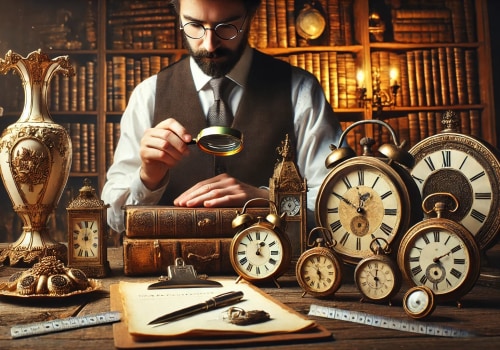
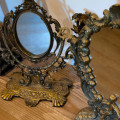
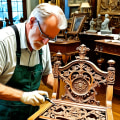
An antique appraisal is a professional evaluation of the value of an item or collection of items that are considered to be antiques, typically over 100 years old. This process involves a thorough examination by a qualified appraiser who assesses various factors such as age, condition, rarity, and market demand. Understanding the definition of antique appraisal is crucial for anyone looking to determine the worth of their cherished possessions, especially when dealing with a large collection. The purpose of an antique appraisal extends beyond mere curiosity; it serves several important functions. For collectors, an appraisal can provide peace of mind regarding the value of their investments.
For those considering selling their items, having a professional appraisal can help set realistic expectations and guide pricing strategies. Additionally, appraisals are often necessary for insurance purposes, estate planning, or even tax assessments. Knowing the true value of your collection can significantly impact financial decisions and future planning. In essence, seeking an antique appraisal is not just about understanding what your items are worth; it’s about gaining insights into their historical significance and market potential. Whether you own a few treasured pieces or an extensive collection, an appraisal can illuminate the story behind each item and its place in the broader context of art and history.
Why You Might Need an Antique Appraisal for a Large Collection
Obtaining an antique appraisal for a large collection of items can serve multiple purposes, each with its own set of benefits.Understanding the value of your collection is crucial, whether for personal knowledge or financial planning.
1.Insurance Purposes
- Having an accurate appraisal helps in securing the right amount of insurance coverage for your collection. This ensures that in the event of theft, damage, or loss, you are adequately compensated.
2.Estate Planning
- For those considering estate planning, an antique appraisal provides clarity on the value of items that may be passed down to heirs. This can help in making informed decisions about distribution and tax implications.
3.Selling Items
- If you plan to sell part or all of your collection, an appraisal can help you set a fair market price. This not only maximizes your potential profit but also builds trust with buyers.
4.Understanding Value
- Even if you have no immediate plans to sell or insure your collection, knowing its value can enhance your appreciation for the items you own.
An appraisal can reveal historical significance and market trends that may surprise you.
5.Tax Considerations
- If you donate items from your collection to a charitable organization, an appraisal may be necessary for tax deductions. Accurate valuations ensure compliance with IRS regulations and maximize your tax benefits.
How to Prepare for an Antique Appraisal
Preparing for an antique appraisal is a crucial step in ensuring that you receive an accurate and fair evaluation of your collection. Here are some essential steps to help you get ready:- Gather Documentation: Collect any relevant documents that can provide context for your items. This may include:
- Purchase receipts or invoices
- Previous appraisals
- Provenance information, such as previous ownership or historical significance
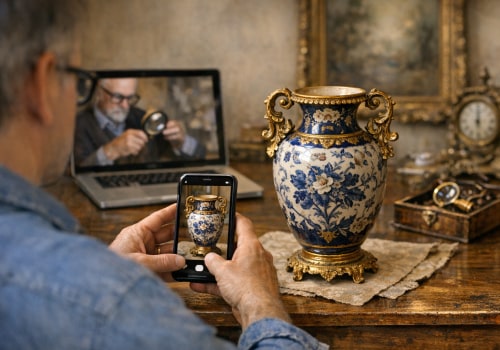
- Photographs of the items, especially if they have been restored or altered
- Organize Your Items: Before the appraisal, take the time to organize your collection.
Group similar items together and ensure they are clean and well-presented. This not only helps the appraiser but also allows you to keep track of what you have.
- Create an Inventory: Make a detailed list of all items you plan to have appraised. Include descriptions, dimensions, and any known history. This inventory will serve as a reference during the appraisal process.
- Know What to Expect: Familiarize yourself with the appraisal process.
Understand that appraisers will assess the condition, authenticity, and market demand for your items. Be prepared to answer questions about your collection and its history.
By following these steps, you can ensure that your antique appraisal experience is efficient and productive, ultimately leading to a better understanding of your collection's value.
Finding a Qualified Appraiser for Your Collection
Finding a qualified appraiser for your antique collection is crucial to ensure you receive an accurate and fair valuation. Here are some steps to help you in your search:- Research Credentials: Look for appraisers who hold recognized credentials, such as those from the American Society of Appraisers (ASA) or the International Society of Appraisers (ISA). These organizations require members to adhere to strict ethical standards and ongoing education.
- Specialization Matters: Choose an appraiser who specializes in the type of antiques you own. Whether it’s furniture, jewelry, or collectibles, a specialist will have a deeper understanding of the market and nuances that affect value.
- Ask for References: A reputable appraiser should be able to provide references from previous clients.
Contact these references to inquire about their experiences and satisfaction with the appraisal process.
- Inquire About Experience: Ask potential appraisers about their experience in the field. How long have they been appraising antiques? Have they worked with collections similar to yours?
- Discuss Fees Upfront: Be clear about the fee structure before engaging an appraiser. Some may charge a flat fee, while others might work on a percentage basis. Understanding this will help you avoid any surprises later on.
- What is your appraisal process?
- Can you provide a written report?
- How do you stay updated on market trends?
Take your time to find someone who is not only qualified but also someone you feel comfortable working with.
The Antique Appraisal Process Explained
Understanding the antique appraisal process is crucial for anyone looking to evaluate a large collection of items. The process typically unfolds in several key steps, ensuring that clients receive a thorough and accurate assessment of their antiques.- Initial Consultation: The first step involves an initial consultation where the appraiser meets with the client to discuss the collection. This meeting allows the appraiser to understand the client's goals, whether for insurance, sale, or personal knowledge.
- Collection Review: During this phase, the appraiser examines each item in the collection. They will look for identifying marks, materials, and overall condition.
This step is critical as it lays the groundwork for determining the value of each piece.
- Research and Analysis: After reviewing the items, the appraiser conducts extensive research. This may include checking auction results, consulting price guides, and comparing similar items. The goal is to gather data that supports the valuation of each antique.
- Valuation: Based on the research and analysis, the appraiser assigns a value to each item. This valuation considers factors such as rarity, demand, and condition.
It’s important to note that values can vary significantly based on market trends.
- Final Report: The last step in the antique appraisal process is compiling a detailed report. This document outlines the findings from the appraisal, including descriptions of each item, their estimated values, and any relevant market information. Clients receive this report for their records and future reference.
Common Myths About Antique Appraisals
When it comes to antique appraisals, several myths and misconceptions can cloud the judgment of potential clients.Understanding the truth behind these myths is essential for anyone considering an appraisal for their collection.
- Myth 1: All appraisers are the same. Many people believe that any appraiser can provide a reliable valuation. In reality, appraisers often specialize in specific types of antiques or collectibles. It's crucial to choose an appraiser with expertise in the particular items you own.
- Myth 2: Appraisals are only for high-value items. While it's true that many seek appraisals for valuable antiques, even lower-value items can benefit from professional evaluation. An appraisal can help you understand the historical significance and market value of your collection, regardless of its monetary worth.
- Myth 3: Appraisals are just educated guesses. Some believe that appraisals are merely subjective opinions.
However, reputable appraisers use established methodologies, market research, and comparable sales data to arrive at a fair value. This process ensures that the appraisal is grounded in factual information.
- Myth 4: You only need one appraisal. Many collectors think a single appraisal is sufficient for all purposes. However, values can fluctuate over time due to market trends and changes in demand. Regular appraisals are advisable, especially if you plan to sell or insure your items.
Understanding the realities of the appraisal process not only helps in valuing your items accurately but also enhances your overall appreciation of antiques.
Frequently Asked Questions About Antique Appraisals
When it comes to antique appraisals, many collectors and enthusiasts have questions. Here are some of the most frequently asked questions regarding the appraisal process:- What is an antique appraisal? An antique appraisal is a professional evaluation of the value of an item or collection based on its age, condition, rarity, and market demand.
- How do I find a qualified appraiser? Look for appraisers who are certified by recognized organizations such as the American Society of Appraisers (ASA) or the International Society of Appraisers (ISA). Check their credentials and experience in the specific type of antiques you own.
- What factors affect the value of my antiques? Several factors can influence the value, including:
- Condition: Items in better condition typically fetch higher prices.
- Provenance: A documented history can significantly increase value.
- Market Trends: Current demand for specific types of antiques can fluctuate.
- Can I get an appraisal for a large collection? Yes, many appraisers specialize in large collections. They may offer a bulk rate or package deal for multiple items, which can be more cost-effective.
- How long does an appraisal take? The duration can vary based on the number of items and their complexity.
A single item may take an hour, while a large collection could require several days.
- Will I receive a written report? Most professional appraisers provide a detailed written report that includes descriptions, photographs, and valuations for each item assessed.
Conclusion: The Value of Professional Antique Appraisals for Collectors
In conclusion, obtaining antique appraisals for a large collection of items is not just a beneficial step; it is an essential one for serious collectors. The insights gained from a professional appraisal can significantly impact your understanding of the collection's worth and its historical significance.Throughout this article, we have explored the various reasons why collectors should seek professional appraisals:- Accurate Valuation: Professionals possess the expertise to provide an accurate market value, which is crucial for insurance purposes, resale, or estate planning.
- Historical Context: Appraisers can offer valuable information about the provenance and historical context of items, enhancing their significance beyond mere monetary value.
- Market Trends: Understanding current market trends through an appraisal can help collectors make informed decisions about buying or selling items in their collection.
- Documentation: A formal appraisal provides documented proof of value, which can be essential for legal matters or tax assessments.
Whether you are considering selling, insuring, or simply wanting to learn more about your antiques, a professional appraisal is an invaluable resource that can guide you on your collecting journey.