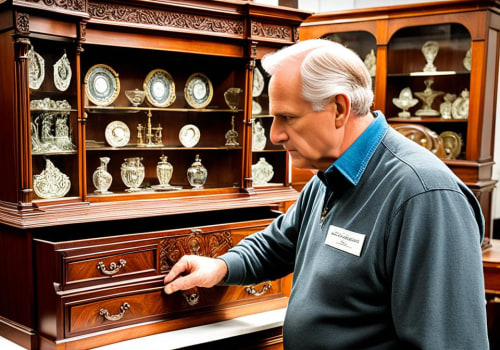
Antique appraisals play a crucial role in the world of collectibles, providing essential insights into the value of items that often carry significant historical and sentimental worth. Whether you are a seasoned collector or a novice enthusiast, understanding the nuances of antique appraisals can help you make informed decisions about buying, selling, or insuring your treasured possessions. The appraisal process not only determines the monetary value of an item but also offers a deeper appreciation of its provenance and craftsmanship. When it comes to antique appraisals, there are two primary methods: written antique appraisals and verbal antique appraisals. Each method has its own set of advantages and considerations, making it essential for individuals to understand the differences between them.
A written appraisal provides a formal document that outlines the item's details, condition, and estimated value, making it an invaluable resource for legal matters, insurance claims, or resale purposes. On the other hand, a verbal appraisal offers a more immediate assessment, often delivered in a casual setting, which can be beneficial for quick evaluations but may lack the comprehensive detail found in written reports. As we delve deeper into the distinctions between these two types of appraisals, it becomes clear that both serve important functions in the antique market. Understanding when to seek a written appraisal versus when a verbal assessment suffices can empower collectors and owners alike to navigate their antique journeys with confidence.
What is an Antique Appraisal?
An antique appraisal is a professional evaluation of an antique item, determining its value based on various factors such as age, condition, rarity, and market demand. This process is essential for collectors, sellers, and buyers alike, as it provides a clear understanding of an item's worth in the current market.The primary purpose of an antique appraisal is to establish a fair market value for the item.This valuation can be crucial for several reasons, including:
- Insurance purposes: Knowing the value of an antique helps in obtaining appropriate insurance coverage.
- Estate planning: Accurate appraisals are vital when distributing assets among heirs.
- Sales transactions: Sellers need to know the value to set a competitive price.
- Tax assessments: Appraisals can be necessary for tax reporting and deductions.
- Written Appraisal: This is a detailed document that includes a comprehensive analysis of the item, photographs, and a formal valuation. Written appraisals are often required for insurance or legal purposes.
- Verbal Appraisal: In this type, the appraiser provides an informal estimate of the item's value based on their expertise. While useful for quick assessments, verbal appraisals lack the documentation needed for formal transactions.
- Online Appraisal: With advancements in technology, some appraisers offer online services where clients can submit images and descriptions of their antiques for evaluation. This method can be convenient but may not provide the same depth as in-person evaluations.
Whether seeking a written or verbal appraisal, it is essential to work with a qualified professional who has experience in valuing antiques to ensure accurate results.
Understanding Written Antique Appraisals
A written antique appraisal is a formal document that provides a detailed evaluation of an antique item, including its condition, provenance, and estimated market value. This type of appraisal is typically conducted by a certified appraiser who specializes in antiques and collectibles. The written report serves as a comprehensive record that can be used for various purposes, such as insurance, estate planning, or resale.Benefits of Written Appraisals
- Documentation: A written appraisal provides a permanent record of the item's value and condition, which is essential for insurance claims or legal matters.
- Credibility: Having a professional appraisal adds credibility to the valuation, especially when dealing with potential buyers or auction houses.
- Detailed Analysis: Written appraisals often include photographs and detailed descriptions, which help in understanding the item's historical significance and market trends.
- Tax Purposes: In cases of inheritance or donation, a written appraisal can be crucial for tax assessments.
The Process of Obtaining a Written Appraisal
The process of obtaining a written antique appraisal generally involves several key steps:
- Initial Consultation: The appraiser will meet with the client to discuss the item and its history.
- Examination: The appraiser will physically inspect the item, looking for signs of authenticity, condition issues, and any unique features that may affect its value.
- Research: The appraiser conducts thorough research on comparable items, market trends, and historical data to determine an accurate value.
- Report Preparation: After gathering all necessary information, the appraiser compiles a detailed report that includes their findings and valuation.
Exploring Verbal Antique Appraisals
A verbal antique appraisal is a process where an appraiser provides an estimate of an antique's value through spoken communication rather than in a formal written report.This type of appraisal is often conducted in informal settings, such as at antique shows, estate sales, or during personal consultations. While it may lack the documentation of a written appraisal, a verbal appraisal can still offer valuable insights into the item's worth.
Benefits of Verbal Appraisals
- Speed and Convenience: Verbal appraisals can be conducted quickly, making them ideal for situations where immediate feedback is needed.
- Cost-Effective: Often, verbal appraisals are less expensive than written ones, as they do not require extensive research or documentation.
- Personal Interaction: Engaging directly with an appraiser allows for immediate questions and clarifications, enhancing the understanding of the item's value.
Process of Verbal Appraisals
The process typically begins with the appraiser examining the antique in question. They will assess various factors such as age, condition, provenance, and market demand. After this evaluation, the appraiser will provide a verbal estimate of the item's value.
It's important to note that while verbal appraisals can be informative, they are generally considered less formal and may not hold up in legal situations or for insurance purposes.In summary, while verbal antique appraisals offer quick and cost-effective insights into an item's value, they should be approached with an understanding of their limitations compared to written appraisals. They are best suited for informal assessments or initial evaluations before pursuing a more detailed written appraisal.
Key Differences Between Written and Verbal Antique Appraisals
When it comes to antique appraisals, understanding the differences between written and verbal appraisals is crucial for collectors, sellers, and buyers alike. Each method has its own advantages and disadvantages, which can significantly impact the appraisal process.Accuracy and Detail
A written antique appraisal typically provides a more detailed and accurate assessment of an item. This type of appraisal includes a comprehensive description, photographs, and often a formal valuation.The appraiser takes the time to research the item thoroughly, considering factors such as provenance, condition, and market trends. In contrast, a verbal antique appraisal is usually less detailed and may rely on the appraiser's immediate impressions. While it can provide a quick estimate, it often lacks the depth needed for serious transactions.
Documentation
One of the most significant differences lies in documentation. A written appraisal serves as a formal document that can be used for insurance purposes, estate planning, or legal matters.It provides a record that can be referenced in the future. On the other hand, a verbal appraisal does not come with any formal documentation, making it less reliable for official purposes.
Cost Considerations
The cost of obtaining an appraisal can also vary significantly between the two types. Written appraisals generally require more time and effort from the appraiser, leading to higher fees. Verbal appraisals are often less expensive and can sometimes be provided for free during events like antique fairs or exhibitions.Usage Scenarios
Choosing between a written and verbal appraisal often depends on the intended use of the appraisal.If you need an appraisal for insurance or legal reasons, a written document is essential. Conversely, if you are simply looking for a quick estimate before making a purchase or sale, a verbal appraisal may suffice.In summary, while both written and verbal antique appraisals serve their purposes, understanding their key differences can help you make informed decisions in your antique dealings.
When to Choose a Written or Verbal Appraisal?
Choosing between a written and verbal antique appraisal depends largely on your specific needs and circumstances. Each type of appraisal serves different purposes and can be more suitable in various situations.When to Choose a Written Appraisal
A written appraisal is often the best choice when you need a formal document for legal, insurance, or resale purposes. Here are some scenarios where a written appraisal is advisable:- Insurance Purposes: If you want to insure your antiques, a written appraisal provides the necessary documentation to establish value.
- Estate Planning: For estate settlements or inheritance issues, a written appraisal can help clarify the value of items for beneficiaries.
- Tax Documentation: When donating antiques or claiming deductions, a written appraisal is often required by tax authorities.
- Legal Disputes: In cases of divorce or litigation, having a formal appraisal can support your claims regarding asset value.
When to Choose a Verbal Appraisal
A verbal appraisal, on the other hand, may be more suitable for informal situations or when you need quick insights.Consider this option in the following cases:
- Quick Estimates: If you need an immediate idea of an item's value without the need for documentation, a verbal appraisal can provide that insight.
- Casual Conversations: When discussing antiques with friends or family, a verbal appraisal can suffice for general knowledge.
- Initial Assessments: If you're just starting to explore the value of your antiques and want to gauge interest before committing to a formal process.
Common FAQs About Antique Appraisals
When it comes to antique appraisals, many individuals have questions about the differences between written and verbal appraisals. Here are some common FAQs that can help clarify these distinctions:- What is a verbal antique appraisal?
A verbal antique appraisal is typically a quick assessment provided by an appraiser during an in-person consultation or over the phone.This type of appraisal offers a general idea of an item's value based on the appraiser's expertise and experience.
- What is a written antique appraisal?
A written antique appraisal is a formal document that includes detailed information about the item, such as its history, condition, and market value. This type of appraisal is often required for insurance purposes, estate planning, or legal matters. - Which type of appraisal is more reliable?
While both types of appraisals can provide valuable insights, a written appraisal is generally considered more reliable due to its comprehensive nature and documentation. It serves as an official record that can be used in various legal and financial situations. - How long does each type of appraisal take?
A verbal appraisal can be completed relatively quickly, often within a few minutes to an hour, depending on the complexity of the item. In contrast, a written appraisal may take several days or even weeks, as it requires thorough research and documentation. - Are there costs associated with each type?
Verbal appraisals are often less expensive or even free, while written appraisals typically come with a fee that reflects the time and expertise involved in creating a detailed report.
Conclusion: Making Informed Decisions on Antique Appraisals
In conclusion, understanding the differences between written and verbal antique appraisals is crucial for anyone looking to make informed decisions regarding their valuable items.Each type of appraisal serves distinct purposes and offers unique advantages.Written appraisals provide a comprehensive analysis of an antique's value, supported by detailed documentation. This format is particularly beneficial for individuals seeking to:
- Obtain insurance coverage for their antiques.
- Sell items at auction or through dealers.
- Establish provenance and authenticity.
- Deciding whether to pursue a formal appraisal.
- Engaging in casual discussions about an item's worth.
By understanding these differences, you can better navigate the world of antique appraisals, ensuring that you make decisions that align with your goals and protect your investments.