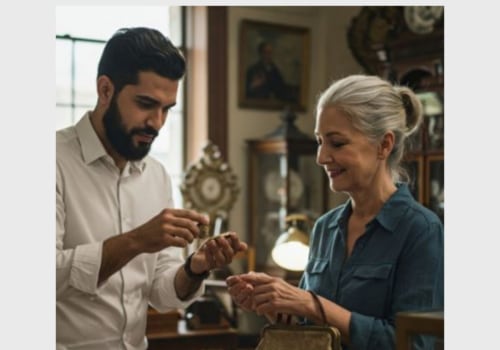
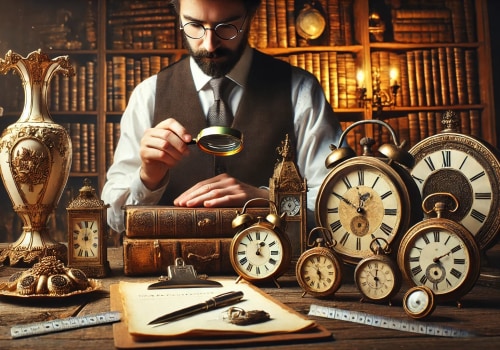
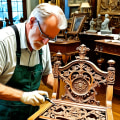
An antique appraisal is a professional evaluation of an item’s value, typically conducted by a certified appraiser who specializes in antiques. This process involves a thorough examination of the item, taking into account its age, condition, provenance, and market demand. Understanding what constitutes an antique is crucial; generally, items that are at least 100 years old qualify as antiques. However, the appraisal process goes beyond mere age; it also considers the craftsmanship, historical significance, and rarity of the piece. The importance of antique appraisals cannot be overstated, especially for items that have been passed down through generations.
These appraisals serve multiple purposes: they can help you determine the fair market value of your heirlooms for insurance purposes, estate planning, or even potential sales. Knowing the value of your antiques can provide peace of mind and ensure that you are adequately covered in case of loss or damage. Moreover, an accurate appraisal can enhance your understanding of your family’s history and heritage. It can reveal fascinating stories behind the items you own and connect you to your ancestors in meaningful ways. Whether you are looking to sell a cherished family heirloom or simply wish to know more about its worth, obtaining an antique appraisal is a vital step in preserving both its financial and sentimental value.
Why You Might Need an Antique Appraisal
Understanding the value of your family heirlooms can be crucial for various reasons.Antique appraisals serve as a valuable tool in several scenarios, ensuring that you are well-informed about the worth of your items.1.Selling Items If you are considering selling an antique piece, obtaining an appraisal can help you set a fair price. An expert appraisal provides a professional opinion on the item's market value, which can enhance your negotiation power and ensure you receive a fair return on your investment.2.Insurance Purposes Another significant reason to seek an antique appraisal is for insurance coverage. Many homeowners' insurance policies require documentation of valuable items to provide adequate coverage. An appraisal not only establishes the value of your antiques but also protects you in case of theft, loss, or damage.3.Estate Planning When planning your estate, knowing the value of your antiques can help in making informed decisions about inheritance and distribution among heirs.
An appraisal can clarify which items hold significant value and may require special consideration during estate planning.4.Tax Purposes If you plan to donate antiques to a charitable organization, an appraisal is often necessary for tax deductions. The IRS requires a qualified appraisal to substantiate the value of donated items, ensuring that you receive the appropriate tax benefits.5.Personal Knowledge Lastly, even if you do not have immediate plans to sell or insure your antiques, understanding their value can enrich your appreciation of family history and heritage. An appraisal can provide insights into the craftsmanship, historical significance, and provenance of your items. In summary, whether for selling, insuring, estate planning, or personal knowledge, antique appraisals offer numerous benefits that can help you make informed decisions regarding your cherished family heirlooms.
How to Find a Qualified Appraiser
Finding a qualified appraiser for your antique can be a daunting task, but it is essential for obtaining an accurate and reliable appraisal. Here are some steps to help you locate the right professional:1.Look for Credentials
When searching for an appraiser, it’s important to check their credentials.Look for professionals who are members of recognized organizations such as the American Society of Appraisers (ASA) or the International Society of Appraisers (ISA). Membership in these organizations often indicates that the appraiser has undergone rigorous training and adheres to a strict code of ethics.
2.Check Experience and Specialization
Not all appraisers specialize in the same types of antiques. It’s crucial to find someone who has experience with the specific type of item you need appraised.For example, if you have a vintage piece of jewelry, seek out an appraiser who specializes in jewelry rather than general antiques.
3.Ask for References
A reputable appraiser should be able to provide references from previous clients. Don’t hesitate to ask for these references and follow up with them to gauge their satisfaction with the appraisal process.4.Prepare Questions
Before meeting with an appraiser, prepare a list of questions to ensure they are the right fit for your needs.Consider asking:
- What is your experience with this type of antique?
- Can you provide a written appraisal report?
- What are your fees and how are they structured?
5.Trust Your Instincts
Your comfort level with an appraiser is vital. If something feels off during your initial consultation, don’t hesitate to seek out another professional. A trustworthy appraiser will be transparent about their process and willing to answer all your questions. By following these steps, you can find a qualified appraiser who will provide you with an accurate assessment of your family heirloom, ensuring that its value is properly recognized and documented.The Appraisal Process Explained
Understanding the antique appraisal process can help you feel more confident as you navigate the evaluation of your family heirloom.The process typically involves several key steps, each designed to ensure a thorough and accurate assessment of your item.
- Initial Consultation: The first step is to schedule an initial consultation with a qualified appraiser. During this meeting, you will discuss the item in question, its history, and any previous appraisals or documentation you may have. This is also a good time to ask questions about the appraiser's qualifications and experience.
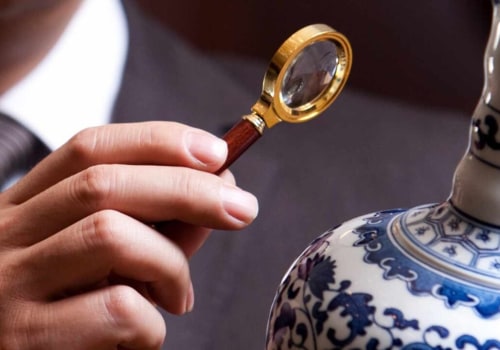
- Examination of the Item: After the consultation, the appraiser will examine your antique in detail. This includes assessing its condition, materials, craftsmanship, and any unique features that may affect its value.
The appraiser may also research similar items to establish a comparative market value.
- Research and Analysis: Following the examination, the appraiser will conduct further research. This may involve looking into historical sales data, auction results, and current market trends related to your specific item. This step is crucial for determining an accurate appraisal value.
- Final Report: Once all information has been gathered and analyzed, the appraiser will compile a final report. This document will detail the findings of the appraisal, including a description of the item, its estimated value, and any relevant market insights.
You can expect to receive this report within a few weeks after the examination.
Common Myths About Antique Appraisals
When it comes to antique appraisals, several myths and misconceptions can cloud the understanding of what these evaluations entail. Debunking these myths is essential for anyone considering an appraisal for a family heirloom or antique item.Myth 1: All Appraisers Are the Same
One common misconception is that all appraisers possess the same level of expertise and knowledge.In reality, antique appraisals can vary significantly based on the appraiser's specialization. Some may focus on furniture, while others might be experts in jewelry or fine art. It’s crucial to choose an appraiser with specific experience related to your item.
Myth 2: Appraisals Are Only for High-Value Items
Another prevalent myth is that only items of substantial monetary value warrant an appraisal. However, antique appraisals can provide valuable insights into the history and significance of items regardless of their market value.Understanding the provenance and craftsmanship of a family heirloom can enhance its sentimental value.
Myth 3: Appraisals Are Always Expensive
Many people believe that obtaining an appraisal is prohibitively expensive. While some appraisers may charge high fees, there are also affordable options available, including local antique shops or community appraisal events. It’s worth researching to find a qualified appraiser who fits your budget.Myth 4: Appraisals Are Just Guesswork
A common misconception is that appraisals are merely educated guesses. In fact, professional appraisers rely on extensive research, market trends, and their own experience to provide accurate evaluations.They consider various factors such as condition, rarity, and demand when determining an item's worth.
Myth 5: An Appraisal Is a Guarantee of Sale Price
Lastly, many individuals mistakenly believe that an appraisal guarantees a specific sale price. While an appraisal provides a fair market value at a given time, actual sale prices can fluctuate based on market conditions and buyer interest. Understanding this distinction is vital for anyone looking to sell their antiques. By dispelling these myths surrounding antique appraisals, individuals can make informed decisions about seeking professional evaluations for their cherished items.What to Expect from Your Antique Appraisal Report
When you receive an antique appraisal report, it serves as a comprehensive document that outlines the value and characteristics of your item. Understanding this report is crucial, especially when dealing with family heirlooms that may hold sentimental as well as monetary value.Key Components of an Antique Appraisal Report
- Description of the Item: This section provides a detailed description, including the age, materials, and any unique features of the antique.
It helps to establish the context and significance of the item.
- Condition Assessment: The appraiser will evaluate the condition of the item, noting any wear, damage, or restoration work. This assessment is vital as it directly impacts the item's value.
- Market Analysis: A thorough appraisal includes a market analysis that compares your item to similar pieces sold recently. This helps in determining a fair market value based on current trends.
- Value Conclusion: The report will conclude with a specific value assigned to your antique, often presented in different contexts such as retail, auction, or insurance values.
Understanding Your Appraisal Report
Interpreting an appraisal report can be straightforward if you know what to look for. Pay attention to the condition assessment, as it can significantly influence the overall valuation.
Additionally, understanding the market analysis can provide insights into how your item fits within current trends and demand.Finally, remember that an appraisal is not static; values can change over time due to market fluctuations. Therefore, it’s wise to keep your appraisal updated, especially if you plan to sell or insure your family heirloom in the future.
Frequently Asked Questions About Antique Appraisals
When it comes to antique appraisals, many individuals have questions about the process, costs, and what to expect. Here are some of the most frequently asked questions regarding antique appraisals:- What is an antique appraisal? An antique appraisal is a professional evaluation of an item's value, typically conducted by a certified appraiser. This process considers factors such as age, condition, rarity, and market demand.
- How do I find a qualified appraiser? Look for appraisers who are members of recognized organizations, such as the American Society of Appraisers or the International Society of Appraisers.
These affiliations often indicate a level of expertise and professionalism.
- What should I expect during the appraisal process? During an appraisal, the appraiser will examine your item closely, asking questions about its history and provenance. They may also conduct research to determine its market value.
- Are there any costs associated with getting an appraisal? Yes, most appraisers charge a fee for their services. This can vary widely based on the appraiser's experience and the complexity of the item being evaluated.
- Can I get an appraisal for items that are not antiques? Yes, many appraisers also evaluate vintage or collectible items that may not meet the strict definition of an antique but still hold significant value.
- How often should I get my antiques appraised? It’s advisable to have your antiques appraised every few years or whenever you plan to sell or insure them. Market values can fluctuate over time.
Conclusion: The Value of Professional Antique Appraisals
In conclusion, obtaining a professional antique appraisal for family heirlooms is not just a matter of curiosity; it is an essential step in understanding the true value of your cherished items.Throughout this article, we have explored the various reasons why appraisals are crucial, particularly for items that hold sentimental value.
Professional appraisers
bring expertise and experience that can significantly impact the assessment of your antiques. They consider factors such as age, condition, provenance, and market demand, which are often overlooked by untrained eyes. By investing in a professional appraisal, you ensure that you receive an accurate valuation that reflects both the historical significance and current market trends.- Preservation of Family Heritage: An appraisal can help you understand how to care for and preserve your family heirlooms, ensuring they remain in good condition for future generations.
- Insurance Purposes: Knowing the value of your antiques is vital for insurance coverage. A professional appraisal provides documentation that can protect your investment.
- Informed Decisions: Whether you plan to sell, donate, or simply keep your antiques, having a clear understanding of their value allows you to make informed decisions.
If you have an item passed down through generations, consider reaching out to a qualified appraiser today. Their insights could reveal stories and values that enrich your understanding of your family's legacy.