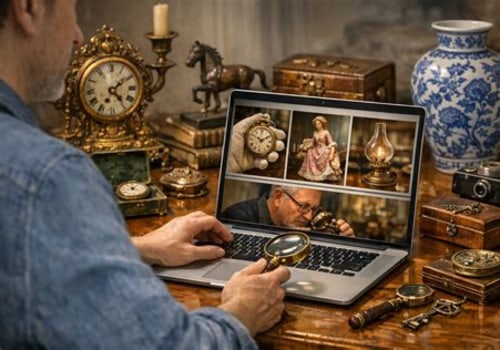
An antique appraisal is a professional evaluation of an antique item to determine its value based on various factors such as age, condition, rarity, and market demand. This process is essential for collectors, sellers, and insurance purposes, as it provides a documented assessment that can be used to establish the worth of an item. Understanding what constitutes an antique is crucial; typically, items over 100 years old are classified as antiques, but this can vary depending on the context and specific market. The antique appraisal process involves a thorough examination of the item by a qualified appraiser who possesses expertise in the relevant field. Appraisers consider several aspects, including provenance (the item's history), craftsmanship, and any unique characteristics that may enhance its value.
They may also compare the item to similar pieces sold in recent auctions or sales to gauge its current market value. This comprehensive evaluation not only helps in determining the financial worth of the antique but also plays a vital role in ensuring that it is adequately insured. Having an accurate appraisal is particularly important for insurance purposes. In the event of loss or damage, an up-to-date appraisal can facilitate claims and ensure that you receive fair compensation. Therefore, understanding the significance of antique appraisals is essential for anyone looking to protect their valuable possessions while also gaining insight into their historical and monetary significance.
Why You Need an Antique Appraisal for Insurance
Obtaining an antique appraisal for insurance purposes is not just a formality; it is a critical step in protecting your valuable possessions.Here are several reasons why securing an appraisal is essential:
- Accurate Valuation: An antique appraisal provides a professional assessment of your item's value, ensuring that you have an accurate figure to report to your insurance company. This valuation reflects the current market conditions and the specific characteristics of your antique.
- Proper Coverage: Without an appraisal, you risk underinsuring your antiques. If a loss occurs, such as theft or damage, you may find that your insurance coverage is insufficient to replace or repair the item. An appraisal helps ensure that you have adequate coverage tailored to the true value of your antiques.
- Risk Management: Having a documented appraisal can aid in risk management strategies.
It allows you to understand the financial implications of potential losses and helps in making informed decisions about how much coverage you need.
- Claims Process: In the unfortunate event of a claim, having an antique appraisal simplifies the process. It provides clear evidence of value, which can expedite claims and reduce disputes with your insurance provider.
- Estate Planning: If you are considering passing down your antiques to heirs, an appraisal can help establish their value for estate planning purposes. This ensures that your loved ones are aware of the worth of these items and can make informed decisions regarding their future.
How to Get an Antique Appraisal
Obtaining an antique appraisal is a crucial step for anyone looking to insure their valuable items.Here’s a step-by-step guide on how to get an antique appraisal, find a qualified appraiser, and understand the appraisal process.
Finding a Qualified Appraiser
The first step in getting an antique appraisal is to find a qualified appraiser. Here are some tips:- Research Credentials: Look for appraisers who are certified by recognized organizations such as the American Society of Appraisers (ASA) or the International Society of Appraisers (ISA).
- Check Experience: Choose an appraiser with experience in the specific type of antiques you own, whether it be furniture, jewelry, or collectibles.
- Read Reviews: Look for online reviews or ask for references to ensure the appraiser has a good reputation.
The Antique Appraisal Process
Once you’ve found a qualified appraiser, you can expect the following steps during the appraisal process:- Initial Consultation: The appraiser will discuss your items and gather information about their history and condition.
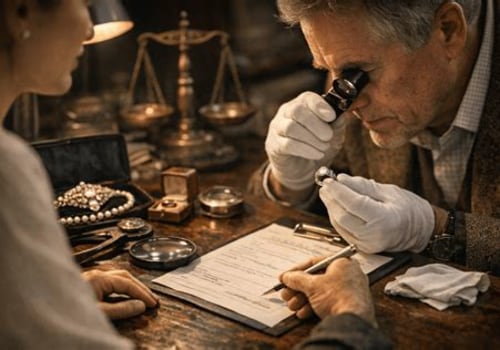
- Examination: The appraiser will physically examine your antiques, assessing their condition, authenticity, and market value.
- Documentation: After the examination, the appraiser will compile a detailed report that includes photographs, descriptions, and valuation.
- Delivery of Appraisal Report: You will receive the final appraisal report, which can be used for insurance purposes or estate planning.
Choosing the Right Appraiser for Your Antiques
When it comes to antique appraisals, selecting the right appraiser is crucial to ensure that you receive an accurate and fair valuation of your items. Here are some key factors to consider when choosing a qualified appraiser:- Credentials: Look for appraisers who hold recognized credentials, such as those from the American Society of Appraisers (ASA) or the International Society of Appraisers (ISA).
These organizations require members to adhere to strict ethical standards and ongoing education.
- Experience: An appraiser with extensive experience in your specific type of antique—be it furniture, jewelry, or art—will have a better understanding of market trends and value determinants.
- Specialization: Ensure that the appraiser specializes in the category of antiques you own. For example, if you have vintage watches, seek out someone with a background in horology.
- References: Ask for references or testimonials from previous clients. A reputable appraiser should be willing to provide this information.
- What is your appraisal process? Understanding their methodology can give you insight into how they determine value.
- Are you insured? A qualified appraiser should carry professional liability insurance to protect both themselves and their clients.
- How do you stay updated on market trends? This will help you gauge their commitment to ongoing education and awareness of the antique market.
What to Expect During the Appraisal Process
When you schedule an antique appraisal, it’s essential to understand what to expect during the process. The appraisal typically begins with a preliminary discussion where the appraiser gathers information about the item, including its history, provenance, and any previous appraisals.Evaluation Methods
- Visual Inspection: The appraiser will conduct a thorough visual examination of the antique, looking for signs of authenticity, condition, and any alterations that may have been made over the years.
- Research: Appraisers often utilize various resources, including auction records, price guides, and databases, to compare your item with similar pieces in the market.
- Documentation: If available, any documentation such as receipts, previous appraisals, or photographs can significantly aid in establishing the item's value.
For larger collections or more intricate pieces, multiple sessions may be necessary.
What Happens During an Appraisal?
During the appraisal, you can expect the appraiser to explain their findings and methodology. They will provide insights into the item's historical context and market trends that may affect its value. After completing the evaluation, you will receive a formal appraisal report detailing the findings and an estimated value for insurance purposes.Overall, being prepared with any relevant information about your antique can help streamline the process and ensure a more accurate appraisal. Understanding these steps will not only set your expectations but also enhance your appreciation of your antique's value in today’s market.
Common Myths About Antique Appraisals
When it comes to antique appraisals, several myths can create confusion and hesitation among potential clients.Understanding the truth behind these misconceptions is crucial for anyone considering an appraisal for insurance purposes.
- Myth 1: All appraisals are the same. Many people believe that any appraisal will suffice for insurance purposes. However, not all appraisals are created equal. A qualified appraiser with experience in antiques will provide a detailed report that meets insurance company standards, ensuring that your items are adequately covered.
- Myth 2: Appraisals are only necessary for high-value items. While it’s true that high-value antiques require appraisals, even lower-value items can benefit from professional evaluation. An accurate appraisal can help you understand the true worth of your collection and protect your investment.
- Myth 3: Appraisals are too expensive. The cost of an appraisal can vary, but many find it a worthwhile investment.
The peace of mind that comes from knowing your antiques are properly valued and insured often outweighs the initial expense.
- Myth 4: You can do it yourself. Some individuals believe they can assess their antiques' value without professional help. While online resources can provide a general idea, they often lack the depth and expertise needed for accurate valuations. A certified appraiser brings knowledge of market trends and specific item details that a layperson may overlook.
- Myth 5: Appraisals are only needed once. Antique values can fluctuate over time due to market changes, condition, and demand. Regular appraisals ensure that your insurance coverage remains adequate and reflects current market conditions.
Seeking a professional appraisal not only provides clarity on value but also ensures that your antiques are safeguarded against unforeseen circumstances.
FAQs About Antique Appraisals for Insurance Purposes
When considering antique appraisals for insurance purposes, many individuals have questions about the process and its implications. Here are some frequently asked questions that can help clarify your concerns:- What is an antique appraisal? An antique appraisal is a professional evaluation of an item's value, typically conducted by a certified appraiser. This assessment is crucial for determining the appropriate insurance coverage for valuable antiques.
- Why do I need an appraisal for insurance? Insurance companies require a formal appraisal to establish the value of your antiques. This ensures that you have adequate coverage in case of loss, theft, or damage.
- How often should I get my antiques appraised? It is advisable to have your antiques appraised every 3 to 5 years, as market values can fluctuate significantly over time.
- Can I use an online appraisal service? While online services can provide a rough estimate, they often lack the accuracy and detail of a professional appraisal.
For insurance purposes, it’s best to consult a certified appraiser.
- What factors affect the value of my antique? The value of an antique can be influenced by several factors, including its age, condition, rarity, provenance, and current market demand.
- Will my insurance cover the full value of my antique? This depends on your policy. Ensure that your insurance covers the appraised value and consider additional riders for high-value items.
Conclusion: The Importance of Antique Appraisals in Protecting Your Assets
In conclusion, obtaining antique appraisals is a crucial step in safeguarding your valuable assets. As we have discussed, these appraisals not only provide a clear understanding of the worth of your antiques but also play a vital role in ensuring that you have adequate insurance coverage. Without a proper appraisal, you risk underinsuring your items, which could lead to significant financial loss in the event of damage or theft.Moreover, having an accurate appraisal can facilitate smoother claims processes with your insurance provider.It serves as documented proof of value, which can be essential when negotiating claims. This documentation can also be beneficial if you decide to sell your antiques in the future, as it provides potential buyers with confidence in the authenticity and value of the items.
- Protect Your Investment: An appraisal helps ensure that your antiques are adequately covered under your insurance policy.
- Facilitate Claims: In case of loss or damage, an appraisal provides necessary documentation to support your claim.
- Enhance Resale Value: A professional appraisal can increase buyer confidence and potentially enhance the resale value of your antiques.