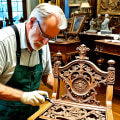
When discussing antique appraisals, one of the most critical factors to consider is the concept of rarity. Rarity refers to how uncommon or scarce an item is within a particular category, and it plays a pivotal role in determining the value of antiques. In essence, the fewer items that exist, the more desirable they become to collectors and enthusiasts. This principle applies not only to individual pieces but also to entire categories of antiques, where certain styles or periods may be less represented in the market. The significance of rarity in antiques cannot be overstated.
For instance, a limited edition piece from a renowned artist or a unique item with a compelling backstory can command much higher prices than more common alternatives. Collectors often seek out rare items not just for their aesthetic appeal but also for their potential as investments. As demand increases for these rare pieces, so does their market value, making rarity a key driver in antique value factors.Moreover, understanding rarity involves recognizing various dimensions, such as age, condition, and provenance. An antique that is both old and in excellent condition will typically be valued higher than one that is damaged or poorly maintained, even if both are rare.
Therefore, when appraisers evaluate antiques, they meticulously assess these elements to provide an accurate valuation. Ultimately, rarity serves as a foundational concept in the world of antiques, influencing not only their market price but also the passion and interest they generate among collectors.
How Rarity Affects Antique Appraisals
When it comes to antique appraisals, the concept of rarity plays a pivotal role in determining an antique's value. Appraisers consider several factors related to rarity, which can significantly influence the final appraisal outcome.Understanding Rarity in Antiques
- Limited Production: Items that were produced in small quantities or as part of a limited edition are often deemed more valuable. For instance, a rare piece of pottery from a renowned artist can fetch a higher price than mass-produced items.
- Historical Significance: Antiques that have a unique story or connection to historical events or figures tend to be more sought after.
This historical context adds layers of value that appraisers take into account.
- Condition and Preservation: The rarity of an item is also assessed in conjunction with its condition. A rare antique in excellent condition will typically command a higher price than one that is damaged or poorly preserved.
This comparative analysis allows them to make informed decisions about the rarity and value of the antique in question.In summary, rarity is not just a number; it encompasses various elements that contribute to an antique's overall worth. Understanding how appraisers evaluate these aspects can provide valuable insights for collectors and sellers alike, ensuring they appreciate the true value of their antiques during the appraisal process.
Types of Rarity in Antiques
When it comes to antique appraisals, understanding the different types of rarity is crucial in determining an antique's value. Rarity can be categorized into several distinct types, each contributing uniquely to the overall worth of an item.Unique Antiques
Unique antiques are one-of-a-kind pieces that stand out due to their singular characteristics or provenance. These items often have a compelling backstory or were created by a renowned artisan.For example, a hand-painted vase by a famous artist may be considered unique due to its distinctive design and limited production. The rarity of such pieces can significantly inflate their market value, making them highly sought after by collectors.
Limited Editions
Another category is limited edition antiques, which are produced in small quantities. These items are often released as part of a special collection or event, making them rare by nature. For instance, a limited edition set of porcelain figurines may only have 100 pieces made, enhancing their desirability among collectors.The scarcity of these items can lead to increased competition and higher prices during antique appraisals.
Historically Significant Antiques
Antiques that hold historical significance also fall into the rarity category. Items associated with important events, figures, or periods can command higher values due to their cultural relevance. For example, a piece of furniture owned by a notable historical figure or an artifact from a significant historical event can be considered rare not just for its age but for its connection to history. In summary, the role of rarity in determining the value of antiques is multifaceted. By understanding the different types of rarity—unique pieces, limited editions, and those with historical significance—collectors and appraisers can better assess an antique's worth in the marketplace.Market Demand and Rarity: A Symbiotic Relationship
The relationship between market demand and rarity is a crucial factor in determining the value of antiques.When an item is rare, it often generates a higher level of interest among collectors and investors, which can drive up its price. However, rarity alone does not guarantee high value; it must be coupled with strong market demand.
Market demand
for antiques can fluctuate based on various factors, including current trends, cultural significance, and the economic climate. For instance, certain periods or styles may become fashionable, leading to increased interest in specific types of antiques. This heightened demand can significantly impact the valuation during antique appraisals.Consider the following points that illustrate the interplay between rarity and market demand:- Historical Significance: Antiques that have a rich history or are associated with notable figures often attract more buyers, enhancing their value.
- Condition and Authenticity: A rare item in excellent condition with verified authenticity will typically command a higher price than a similar piece that is damaged or has questionable provenance.
- Collector Trends: The preferences of collectors can shift over time.
For example, if mid-century modern furniture becomes highly sought after, previously overlooked pieces from that era may see a surge in value due to increased demand.
Case Studies: Rare Antiques and Their Valuations
Understanding the role of rarity in antique appraisals can be greatly enhanced by examining specific case studies. Here are a few notable examples that illustrate how rarity directly influences the value of antiques.1.The Ming Dynasty Vase
One of the most famous cases involves a Ming Dynasty vase that was sold at auction for over $8 million.This vase, dating back to the 15th century, is considered rare due to its limited production and exquisite craftsmanship. The combination of historical significance and scarcity made it a highly sought-after item among collectors, demonstrating how rarity can exponentially increase an antique's value.
2.The 1933 Double Eagle Coin
Another compelling example is the 1933 Double Eagle coin, which was valued at over $7.5 million when it was sold in 2002. Only a few of these coins were ever minted, and most were melted down after the U.S. government ceased their production. The extreme rarity, coupled with its unique history, has made this coin one of the most valuable in the world, showcasing how rarity can drive demand and valuation.3.The Picasso Painting
A more contemporary case is that of a Pablo Picasso painting that fetched $179 million at auction.This piece was not only rare due to its unique style and historical context but also because it was part of a limited collection that had not been publicly displayed for decades. The combination of artistic rarity and provenance significantly contributed to its staggering appraisal value.These case studies highlight that the rarity of an antique is often intertwined with its historical significance, condition, and provenance. Collectors and appraisers alike must consider these factors when determining an antique's value, as they can dramatically influence market demand and pricing.
Common Misconceptions About Rarity and Value
When it comes to antique appraisals, many people hold misconceptions about the relationship between rarity and value. Understanding these myths is crucial for both collectors and sellers to avoid costly mistakes.- Myth 1: All Rare Items Are Valuable
While rarity can enhance an item's value, it is not the sole determinant.An item may be rare but lack demand or historical significance, which can significantly lower its market value. For instance, a limited edition piece that was poorly received at launch may be rare but not necessarily valuable.
- Myth 2: Condition Doesn’t Matter if an Item is Rare
Another common misconception is that the condition of a rare item is irrelevant. In reality, the state of preservation plays a critical role in determining value. A rare antique in poor condition may fetch a lower price than a more common piece that is well-preserved. - Myth 3: Provenance Is Overrated
Some believe that the history of ownership (provenance) does not significantly impact value.However, a well-documented provenance can greatly enhance an item's worth, especially if it ties back to notable figures or events.
- Myth 4: Market Trends Don’t Affect Rarity
Many assume that rarity is static, but market trends can shift perceptions of what is considered rare. An item once deemed common may become highly sought after due to changing tastes or cultural significance.
FAQs About Rarity and Antique Appraisals
Understanding the relationship between rarity and antique appraisals can be complex. Here are some frequently asked questions that can help clarify this important aspect of valuing antiques.- What makes an antique rare?
An antique is considered rare when it is produced in limited quantities, has unique features, or is associated with a significant historical event or figure.Factors such as age, condition, and provenance also contribute to its rarity.
- How does rarity affect the appraisal value?
Rarity often increases an antique's value significantly. Appraisers take into account how many similar items exist and their market demand. A rare piece may fetch a higher price at auction compared to more common items. - Are all rare antiques valuable?
Not necessarily. While rarity is a key factor, other elements such as condition, authenticity, and market trends also play crucial roles in determining an antique's overall value.A rare item in poor condition may not be as valuable as a more common item in excellent condition.
- How can I determine the rarity of my antique?
Research is essential. Consult with experts, check auction results, and review antique price guides. Additionally, attending antique shows or fairs can provide insights into what collectors are currently seeking. - What role does provenance play in rarity?
Provenance refers to the history of ownership of an item. A well-documented provenance can enhance an antique's rarity and value, especially if it connects the piece to notable individuals or events.
Conclusion: The Lasting Impact of Rarity on Antique Value
In conclusion, the role of rarity in determining the value of antiques cannot be overstated.Throughout this article, we have explored how the scarcity of an item significantly influences its market demand and, consequently, its appraisal value. Rarity is not merely a matter of how many items exist; it encompasses various factors such as historical significance, condition, and provenance.When assessing antique appraisals, it is essential to consider the following key points:
- Market Demand: Items that are rare often attract collectors and investors, driving up their value due to heightened interest.
- Historical Context: Antiques that represent unique periods or events in history tend to be more valuable, as their rarity is tied to their significance.
- Condition and Authenticity: Even rare items can lose value if they are not in good condition or lack proper documentation proving their authenticity.
- Provenance: A well-documented history of ownership can enhance an antique's rarity and value, making it more desirable to collectors.