When it comes to understanding the value of your cherished possessions, antique appraisals play a crucial role. An antique appraisal is a professional assessment that determines the monetary value of an item based on various factors, including its age, condition, rarity, and market demand. Whether you are looking to sell, insure, or simply understand the worth of your antiques, obtaining a reliable appraisal is essential. The importance of appraisals cannot be overstated. They provide not only a financial perspective but also historical context about the item in question.
A well-conducted appraisal can reveal fascinating details about an antique's provenance and significance, enriching your appreciation for the piece. Moreover, having a documented appraisal can protect you in case of loss or damage, ensuring that you receive fair compensation. As you navigate the world of antique appraisals, you may wonder if it is advisable to seek multiple appraisals for the same item. This practice can offer valuable insights and help you compare different perspectives on your antique's value. In the following sections, we will explore the process of obtaining multiple appraisals and how to effectively compare them to make informed decisions regarding your antiques.
What is an Antique Appraisal?
An antique appraisal is a professional assessment of the value of an antique item, which can include furniture, art, collectibles, and more.This process is essential for anyone looking to sell, insure, or simply understand the worth of their antiques. Appraisals are conducted by certified appraisers who have expertise in specific types of antiques and market trends.
Types of Antique Appraisals
There are primarily two types of antique appraisals: formal and informal.- Formal Appraisals: These are comprehensive evaluations that follow strict guidelines and are often documented in a written report. They are typically required for insurance purposes, estate planning, or legal matters. A formal appraisal includes detailed descriptions, photographs, and a thorough analysis of the item's condition and provenance.
- Informal Appraisals: These are less structured and may be conducted verbally or through a brief written summary.
Informal appraisals can be useful for quick assessments or when seeking general advice about an item's value. However, they may not hold as much weight in legal or financial situations.
How Appraisals Work
The appraisal process generally involves several key steps:- Initial Consultation: The appraiser meets with the owner to discuss the item and its history.
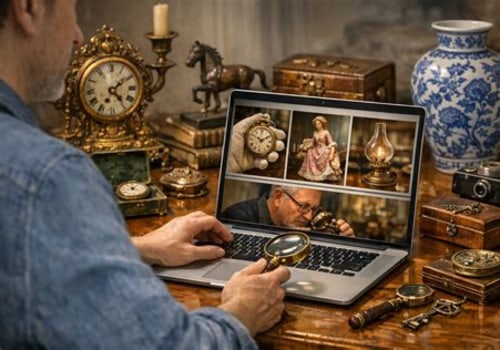
- Research: The appraiser conducts research on the item, including its market value, comparable sales, and historical significance.
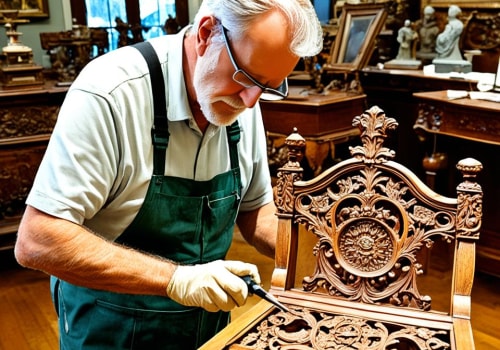
- Evaluation: The appraiser examines the item closely to assess its condition, authenticity, and any unique features that may affect its value.
- Report Generation: For formal appraisals, a detailed report is created that outlines the findings and provides a final valuation.
Reasons to Get Multiple Appraisals
When it comes to antique appraisals, obtaining multiple evaluations can be a wise decision for several reasons. Each appraiser brings their own expertise, experience, and perspective, which can lead to varying assessments of the same item.- Accuracy: Different appraisers may use distinct methods and criteria for evaluating antiques.
By getting multiple appraisals, you can cross-reference the findings and achieve a more accurate understanding of your antique's value.
- Differing Expert Opinions: Each appraiser may have specialized knowledge in different areas. For instance, one might excel in furniture while another specializes in fine art. This diversity can provide a broader view of your antique's worth.
- Potential Value Discrepancies: The market for antiques can fluctuate, and values may vary based on current demand. Multiple appraisals can help you identify any discrepancies and understand the range of potential values.
It allows you to negotiate better by presenting a well-rounded view of its value. If one appraisal is significantly lower than the others, it may warrant further investigation into the reasoning behind that valuation.In summary, seeking multiple antique appraisals not only enhances your understanding of your item's worth but also empowers you with information that can be crucial for selling or insuring your antique effectively.
How to Choose an Appraiser
When seeking antique appraisals, choosing the right appraiser is crucial to ensure you receive accurate and trustworthy evaluations. Here are some key factors to consider when selecting an appraiser:- Qualifications: Look for appraisers who hold professional designations from recognized organizations, such as the American Society of Appraisers (ASA) or the International Society of Appraisers (ISA). These credentials indicate a level of expertise and adherence to ethical standards.
- Experience: An appraiser with extensive experience in your specific type of antique will likely provide a more accurate assessment.
Inquire about their background and how long they have been appraising similar items.
- Specialization: Some appraisers specialize in particular categories, such as furniture, jewelry, or fine art. Ensure that the appraiser you choose has a strong understanding of the specific type of antique you are evaluating.
- Reputation: Research potential appraisers by reading reviews and testimonials. You can also ask for references from previous clients to gauge their satisfaction with the appraiser's services.
- Fees: Understand the fee structure before committing. Some appraisers charge a flat fee, while others may take a percentage of the item's value.
Make sure you are comfortable with their pricing model.
The Process of Getting Multiple Appraisals
Obtaining multiple antique appraisals can provide you with a well-rounded understanding of your item's value. Here are the steps to effectively get multiple appraisals:- Research Appraisers: Start by identifying qualified appraisers in your area or online.
Look for professionals who specialize in the type of antique you own, as their expertise will yield more accurate valuations.
- Check Credentials: Verify the credentials of each appraiser. Look for certifications from recognized organizations such as the American Society of Appraisers (ASA) or the International Society of Appraisers (ISA).
- Prepare Your Antique: Before scheduling an appraisal, ensure your antique is clean and well-presented. Gather any relevant documentation, such as previous appraisals, purchase receipts, or provenance information that can help the appraiser assess its value.
- Request Appraisals: Contact multiple appraisers to request an appraisal. Be clear about what you need and provide them with detailed information about your antique, including its age, condition, and any unique features.
- Schedule Appointments: Arrange for in-person or virtual appointments based on the appraiser's availability.
During these sessions, be prepared to answer questions and provide additional context about your item.
This comprehensive approach will help you make informed decisions regarding your antique.
Comparing Appraisal Results
When you receive multiple antique appraisals, comparing the results can provide valuable insights into the true value of your item. However, understanding how to effectively compare these appraisals is crucial.How to Compare Appraisals
Start by organizing the appraisals side by side. Look for key elements such as:- Appraiser Credentials: Check the qualifications and experience of each appraiser. A certified appraiser may provide a more reliable evaluation.
- Methodology: Understand the methods used by each appraiser.
Some may focus on market trends, while others might emphasize historical significance.
- Condition Assessment: Pay attention to how each appraiser assesses the condition of your antique. Differences in condition grading can lead to significant value discrepancies.
- Market Comparables: Review the comparables used in each appraisal. Are they recent sales of similar items? This can greatly influence the final valuation.
Understanding Appraisal Values
The value assigned to an antique can vary widely based on several factors, including:- Market Demand: The current demand for similar antiques can fluctuate, affecting appraisal values.
- Regional Differences: Appraisers in different locations may have varying perspectives on value based on local market conditions.
- Personal Bias: Each appraiser may have their own biases or preferences that could influence their evaluation.
Discrepancies in Appraisals
If you notice significant discrepancies between appraisals, consider the following:- Communication: Reach out to the appraisers for clarification on their evaluations. They may provide insights that explain the differences.
- Second Opinions: If discrepancies remain unresolved, seeking a third appraisal can help establish a more accurate value.
- Documentation: Ensure that all appraisals are well-documented, as this will aid in understanding and justifying the values assigned.
Common FAQs About Antique Appraisals
When it comes to antique appraisals, many collectors and sellers have questions about the validity and reliability of multiple assessments.Here are some common FAQs that can help clarify these concerns:
Can I get multiple appraisals for the same antique?
Yes, you can obtain multiple appraisals for the same antique. In fact, seeking different opinions can provide a broader perspective on the item's value. Each appraiser may have unique expertise, methodologies, and market insights that can influence their assessment.Why would I want multiple appraisals?
- Diverse Expertise: Different appraisers may specialize in various aspects of antiques, such as age, condition, or historical significance.
- Market Variability: The value of antiques can fluctuate based on market demand; multiple appraisals can help you understand this variability.
- Negotiation Power: Having several appraisals can strengthen your position when negotiating a sale or insurance coverage.
Are all appraisals equally valid?
No, not all appraisals carry the same weight. The validity of an appraisal depends on several factors:- Appraiser Credentials: Ensure that the appraiser is certified and has a good reputation in the field.
- Methodology: A thorough appraisal should include a detailed analysis of the item, including its condition, provenance, and market trends.
- Purpose of Appraisal: Different purposes (e.g., insurance, resale, estate planning) may require different approaches to valuation.
However, it is crucial to choose qualified appraisers and consider their methodologies to ensure you receive accurate and reliable assessments.
Conclusion: Making Informed Decisions with Multiple Appraisals
In conclusion, obtaining multiple appraisals for the same antique is not only a prudent approach but also a necessary step in making informed decisions. Each appraiser may bring a unique perspective, expertise, and methodology to the table, which can significantly influence the valuation of your antique.Here are some key takeaways to consider:- Diverse Expertise: Different appraisers may specialize in various aspects of antiques, such as age, condition, provenance, or market trends. This diversity can provide a more comprehensive understanding of your item's value.
- Market Variability: The antique market can fluctuate based on trends and demand. By comparing appraisals from different sources, you can gauge how these factors might affect your antique's worth.
- Negotiation Power: Having multiple appraisals gives you leverage when negotiating sales or insurance coverage.
You can present a well-rounded case for your antique's value based on varied expert opinions.
- Identifying Outliers: If one appraisal significantly deviates from others, it may warrant further investigation. Understanding why an appraiser valued your item differently can reveal important insights.