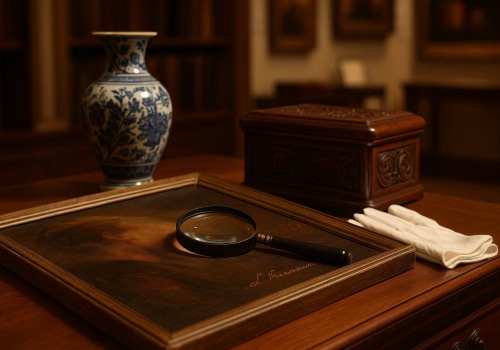
In the world of antiques, understanding the nuances between antique appraisals and antique evaluations is crucial for collectors, sellers, and enthusiasts alike. While both processes aim to assess the value of an antique item, they serve different purposes and are conducted in distinct ways. This section will delve into these differences, providing clarity on why knowing them can significantly impact your dealings in the antiques market.
Antique appraisals
are formal assessments typically conducted by certified professionals who provide a detailed report on an item's value based on various factors such as age, condition, provenance, and market demand. This process is often required for insurance purposes, estate planning, or when selling high-value items.On the other hand, antique evaluations are generally less formal and may involve a quick assessment of an item's worth without the extensive documentation that accompanies an appraisal. Evaluations can be useful for individuals looking to gain a general understanding of their antiques without the need for a comprehensive report. As we explore these concepts further, it becomes evident that both antique appraisals and evaluations play significant roles in the antiques ecosystem. Whether you are a seasoned collector or a novice just starting your journey, grasping the distinctions between these two processes will empower you to make informed decisions regarding your antique possessions.
What is an Antique Appraisal?
An antique appraisal is a professional assessment that determines the monetary value of an antique item. This process is crucial for collectors, sellers, and buyers alike, as it provides a clear understanding of an item's worth based on various factors.Definition of Antique Appraisal
In essence, an antique appraisal involves a thorough examination of an item by a qualified appraiser who specializes in antiques.
The appraiser considers several elements, including the item's age, condition, provenance, and market demand. This comprehensive evaluation results in a formal document that outlines the appraised value.
Purpose of Antique Appraisals
- Insurance Coverage: One of the primary purposes of an antique appraisal is to establish a value for insurance purposes. This ensures that owners can adequately protect their investments against loss or damage.
- Sales Transactions: When selling an antique, having a professional appraisal can help set a fair asking price, making negotiations smoother and more transparent.
- Estate Planning: Antique appraisals are often necessary for estate planning and division among heirs, ensuring that each party receives their fair share based on the item's value.
- Tax Purposes: In some cases, appraisals are required for tax assessments or charitable donations, providing documented proof of an item's worth.
By engaging with a certified appraiser, individuals can gain insights into the historical significance and market trends related to their antiques.
What is an Antique Evaluation?
An antique evaluation is a process that provides a general assessment of an antique item, focusing on its characteristics, condition, and historical significance rather than its monetary value. Unlike an appraisal, which aims to determine the market value of an item, an evaluation serves a broader purpose.Definition of Antique Evaluation
An antique evaluation can be defined as a comprehensive examination of an antique piece that considers various factors such as age, provenance, craftsmanship, and condition. Evaluators often look at the item's historical context and its relevance within a specific category of antiques. This process is typically less formal than an appraisal and may not require the same level of documentation or certification.
Purpose of Antique Evaluations
- Understanding Historical Context: Evaluations help collectors and enthusiasts understand the background and significance of their antiques.
- Condition Assessment: They provide insights into the physical state of the item, which can inform future care or restoration efforts.
- Insurance Considerations: While not as precise as appraisals, evaluations can assist in determining whether an item should be insured and at what level.
- Market Awareness: Evaluations can help owners gauge the general market interest in their antiques without providing a specific value.
An evaluation focuses on understanding the item’s history and condition without assigning a specific market value, making it a valuable tool for collectors and enthusiasts alike.
Key Differences Between Antique Appraisals and Evaluations
When it comes to understanding the world of antiques, distinguishing between antique appraisals and evaluations is crucial for collectors, sellers, and enthusiasts alike. While both processes aim to assess the value of an antique item, they serve different purposes and involve distinct methodologies.Purpose and Use
Antique appraisals are formal assessments conducted by certified professionals. They provide a documented value that can be used for various purposes, such as insurance coverage, estate planning, or legal matters. In contrast, an antique evaluation is often less formal and may be conducted by a knowledgeable individual or a dealer.Evaluations typically offer a general idea of an item's worth without the detailed documentation that accompanies an appraisal.
Documentation and Certification
One of the key differences lies in the level of documentation provided. An appraisal results in a written report that includes detailed descriptions, photographs, and the appraiser's credentials. This report is essential for legal and financial purposes. On the other hand, an evaluation may not include such comprehensive documentation and is often verbal or informal.Methodology
The methodology used in antique appraisals is rigorous and follows established standards within the industry.Appraisers consider factors such as provenance, condition, market trends, and comparable sales to determine value. Evaluations may rely more on personal opinion or market trends without the same level of scrutiny.
Cost Implications
Cost is another significant difference between the two processes.Antique appraisals
typically come with a fee that reflects the expertise and time invested by the appraiser. Evaluations, however, may be offered for free or at a lower cost, especially if conducted by dealers looking to buy items.In summary, while both antique appraisals and evaluations aim to assess value, they differ significantly in purpose, documentation, methodology, and cost.Understanding these differences can help individuals make informed decisions when dealing with their antique collections.
When to Choose an Appraisal vs. an Evaluation
Understanding when to choose an antique appraisal versus an antique evaluation is crucial for anyone looking to assess the value of their antiques. Each serves a distinct purpose and is suited for different situations.When to Get an Antique Appraisal
An antique appraisal is typically required when you need a formal, documented assessment of your item’s value. Here are some scenarios where an appraisal is essential:- Insurance Purposes: If you want to insure your antique, an appraisal provides the necessary documentation to establish its value.
- Estate Planning: When dealing with inheritance or estate settlements, appraisals help determine the fair market value of items.
- Legal Matters: In cases of divorce or litigation, a formal appraisal can serve as evidence in court.
- Sales and Auctions: If you plan to sell your antique at auction or through a dealer, having an appraisal can help you set a realistic price.
When to Get an Antique Evaluation
An antique evaluation, on the other hand, is less formal and often quicker.It’s suitable for situations such as:
- Curiosity: If you simply want to know more about your antique without needing a formal document.
- Initial Assessment: When you’re considering whether to invest in a full appraisal, an evaluation can provide a ballpark figure.
- Informal Sales: If you’re looking to sell your item quickly and don’t require extensive documentation.
The Process of Obtaining an Antique Appraisal
Obtaining an antique appraisal is a crucial step for anyone looking to understand the value of their antiques.The process can seem daunting, but by following a few key steps, you can ensure that you receive a thorough and accurate appraisal.
Steps in the Antique Appraisal Process
- Research Appraisers: Start by researching qualified appraisers in your area. Look for professionals who are certified by recognized organizations such as the American Society of Appraisers or the Appraisers Association of America. Check their credentials and read reviews to gauge their expertise.
- Prepare Your Items: Before the appraisal, gather any relevant documentation, such as purchase receipts, provenance, or previous appraisals. This information can help the appraiser provide a more accurate valuation.
- Schedule an Appointment: Contact your chosen appraiser to schedule an appointment.
Be prepared to discuss the history of your items and any specific concerns you may have regarding their value.
- Attend the Appraisal: During the appraisal, the appraiser will examine your antiques closely. They may consider factors such as age, condition, rarity, and market demand. Take notes during this process to help you remember important details.
- Receive Your Appraisal Report: After the examination, you will receive a written report detailing the appraised value of your items. This document is essential for insurance purposes or if you plan to sell your antiques.
Finding a Qualified Appraiser
When searching for an appraiser, consider asking for recommendations from local antique shops or auction houses.Additionally, online directories can help you find certified appraisers in your area. Always verify their qualifications and experience before making a decision.In summary, obtaining an antique appraisal involves careful research and preparation. By following these steps and finding a qualified appraiser, you can gain valuable insights into the worth of your antiques.
The Process of Obtaining an Antique Evaluation
Obtaining an antique evaluation is a straightforward process that can provide valuable insights into the worth and significance of your antique items. Here’s a step-by-step guide to help you navigate through the evaluation process.- Research Potential Evaluators: Start by looking for qualified antique evaluators in your area.
You can search online directories, visit local antique shops, or consult with museums that may offer evaluation services. Look for professionals who have credentials from recognized appraisal organizations.
- Check Credentials: Ensure that the evaluator has the necessary qualifications and experience. Look for certifications from reputable organizations such as the American Society of Appraisers (ASA) or the International Society of Appraisers (ISA). This will give you confidence in their expertise.
- Schedule an Appointment: Once you’ve identified a potential evaluator, reach out to schedule an appointment.
Be prepared to discuss the items you want evaluated and provide any relevant history or documentation.
- Prepare Your Items: Before the evaluation, clean your antiques gently and ensure they are accessible. If possible, gather any provenance information, such as previous appraisals, purchase receipts, or family history that can add context to the items.
- The Evaluation Meeting: During the meeting, the evaluator will examine your antiques closely. They may ask questions about the item's history, condition, and any repairs it has undergone. This is a crucial part of the process as it helps them determine authenticity and value.
- Receive Your Evaluation Report: After the evaluation, you will typically receive a written report detailing the findings.
This report should include descriptions of each item, its estimated value, and any recommendations for care or preservation.
Common Misconceptions About Antique Appraisals and Evaluations
When it comes to antique appraisals and evaluations, several misconceptions can cloud the understanding of these processes. Addressing these myths is essential for anyone looking to navigate the world of antiques effectively.- Myth 1: Appraisals and evaluations are the same. While both processes assess the value of an antique, they serve different purposes.
An antique appraisal provides a formal valuation for legal or insurance purposes, while an evaluation offers a more general assessment, often without a specific monetary value attached.
- Myth 2: All appraisers are qualified. Not every individual who claims to be an appraiser has the necessary credentials. It’s crucial to seek out certified professionals who have experience and training in the specific type of antiques you own.
- Myth 3: The highest price is always the true value. Many believe that the highest price an item has sold for at auction reflects its true value. However, market conditions, demand, and other factors can significantly influence pricing.
- Myth 4: Antique evaluations are free. While some organizations may offer free evaluations, many reputable appraisers charge a fee for their expertise. This fee often reflects the time and research required to provide an accurate assessment.
Whether seeking an antique appraisal for insurance or an evaluation for personal knowledge, being aware of these myths ensures a smoother process and better outcomes.
Conclusion: Making Informed Decisions on Antiques
In conclusion, understanding the differences between antique appraisals and antique evaluations is crucial for anyone looking to navigate the world of antiques effectively. While both processes aim to provide insights into the value of an item, they serve distinct purposes and are conducted in different ways.Antique appraisals
are formal assessments conducted by certified professionals who provide a detailed report on an item's value based on various factors such as condition, rarity, and market demand. This process is essential for legal matters, insurance purposes, or when considering selling an item. On the other hand, antique evaluations are generally less formal and can be performed by anyone with a basic understanding of antiques.They offer a general idea of an item's worth but lack the depth and authority of a professional appraisal. When making decisions regarding your antiques, consider the following:
- Purpose: Determine whether you need a formal appraisal for legal or financial reasons or if a simple evaluation suffices for personal knowledge.
- Expertise: Seek out qualified appraisers who have credentials and experience in the specific type of antiques you own.
- Documentation: Keep records of any appraisals or evaluations you receive, as these can be valuable for future reference or resale.