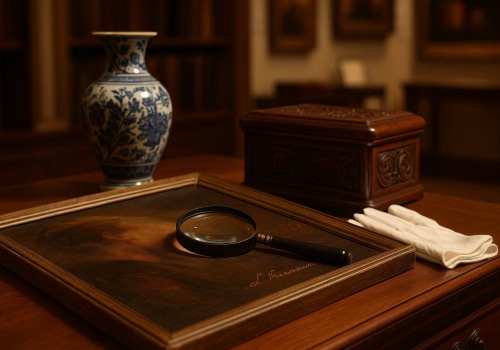
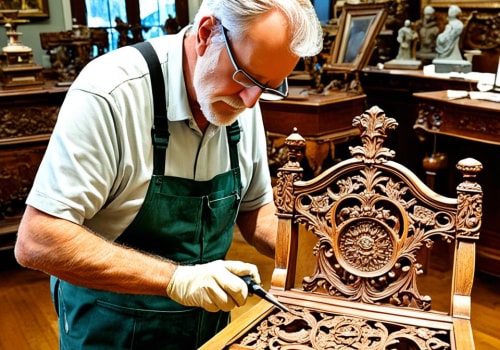
Understanding the importance of antique appraisals is crucial for anyone who owns or is considering purchasing antiques, particularly when it comes to items that are damaged or have undergone restoration. An appraisal serves as a professional assessment of an item's value, taking into account its condition, historical significance, and market demand. This process is not just about assigning a monetary figure; it also provides insights into the item's provenance and authenticity, which are essential for collectors and enthusiasts alike. For damaged or restored items, the appraisal process becomes even more significant. Restorations can affect an antique's value in various ways, either enhancing its worth if done correctly or diminishing it if the work is subpar.
A qualified appraiser will evaluate the quality of the restoration and its impact on the overall value of the piece. This nuanced understanding helps owners make informed decisions about selling, insuring, or further restoring their antiques. Moreover, having a professional appraisal can be invaluable for estate planning, insurance purposes, or even tax assessments. It provides a documented value that can protect owners in case of loss or damage. In a market where the value of antiques can fluctuate significantly based on trends and buyer interest, an accurate appraisal ensures that you are aware of your item's worth and can navigate the complexities of buying or selling with confidence.
What is an Antique Appraisal?
An antique appraisal is a professional evaluation of an item’s value, typically conducted by a certified appraiser who specializes in antiques.This process is essential for collectors, sellers, and buyers alike, as it provides a clear understanding of an item's worth based on various factors such as age, condition, rarity, and market demand.To better understand what an antique appraisal entails, it’s important to recognize the different types of appraisals available:
- Formal Appraisal: This is a comprehensive evaluation that includes detailed documentation and is often used for insurance purposes or legal matters. It typically involves a thorough examination of the item and extensive research.
- Verbal Appraisal: A less formal option where the appraiser provides an estimated value based on their expertise. This type is often quicker and may not include written documentation.
- Online Appraisal: With advancements in technology, some appraisers offer online services where you can submit photos and descriptions of your item for a preliminary assessment.
- Inspection: The appraiser examines the item closely to assess its condition, craftsmanship, and any distinguishing features.
- Research: This includes investigating the item's history, provenance, and comparable sales to determine its market value.
- Documentation: A formal appraisal will culminate in a written report that outlines the findings and provides a valuation.
Can Damaged or Restored Items Be Appraised?
When it comes to antique appraisals, many collectors and owners often wonder if their damaged or restored items can still hold value.The answer is yes, but several factors come into play when determining the worth of such pieces.
Understanding Damage and Restoration
Damage can range from minor wear and tear to significant structural issues. Restoration, on the other hand, involves repairing or refurbishing an item to return it to a condition that is as close to its original state as possible. However, the quality of restoration plays a crucial role in the appraisal process.
- Extent of Damage: The more severe the damage, the more it can affect the item's value. For instance, a piece with minor scratches may still be appraised favorably, while one with missing parts may see a significant drop in value.
- Quality of Restoration: Professional restoration by skilled artisans can enhance an item's value, while poor-quality repairs can detract from it.
Appraisers will closely examine the methods used in restoration.
- Provenance: The history of the item can also influence its appraisal. If an item has a notable background or was owned by a prominent figure, it may retain value despite damage or restoration.
Can You Appraise Restored Antiques?
Yes, restored antiques can be appraised, but it's essential to disclose any restoration work done. Transparency about the condition and repairs allows appraisers to provide a more accurate valuation. They will consider both the original craftsmanship and the quality of any restoration work when determining the final appraisal value.In conclusion, while damaged or restored items can certainly be appraised, their value will depend on various factors including the extent of damage, quality of restoration, and historical significance.
Engaging a qualified appraiser who specializes in antiques is crucial for obtaining an accurate assessment.
Factors Affecting the Value of Damaged or Restored Antiques
When it comes to antique appraisals, the condition of an item plays a crucial role in determining its value, especially for those that are damaged or have undergone restoration. Several key factors influence how appraisers assess these antiques.Condition
The overall condition of the item is perhaps the most significant factor. Antiques that exhibit signs of wear, such as scratches, dents, or missing parts, will generally be valued lower than those in pristine condition. However, minor damage may not drastically reduce value if the piece has historical significance or is highly sought after.Provenance
Another important aspect is the provenance, or history of ownership, of the antique.Items with a well-documented history can retain or even increase their value despite damage. For instance, if an item was owned by a notable figure or has a unique backstory, its appeal may outweigh its physical imperfections.
Quality of Restoration
The quality of any restoration work performed on an antique can also significantly impact its appraisal value. Professional restorations that use appropriate materials and techniques can enhance an item's worth, while poor-quality repairs may detract from it. Appraisers often look for signs of restoration and assess whether it was done sympathetically to the original piece.Market Demand
Finally, market demand plays a vital role in determining value.Trends in collecting can shift, and what may be considered less desirable today could become highly sought after in the future. Therefore, understanding current market conditions is essential for accurate antique appraisals.In summary, when seeking an appraisal for a damaged or restored antique, consider these factors: condition, provenance, quality of restoration, and market demand. Each element contributes to the overall assessment and can significantly influence the final valuation.
Finding a Qualified Appraiser for Your Antique
Finding a qualified appraiser for your antique is crucial, especially if you own a damaged or restored item. A skilled appraiser can provide you with an accurate valuation, taking into account the condition and history of your piece.Here are some steps to help you find the right antique appraiser:- Research Credentials: Look for appraisers who hold recognized credentials, such as those from the American Society of Appraisers (ASA) or the International Society of Appraisers (ISA).
These organizations require members to adhere to strict ethical standards and ongoing education.
- Check Experience: Choose an appraiser with extensive experience in your specific type of antique. For example, if you have a vintage watch, seek someone who specializes in horology.
- Read Reviews: Online reviews and testimonials can provide insight into an appraiser's reputation. Look for feedback on their professionalism, accuracy, and customer service.
- Ask for References: A reputable appraiser should be willing to provide references from previous clients. Contact these references to inquire about their experiences.
- Interview Potential Appraisers: Don’t hesitate to ask questions about their methodology, fees, and how they handle damaged or restored items.
A good appraiser will be transparent about their process.
The Appraisal Process: What to Expect
Understanding the antique appraisal process is crucial for anyone looking to evaluate the worth of their items, especially if they are damaged or restored. Here’s what you can typically expect during an appraisal.Initial Consultation
The process usually begins with an initial consultation.During this meeting, you will discuss the item in question with the appraiser. Be prepared to provide details about its history, any restoration work done, and your reasons for seeking an appraisal.
Examination of the Item
Next, the appraiser will conduct a thorough examination of your antique. This includes:- Visual Inspection: The appraiser will look for identifying marks, materials used, and overall condition.
- Assessment of Damage: If your item is damaged or restored, the appraiser will evaluate how this affects its value.
- Research: They may conduct research on similar items to establish a comparative value.
Documentation and Reporting
After the examination, the appraiser will compile their findings into a detailed report. This report typically includes:- A description of the item
- The appraiser's credentials and experience
- The estimated value based on current market trends
- Any recommendations for care or further restoration if necessary
Final Thoughts
Finally, it’s important to understand that the appraisal process can vary based on the type of item and its condition.Always choose a qualified appraiser who specializes in antiques to ensure you receive an accurate assessment. With this knowledge, you can approach your antique appraisal with confidence.
Common Misconceptions About Antique Appraisals
When it comes to antique appraisals, there are several misconceptions that can lead to confusion for collectors and sellers alike. Understanding these myths is crucial for anyone looking to accurately assess the value of their antiques.- Myth 1: All appraisals are the same. Many believe that any appraisal will yield the same value, but this is far from the truth. Different appraisers may have varying levels of expertise, and their assessments can differ based on their knowledge of specific markets or types of antiques.
- Myth 2: Damage decreases value to zero. While it’s true that damage can significantly affect an item’s worth, it doesn’t necessarily render it worthless.
Many appraisers consider the historical significance and rarity of an item, which can still hold value even if it has been damaged or restored.
- Myth 3: Restoration always lowers value. Some collectors fear that restoring an antique will diminish its value. However, if done correctly by a qualified professional, restoration can enhance an item’s appeal and marketability. Appraisers often take into account the quality of the restoration when determining value.
- Myth 4: Appraisals are only for high-value items. Many people think that only expensive antiques warrant an appraisal. In reality, even lower-value items can benefit from a professional assessment, especially if they hold sentimental value or are part of a larger collection.
FAQs About Antique Appraisals for Damaged or Restored Items
When it comes to antique appraisals, many collectors and owners have specific questions regarding items that are damaged or have undergone restoration.Here are some frequently asked questions that can help clarify the appraisal process for these types of antiques.
Can a damaged antique still be appraised?
Yes, a damaged antique can still be appraised. However, the extent of the damage will significantly affect its value. Appraisers will consider factors such as:- The type and extent of the damage
- The rarity and demand for the item
- Previous sales of similar items in damaged condition
How does restoration impact an antique's value?
Restoration can both positively and negatively impact an antique's value. If done correctly by a skilled professional, restoration can enhance the item’s appeal and potentially increase its market value.However, poor restoration can lead to a decrease in value. Key considerations include:
- The quality of the restoration work
- The materials used in the restoration
- The item’s original features and integrity
What should I disclose to an appraiser?
When seeking an appraisal for a damaged or restored item, it’s crucial to disclose:- The full history of the item, including any previous damage or repairs
- Any documentation related to past appraisals or restorations
- Your expectations regarding the appraisal process
Conclusion: The Value of Professional Appraisal for Your Antiques
In conclusion, obtaining a professional antique appraisal for your damaged or restored items is not just beneficial; it is essential. As we have discussed, the condition of an antique plays a significant role in its overall value. A qualified appraiser can provide insights that go beyond mere aesthetics, taking into account historical significance, market trends, and the nuances of restoration work.When considering an appraisal, keep in mind the following key points:- Expertise Matters: Professional appraisers possess specialized knowledge that can help you understand the true worth of your antiques, especially those that have been damaged or restored.
- Documentation: A formal appraisal provides essential documentation that can be crucial for insurance purposes, estate planning, or resale.
- Market Insights: Appraisers are often well-versed in current market conditions and can offer advice on whether to sell now or hold onto your item for potential future appreciation.
Not all repairs enhance value; some may even detract from it. An appraiser can guide you on the best course of action to preserve the integrity and value of your antique.Ultimately, whether your item is damaged or has undergone restoration, a professional appraisal is a wise investment. It not only clarifies the current market value but also helps you appreciate the historical and sentimental significance of your antiques. By engaging with a qualified appraiser, you ensure that you are making informed choices that respect both the item and its legacy.