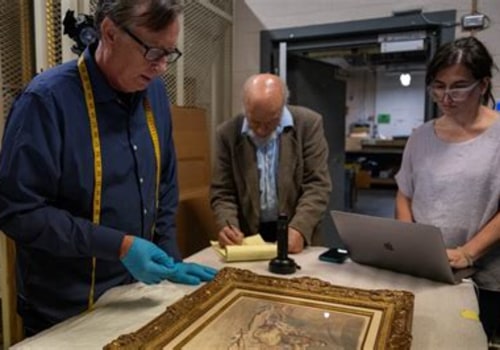
When it comes to antique appraisals, one of the most critical factors that experts consider is the historical significance of the item in question. Historical significance refers to the importance of an object in relation to its past, including its cultural, social, or political context. This aspect not only enriches the narrative surrounding the antique but also plays a pivotal role in determining its overall value. An item with a compelling backstory or connection to significant events or figures can command a much higher price than similar pieces lacking such context. For instance, an antique piece that once belonged to a prominent historical figure or was part of a significant event can be viewed as a tangible link to history.
Collectors and enthusiasts often seek out these items not just for their aesthetic appeal but for the stories they tell. This intrinsic value derived from historical significance can elevate an antique's worth far beyond its material composition or craftsmanship. Moreover, understanding the historical context of an antique can also aid appraisers in making informed evaluations. They delve into provenance, which traces the ownership history of an item, and assess how its past influences current market demand. As such, the role of historical significance in antique appraisals is not merely academic; it has real-world implications for collectors and sellers alike, shaping both perception and price in the marketplace.
Defining Historical Significance in Antiques
In the realm of antique appraisals, understanding historical significance is crucial for both collectors and appraisers.But what exactly does historical significance mean? At its core, it refers to the importance of an item in relation to historical events, cultural movements, or notable figures. This significance can elevate an antique from a mere object to a valuable piece of history.When defining historical significance, several factors come into play:
- Provenance: The documented history of an item, including its previous owners and the context in which it was created, can greatly enhance its value. Items with a well-documented lineage often command higher prices.
- Cultural Impact: Antiques that played a role in significant cultural or social movements tend to be more valuable. For instance, items associated with major historical events or influential figures can attract collectors' interest.
- Rarity: The scarcity of an item can also contribute to its historical significance.
Unique pieces or those produced in limited quantities are often more sought after.
- Condition: While not directly related to historical significance, the condition of an antique can affect its perceived value. Well-preserved items that retain their original features are generally more desirable.
In essence, the historical context of an antique not only enhances its story but also plays a pivotal role in its overall worth.
Factors Influencing Historical Significance
Understanding the historical significance of an antique is crucial for accurate antique appraisals. Several factors contribute to this significance, each playing a vital role in determining the value of an item.- Provenance: The history of ownership, or provenance, is one of the most critical factors. An item with a well-documented history, especially if it belonged to a notable figure or was part of a significant event, can greatly enhance its value. Collectors and appraisers often seek out items with a clear lineage.
- Age: The age of an antique is another essential factor.
Generally, older items are considered more valuable, particularly if they are rare or represent a specific period in history. However, age alone does not guarantee value; the item's condition and rarity also play significant roles.
- Cultural Context: The cultural background of an antique can influence its historical significance. Items that reflect the social, political, or economic conditions of their time can be particularly valuable. For instance, artifacts from significant historical movements or periods can carry additional weight in appraisals.
- Rarity: The rarity of an item can significantly impact its historical significance.
Limited production runs or unique pieces often command higher prices due to their scarcity. Appraisers consider how many similar items exist and their availability in the market.
- Condition: The physical state of an antique also affects its historical significance. Items that have been well-preserved or restored may retain more value than those that are damaged or heavily worn. However, excessive restoration can sometimes detract from an item's authenticity.
How Historical Significance Affects Antique Value
The historical significance of an antique plays a crucial role in determining its value during antique appraisals.Items that are linked to notable events, figures, or periods often command higher prices due to their unique stories and cultural relevance. For instance, an antique piece that belonged to a famous historical figure or was part of a significant event can be valued much higher than similar items without such connections.When appraisers evaluate antiques, they consider several factors related to historical significance:
- Provenance: The documented history of an item, including previous ownership and its journey through time, can greatly enhance its value. Provenance provides context and authenticity, making the piece more desirable.
- Rarity: Antiques that are rare or one-of-a-kind often have a higher value. Items that represent a specific time period or style that is no longer produced can attract collectors willing to pay a premium.
- Cultural Impact: Antiques that have influenced art, design, or social movements carry additional weight in their appraisal.
For example, furniture from the Arts and Crafts movement not only reflects a style but also embodies a philosophy that resonates with collectors.
Case Studies: Notable Antiques and Their Historical Significance
Understanding the historical significance of antiques is crucial in the appraisal process, as it often directly correlates with their market value.Here are a few notable case studies that illustrate how history can elevate the worth of an antique.
1.The Gutenberg Bible
One of the most famous examples is the Gutenberg Bible, printed in the 15th century. As one of the first major books printed using movable type, its historical importance is immense. In 1987, a copy sold for over $5 million at auction, highlighting how its rarity and historical context significantly enhance its value.2.The Declaration of Independence
Another remarkable case is the original handwritten copy of the Declaration of Independence. This document not only represents a pivotal moment in American history but also carries immense cultural significance.In 2000, one such copy was sold for $8.1 million, demonstrating how historical documents can command astronomical prices due to their provenance and impact on society.
3.The Ming Dynasty Vase
A Ming Dynasty vase, particularly those from the early 15th century, can fetch millions at auction due to their exquisite craftsmanship and historical context. In 2010, a vase sold for $53 million, making it one of the most expensive vases ever sold. Its value is not just in its beauty but also in its representation of a significant era in Chinese history.4.The Tiffany Blue Book
The Tiffany Blue Book, published in 1845, is another example where historical significance plays a key role in valuation. This book not only showcases Tiffany's early designs but also marks a turning point in American jewelry design.Copies of this book have been appraised at several thousand dollars due to their rarity and cultural importance.These examples illustrate that the historical significance of an antique can dramatically influence its appraised value. Collectors and appraisers alike must consider not only the physical attributes of an item but also its story and place in history when determining worth.
The Role of Appraisers in Evaluating Historical Significance
When it comes to antique appraisals, the role of professional appraisers is crucial in determining the historical significance of an item. Appraisers are trained to evaluate not just the physical attributes of an antique, but also its background and context within history. This multifaceted approach allows them to assign a value that reflects both the item’s aesthetic appeal and its historical importance.Understanding Historical Context
- Appraisers begin by researching the provenance of the antique, which includes its origin, ownership history, and any notable events associated with it.
- They consider the cultural and social factors that may have influenced the creation of the item, such as the time period, geographical location, and prevailing artistic movements.
Evaluating Rarity and Demand
- The rarity of an antique plays a significant role in its historical significance.
Appraisers assess how many similar items exist and their availability in the market.
- They also evaluate current demand for specific types of antiques, which can fluctuate based on trends in collecting and interest in particular historical periods.
Condition and Authenticity
- The condition of an antique is another critical factor. Appraisers examine wear and tear, restoration efforts, and overall integrity to determine how these aspects affect historical value.
- Authenticity is paramount; appraisers utilize various techniques to verify that an item is genuine and not a reproduction, as this significantly impacts its valuation.
Common Misconceptions About Historical Significance in Antiques
When it comes to antique appraisals, many people hold misconceptions about the role of historical significance in determining an antique's value. Understanding these myths can help collectors and sellers make informed decisions.- Myth 1: All antiques with historical significance are valuable. While historical significance can enhance an antique's value, it is not the sole factor.
Condition, rarity, and demand also play crucial roles. An item may have a fascinating history but could be in poor condition or overly common, which diminishes its market value.
- Myth 2: Age alone determines value. Many believe that the older an item is, the more valuable it becomes. However, age must be coupled with other factors such as craftsmanship and provenance. A well-preserved piece from a less significant period may be worth more than a damaged item from a historically important era.
- Myth 3: Historical significance is universally recognized. What is considered historically significant can vary greatly among different cultures and collectors.
An item that holds great importance in one context may not resonate the same way in another, affecting its perceived value.
- Myth 4: Provenance is irrelevant. Some people underestimate the importance of provenance, or the history of ownership of an antique. Provenance can significantly impact value, especially if the item was owned by a notable figure or has documented historical relevance.
Conclusion: The Lasting Impact of History on Antique Appraisals
In conclusion, the historical significance of an antique plays a pivotal role in determining its value during antique appraisals. Throughout this article, we have explored how the stories, events, and cultural contexts surrounding an item can elevate its worth far beyond mere aesthetics or craftsmanship.Understanding the historical context of an antique not only enriches its narrative but also enhances its appeal to collectors and investors alike.Items associated with significant historical figures, events, or movements often command higher prices due to their unique provenance. For instance, a piece of furniture owned by a notable personality or an artifact from a pivotal moment in history can be seen as a tangible connection to the past.
- Provenance: The documented history of ownership can significantly impact an antique's value.
- Cultural Relevance: Antiques that reflect important cultural shifts or artistic movements are often more sought after.
- Rarity: Items that are rare due to their historical context tend to appreciate in value over time.
By appreciating the stories behind each piece, appraisers can provide more accurate valuations and help buyers make informed decisions. As we move forward in the world of antiques, let us remember that every item carries a piece of history waiting to be uncovered and cherished.