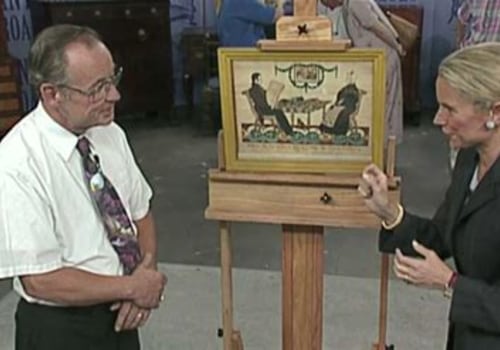
An antique appraisal is a professional assessment that determines the value of an antique item based on various factors such as age, condition, rarity, and market demand. This process is crucial for collectors, sellers, and buyers alike, as it provides a clear understanding of an item's worth in the current market. Whether you own a family heirloom or have stumbled upon a hidden treasure at a garage sale, knowing the value of your antique can significantly influence your decisions regarding its sale or preservation. The importance of antique appraisals cannot be overstated. For collectors, an accurate appraisal can enhance their collection's credibility and help in making informed purchasing decisions.
For sellers, it ensures that they receive a fair price when parting with their cherished items. Additionally, appraisals are often necessary for insurance purposes, estate planning, or even tax assessments. Without a proper appraisal, individuals may undervalue or overvalue their antiques, leading to potential financial loss. In essence, an antique appraisal serves as a bridge between the past and present, allowing individuals to appreciate the historical significance of their items while also understanding their monetary value. As we delve deeper into the process of obtaining an antique appraisal, it becomes clear that this step is not just about numbers; it's about recognizing the stories and craftsmanship behind each piece.
Why Get an Antique Appraisal?
Obtaining an antique appraisal can be a crucial step for various reasons, each serving a unique purpose in the management and understanding of valuable items.Here are some of the primary motivations for seeking an appraisal:
- Insurance Purposes: One of the most common reasons for getting an antique appraisal is to establish a proper insurance value. Insuring antiques at their correct value ensures that you are adequately covered in case of theft, loss, or damage. An appraisal provides documented proof of the item's worth, which can be essential when negotiating with insurance companies.
- Estate Planning: For individuals looking to pass down their collections or valuable items, an antique appraisal is vital in estate planning. Knowing the value of antiques can help in making informed decisions about inheritance, ensuring that assets are distributed fairly among heirs.
- Selling Antiques: If you are considering selling your antiques, obtaining an appraisal can help you set a realistic price.
An expert appraisal not only provides a valuation but also offers insights into market trends and demand, which can significantly influence your selling strategy.
- Tax Purposes: In some cases, appraisals are necessary for tax assessments, especially if you plan to donate antiques to charitable organizations. A qualified appraisal can help determine the fair market value of the items, which is essential for tax deductions.
Types of Antique Appraisals
When seeking antique appraisals, it’s essential to understand the different types available, as each serves distinct purposes and audiences. The two primary categories of appraisals are formal and informal.Formal Appraisals
A formal appraisal is typically conducted by a certified appraiser who adheres to industry standards.This type of appraisal is often required for legal matters, insurance purposes, or estate planning. The process usually involves a thorough examination of the item, including its condition, provenance, and market trends. The appraiser will provide a detailed report that includes:
- Description of the item
- Market analysis and comparable sales data
- Photographic documentation
- Value estimate based on current market conditions
Informal Appraisals
In contrast, an informal appraisal may be conducted by a knowledgeable friend, family member, or even a local antique dealer. While this method can provide a quick estimate of an item's value, it lacks the rigor and documentation of a formal appraisal.Informal appraisals are often used for personal knowledge or casual sales but may not hold up in legal situations.
Different Appraisal Methods
The methods used in antique appraisals can vary significantly based on the type of appraisal being conducted. Common methods include:- Comparative Market Analysis: This involves comparing the item to similar pieces that have recently sold.
- Cost Approach: This method estimates the value based on the cost to replace or restore the item.
- Income Approach: Primarily used for investment-grade antiques, this method evaluates potential income generation from the item.
How to Prepare for an Antique Appraisal
Preparing for an antique appraisal is crucial to ensure you receive an accurate evaluation of your item. Here are some practical tips to help you get ready:- Gather Documentation: Collect any relevant documents that can provide context about your antique.
This may include previous appraisals, purchase receipts, or provenance records that trace the item's history.
- Research the Item: Understanding the background of your antique can significantly enhance the appraisal process. Look into its maker, age, and any unique features that may affect its value.
- Clean the Item: While you should avoid over-cleaning, a gentle dusting can help present your antique in the best light. Ensure it is free from dirt and debris, as this can impact the appraiser's first impression.
- Know What to Bring: When attending the appraisal, bring all gathered documentation along with the item itself. If possible, include photographs that showcase different angles and details of the piece.
- Prepare Questions: Think about what you want to learn from the appraisal.
Prepare a list of questions regarding the item's history, condition, and market value to make the most of your time with the appraiser.
Finding a Qualified Antique Appraiser
Finding a qualified antique appraiser is crucial for obtaining an accurate valuation of your items. Here are some steps to help you in your search:- Research Credentials: Look for appraisers who hold recognized credentials, such as those from the American Society of Appraisers (ASA) or the International Society of Appraisers (ISA). These organizations require members to adhere to strict ethical standards and ongoing education.
- Check Experience: Consider the appraiser's experience in the specific type of antiques you own.
For instance, if you have vintage jewelry, seek someone who specializes in that area.
- Read Reviews: Look for online reviews or testimonials from previous clients. Websites like Yelp or Google Reviews can provide insights into the appraiser's reputation and reliability.
- What is your appraisal process? Understanding their methodology will give you insight into how they determine value.
- Can you provide references? A reputable appraiser should be able to provide references from past clients or other professionals in the field.
- What are your fees? Clarifying their fee structure upfront can help avoid any surprises later on.
The Appraisal Process Explained
Understanding the antique appraisal process can help you navigate the complexities of valuing your treasured items. Here’s a step-by-step breakdown of what to expect during an appraisal.- Initial Consultation: The process begins with an initial consultation, where you meet with a qualified appraiser. This meeting is crucial for discussing the items you wish to have appraised, their history, and any specific concerns you may have.
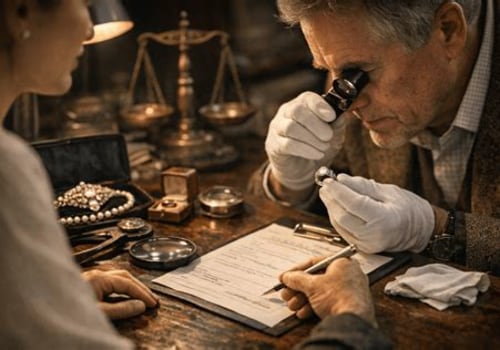
- Item Examination: During the examination, the appraiser will closely inspect each item.
They will look for identifying marks, materials, craftsmanship, and overall condition. This step is essential as it helps determine the authenticity and potential value of the antiques.
- Research and Analysis: After the examination, the appraiser conducts thorough research. This may involve comparing your items to similar pieces in auction records, galleries, or databases. The goal is to gather data that supports the valuation.
- Valuation Report: Once the research is complete, the appraiser compiles a detailed valuation report.
This document outlines the findings from the examination and research phases, providing a clear rationale for the estimated value of each item.
- Delivery of Report: Finally, you will receive the appraisal report. This document not only states the value but may also include recommendations for care or sale options if you choose to proceed with selling your antiques.
What to Expect After the Appraisal
After your antique appraisal is completed, you will receive a detailed appraisal report. This document is crucial as it outlines the findings of the appraiser, including the estimated value of your antique item, its condition, and any relevant historical context.Receiving the Appraisal Report
The appraisal report typically includes:- Description of the Item: A thorough description that may include age, maker, materials, and any distinguishing features.
- Market Analysis: Insights into current market trends and comparable sales that justify the appraised value.
- Condition Assessment: An evaluation of the item's physical state, which can significantly impact its value.
- Photographic Documentation: Images of the item to support the appraisal findings.
Interpreting Your Appraisal Results
Understanding your appraisal report is essential for making informed decisions about your antique.Pay close attention to the estimated value provided; this figure can guide you in various scenarios, such as selling, insuring, or donating your item. If you plan to sell your antique, consider how the appraised value aligns with current market conditions.
Next Steps After Appraisal
Once you have reviewed your appraisal report, you may want to:- Insurance: Use the appraised value to obtain appropriate insurance coverage for your antique.
- Selling: If you decide to sell, consult with auction houses or dealers who can help you maximize your return based on the appraisal.
- Estate Planning: Incorporate the appraisal into your estate planning documents to ensure accurate valuation for heirs.
Common FAQs About Antique Appraisals
When it comes to antique appraisals, many individuals have questions about the process, costs, and what to expect. Here are some of the most common FAQs regarding antique appraisals:- What is an antique appraisal?
An antique appraisal is a professional evaluation of an item’s value based on its age, condition, rarity, and market demand.This process helps owners understand the worth of their antiques for purposes such as selling, insurance, or estate planning.
- How do I find a qualified appraiser?
To find a qualified appraiser, look for professionals who are certified by recognized organizations such as the American Society of Appraisers (ASA) or the International Society of Appraisers (ISA). It’s important to check their credentials and experience in the specific type of antiques you own. - What factors influence the value of my antique?
The value of an antique can be influenced by several factors including:- Age: Older items may have more historical significance.
- Condition: Items in excellent condition typically fetch higher prices.
- Provenance: A documented history can enhance value.
- Market Trends: Current demand for specific types of antiques can fluctuate.
- How much does an appraisal cost?
The cost of an appraisal can vary widely depending on the appraiser’s experience and the complexity of the item. Generally, fees can range from $50 to several hundred dollars per hour. Some appraisers may also charge a flat fee for specific items. - Can I get a verbal appraisal?
While verbal appraisals can provide a quick estimate, they are not as reliable as written appraisals.For legal or insurance purposes, a formal written appraisal is recommended.
Conclusion: The Importance of Professional Antique Appraisals
In conclusion, obtaining professional antique appraisals is a crucial step for anyone looking to understand the true value of their antiques. Throughout this article, we have explored the various aspects of the appraisal process, emphasizing the significance of expertise and accuracy in determining an item's worth.One of the primary reasons to seek a professional appraisal is to ensure that you receive a fair and accurate valuation.Antique appraisals
conducted by certified experts not only provide insight into the market value but also consider factors such as provenance, condition, and rarity. This comprehensive evaluation can be invaluable for:- Insurance purposes: Knowing the accurate value of your antiques helps in securing appropriate insurance coverage, protecting your investment against potential loss or damage.
- Estate planning: For those managing estates, professional appraisals can facilitate equitable distribution among heirs and assist in tax planning.
- Sales and auctions: If you plan to sell your antiques, having a professional appraisal can enhance your negotiating position and attract serious buyers.
They are equipped with the knowledge of current market trends and historical data that can significantly impact an item's value. This expertise is essential not just for valuation but also for understanding the broader context of your antiques within the market.Ultimately, investing in a professional antique appraisal is not just about knowing how much your items are worth; it’s about making informed decisions regarding your collection. Whether for personal knowledge, financial planning, or future sales, a professional appraisal provides peace of mind and clarity in an often complex market.