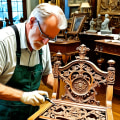
Antique appraisals are essential evaluations that determine the value of items based on their age, condition, rarity, and market demand. These appraisals are conducted by professionals who possess specialized knowledge in antiques and collectibles. Understanding what an antique appraisal entails is crucial for anyone looking to buy, sell, or insure valuable items. An accurate appraisal not only provides a fair market value but also helps in making informed decisions regarding the preservation and sale of antiques. The importance of antique appraisals cannot be overstated.
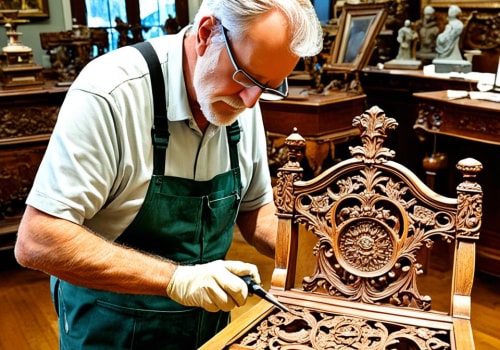
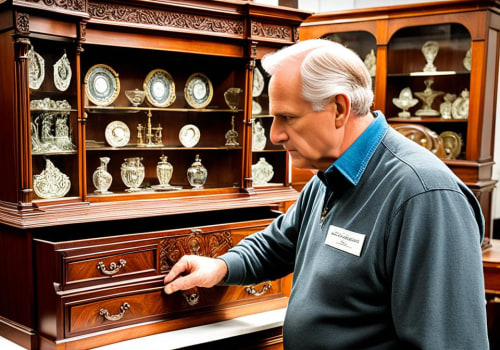
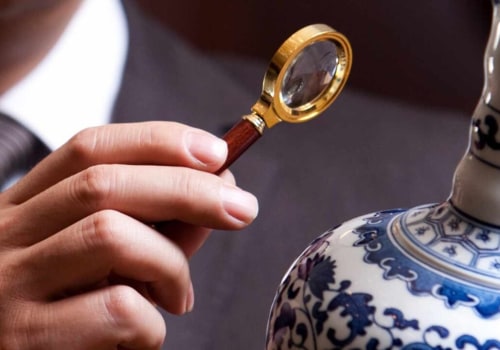
They serve multiple purposes, from establishing a baseline for insurance coverage to aiding in estate planning and tax assessments. Moreover, a well-documented appraisal can enhance the credibility of an antique when presented to potential buyers or auction houses. This makes it imperative for individuals to seek reputable appraisers who adhere to industry standards and ethics. Understanding how antique appraisals work is equally vital. Typically, the process involves a thorough examination of the item, including its provenance, craftsmanship, and any historical significance.
Appraisers may also conduct market research to compare similar items and assess current trends. This comprehensive approach ensures that the appraisal reflects not just the item's intrinsic value but also its potential worth in the marketplace. As you delve deeper into the world of antique appraisals, it becomes increasingly clear why protecting oneself from scams is essential. With the rise of online marketplaces and unregulated appraisers, knowing how to identify trustworthy professionals is key to safeguarding your investments.
Common Scams in Antique Appraisals
When seeking antique appraisals, it’s crucial to be aware of the various scams that can undermine your trust and financial security. Understanding these scams can help you protect yourself and ensure you receive a fair evaluation of your antiques.Types of Antique Appraisal Scams
- Fake Appraisers: Some individuals may claim to be certified appraisers without any legitimate credentials.
They often charge high fees for dubious evaluations.
- Overvaluation Scams: Unscrupulous appraisers may inflate the value of an item to justify their fees or to persuade you to sell it at a higher price.
- Lowball Offers: Conversely, some appraisers might undervalue your antiques, aiming to buy them at a bargain price.
- Online Scams: With the rise of online appraisals, many scams have emerged where individuals offer appraisals based solely on photographs, often leading to inaccurate assessments.
How to Identify Appraisal Scams
Recognizing the signs of a scam can save you from potential losses. Here are some tips:- Check Credentials: Always verify the appraiser’s qualifications. Look for certifications from recognized organizations such as the American Society of Appraisers (ASA) or the International Society of Appraisers (ISA).
- Get Multiple Opinions: If an appraisal seems suspicious, seek additional evaluations from other professionals to compare values.
- Avoid Upfront Fees: Be wary of appraisers who demand large upfront fees before providing any service.
Red Flags in Antique Appraisals
Several warning signs can indicate a potential scam:- Lack of Transparency: If an appraiser is unwilling to explain their methodology or provide a written report, consider it a red flag.
- Pushing for Quick Sales: Be cautious if an appraiser pressures you to sell your items immediately after the appraisal.
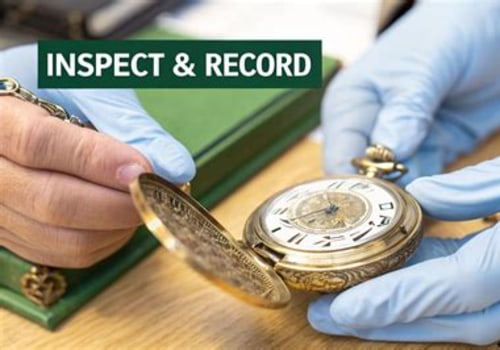
- No Written Documentation: Legitimate appraisals should always come with detailed documentation outlining the appraisal process and findings.
How to Choose a Reputable Appraiser
Choosing a reputable appraiser is crucial to ensure that you receive an accurate and fair antique appraisal. Here are some key steps to help you find a qualified antique appraiser:- Research Credentials: Look for appraisers who hold recognized credentials, such as those from the American Society of Appraisers (ASA) or the International Society of Appraisers (ISA).
These organizations require members to adhere to strict ethical standards and ongoing education.
- Experience Matters: Seek out appraisers with extensive experience in the specific type of antiques you own. For example, if you have vintage jewelry, find someone who specializes in that area.
- Check Reviews and References: Look for online reviews or ask for references from previous clients. A reputable appraiser should have positive feedback and be willing to provide testimonials.
- What are your qualifications? Inquire about their education, training, and any relevant certifications.
- How do you determine the value of an item? Understanding their appraisal process can give you insight into their expertise and methodology.
- What are your fees? Be clear about their pricing structure. Some appraisers charge by the hour, while others may have a flat fee or percentage-based pricing.
- Can you provide a written report? A professional appraisal should include a detailed written report outlining the findings and valuation.
Verifying Appraisal Credentials and Experience
When seeking antique appraisals, verifying the credentials and experience of an appraiser is essential to ensure you receive a fair and accurate evaluation.Here are some steps to help you confirm their legitimacy:
- Check Professional Associations: Many reputable appraisers are members of professional organizations such as the American Society of Appraisers (ASA), the Appraisers Association of America (AAA), or the International Society of Appraisers (ISA). Membership in these organizations often requires adherence to strict ethical standards and ongoing education.
- Request Credentials: Don’t hesitate to ask for the appraiser’s qualifications. Look for certifications, degrees, or specialized training in antique appraisal. A qualified appraiser should be able to provide documentation that supports their expertise.
- Experience Matters: Inquire about the appraiser’s experience in the field.
How long have they been appraising antiques? What types of antiques do they specialize in? An appraiser with extensive experience in your specific area of interest is more likely to provide a reliable appraisal.
- Read Reviews and Testimonials: Look for online reviews or testimonials from previous clients. Websites like Yelp, Google Reviews, or even social media platforms can provide insights into the appraiser’s reputation and reliability.
- Ask for References: A reputable appraiser should be willing to provide references from past clients. Contacting these references can give you a better understanding of their work ethic and professionalism.
Understanding Appraisal Fees and Pricing Structures
When seeking antique appraisals, understanding the various appraisal fees and pricing structures is crucial to avoid scams and ensure you receive a fair evaluation.Appraisal costs can vary significantly based on several factors, including the appraiser's experience, the type of antique, and the complexity of the appraisal.
Common Fee Structures
- Hourly Rate: Many appraisers charge by the hour, with rates typically ranging from $50 to $300 per hour. This structure is common for complex items requiring extensive research.
- Flat Fee: Some appraisers offer a flat fee for specific types of items or services. This can be beneficial for straightforward appraisals, as it provides clarity on costs upfront.
- Percentage of Value: In certain cases, appraisers may charge a percentage of the item's appraised value, usually between 1% and 5%. This method can lead to inflated valuations if not monitored closely.
Requesting a written estimate can help you compare costs and avoid unexpected charges. Additionally, be wary of appraisers who offer significantly lower fees than their competitors; this could indicate a lack of experience or potential scams.
Typical Costs of Appraisals
The typical cost for an antique appraisal can range from $100 to $500, depending on the factors mentioned above. For example, a simple appraisal of a piece of furniture may cost around $150, while a more intricate evaluation of fine art could exceed $500. Always ensure that the appraiser provides a detailed report justifying their valuation, which can also serve as protection against overcharging.In conclusion, understanding appraisal fees and pricing structures is vital when seeking antique appraisals.By being informed about common practices and asking the right questions, you can protect yourself from scams and ensure that you receive a fair and accurate appraisal for your antiques.
Protecting Yourself During the Appraisal Process
When seeking antique appraisals, it’s crucial to take steps to protect yourself from potential scams. Here are some practical tips to ensure a safe and secure appraisal process:- Research the Appraiser: Before scheduling an appointment, conduct thorough research on the appraiser. Look for credentials such as membership in professional organizations like the American Society of Appraisers or the Appraisers Association of America. Check online reviews and ask for references to gauge their reputation.
- Request a Written Estimate: Always ask for a written estimate of the appraisal fee before the appointment.
This should include details about how the fee is calculated and any additional costs that may arise. A reputable appraiser will provide this information upfront.
- Be Present During the Appraisal: If possible, be present during the appraisal process. This allows you to ask questions and gain insights into how the appraiser determines value. It also helps prevent any miscommunication regarding your items.
- Document Everything: Keep a record of all communications, including emails, phone calls, and any documents exchanged.
This documentation can be invaluable if disputes arise later.
- Avoid High-Pressure Tactics: Be wary of appraisers who pressure you into making quick decisions or suggest immediate sales. A trustworthy appraiser will give you time to consider your options without rushing you.
What to Do If You Suspect a Scam
If you suspect that you have encountered a scam during an antique appraisal, it is crucial to act swiftly and decisively. Here are the steps you should take:1.Gather Evidence
Start by collecting all relevant documentation related to the appraisal.This includes:
- Receipts or invoices
- Correspondence with the appraiser
- Photographs of the antique in question
- Any promotional materials or advertisements from the appraiser
2.Report the Scam
Once you have gathered your evidence, report the scam to the appropriate authorities. This may include:- Your local consumer protection agency
- The Better Business Bureau (BBB)
- The Federal Trade Commission (FTC)
- Your state attorney general's office
3.Contact Your Bank or Credit Card Company
If you made a payment to the appraiser, contact your bank or credit card company immediately. They may be able to assist you in disputing the charge or recovering your funds.4.Seek Legal Advice
If you believe you have been a victim of appraisal fraud, consider consulting with a lawyer who specializes in consumer protection or fraud cases. They can help you understand your legal options, which may include:- Pursuing a civil lawsuit against the appraiser
- Seeking restitution for any financial losses incurred
- Exploring class action lawsuits if multiple victims are involved
5.Educate Yourself and Others
Finally, take this experience as an opportunity to educate yourself and others about how to avoid scams in the future.Share your story with friends and family, and consider writing reviews or testimonials to warn others about fraudulent appraisers.
Frequently Asked Questions About Antique Appraisals and Scams
When it comes to antique appraisals, many individuals have questions about how to navigate the process safely and avoid potential scams. Here are some frequently asked questions that can help you protect yourself:What should I look for in a qualified appraiser?
Choosing the right appraiser is crucial. Look for someone who is:- Certified by a recognized organization, such as the American Society of Appraisers or the International Society of Appraisers.
- Experienced in the specific type of antiques you own.
- Transparent about their fees and appraisal process.
How can I identify a scam?
Be wary of appraisers who:- Offer appraisals for free or at an unusually low price.
- Pressure you to sell your items immediately after the appraisal.
- Provide vague or overly optimistic valuations without proper documentation.
What steps can I take to avoid appraisal fraud?
To minimize your risk, consider these tips:- Research potential appraisers online, checking reviews and ratings.
- Ask for references from previous clients to gauge their satisfaction.
- Request a written report detailing the appraisal findings, including comparable sales data.
- Trust your instincts; if something feels off, seek a second opinion.