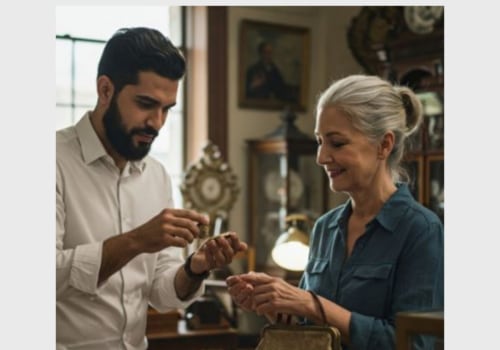
Antique appraisals play a crucial role in the world of collectibles and historical artifacts. An antique appraisal is a professional evaluation of an item’s value, typically conducted by a certified appraiser who specializes in antiques. This process is essential for various reasons, including insurance purposes, estate planning, and even selling items at auction. Understanding the significance of these appraisals can help collectors and owners make informed decisions about their valuable possessions. The importance of antique appraisals cannot be overstated.
They provide a clear understanding of an item's market value, which can fluctuate based on trends, demand, and condition. A well-conducted appraisal not only helps in determining the worth of an item but also offers insights into its history and authenticity. This knowledge is invaluable for anyone looking to buy or sell antiques, as it ensures that transactions are fair and transparent. So, how do antique appraisals work? The process typically begins with a thorough examination of the item in question. Appraisers assess various factors such as age, condition, provenance, and market trends to arrive at a fair valuation.
This comprehensive approach ensures that all aspects of the item are considered, providing a reliable estimate that reflects its true worth. As we delve deeper into the world of antique appraisals, it’s essential to be aware of potential red flags that could indicate an unreliable appraisal process.
Common Red Flags in Antique Appraisals
When seeking antique appraisals, it’s crucial to be aware of potential red flags that may indicate an unreliable appraisal process. Here are some common warning signs to watch for:- Lack of Credentials: Always verify the appraiser's qualifications. A reputable appraiser should have relevant certifications, such as those from the American Society of Appraisers or the International Society of Appraisers.
If they cannot provide proof of their credentials, consider this a significant red flag.
- Vague or Inflated Valuations: Be cautious if the appraiser provides a valuation without a detailed explanation. A trustworthy appraisal should include a thorough analysis of the item, including its condition, provenance, and market trends. Inflated valuations can also be a sign of an appraiser looking to make a quick sale.
- Pressure Tactics: If an appraiser pressures you to sell your item immediately or suggests that the value will decrease if you wait, this is a warning sign. A professional appraiser should provide you with time to consider your options without any undue pressure.
- Limited Experience with Specific Antiques: Ensure that the appraiser has experience with the specific type of antique you are having evaluated.
An appraiser who specializes in furniture may not be suitable for evaluating fine art or collectibles.
- No Written Report: A reputable appraisal should come with a written report detailing the findings and valuation. If an appraiser offers only verbal assessments, it may indicate a lack of professionalism or accountability.
Lack of Credentials and Experience
When seeking antique appraisals, one of the most critical factors to consider is the appraiser's credentials and experience. A lack of these can serve as a significant red flag, potentially leading to inaccurate valuations and financial loss.Verifying Appraiser Credentials
Before engaging an appraiser, it is essential to verify their credentials. Look for qualifications such as:
- Professional Memberships: Membership in recognized organizations like the American Society of Appraisers (ASA) or the International Society of Appraisers (ISA) indicates a commitment to professional standards.
- Certifications: Certifications from reputable institutions can demonstrate an appraiser's expertise in specific areas of antiques.
- Educational Background: A degree in art history, antiques, or a related field can provide a solid foundation for understanding the nuances of antique valuation.
Experience Matters
Experience plays a crucial role in the appraisal process.
An appraiser with years of hands-on experience is more likely to recognize subtle details that can significantly affect an item's value. When evaluating potential appraisers, consider the following:
- Years in Business: An appraiser who has been in the field for several years will have encountered a wide range of items and valuation scenarios.
- Specialization: Some appraisers specialize in specific types of antiques, such as furniture, jewelry, or fine art. Ensure that their specialization aligns with your needs.
- Client Testimonials: Reviews and testimonials from previous clients can provide insight into an appraiser's reliability and expertise.
Taking the time to choose a qualified appraiser can save you from costly mistakes and ensure that your antiques are valued correctly.
Unrealistic Valuations
When seeking antique appraisals, one of the most significant red flags to watch for is unrealistic valuations. An appraisal that seems excessively high or low compared to market standards can indicate a lack of professionalism or integrity on the part of the appraiser. Understanding how to spot these inflated appraisals is crucial for anyone looking to buy or sell antiques.How to Spot Inflated Appraisals
- Market Research: Always conduct your own research on similar items. If an appraisal significantly deviates from what you find in reputable auction results or sales records, it may be inflated.
- Appraiser Credentials: Verify the qualifications and experience of the appraiser.
A certified appraiser should have a solid background in the specific type of antiques you are dealing with.
- Comparative Analysis: Request a comparative analysis that includes recent sales data for similar items. If the appraiser cannot provide this, it may be a sign of an unrealistic valuation.
Always seek multiple opinions and do thorough research before accepting any appraisal as final.
Pressure Tactics and High Fees
When seeking antique appraisals, it’s crucial to be aware of potential red flags that could indicate a less-than-reputable appraisal process. One of the most concerning issues is the use of pressure tactics. Some appraisers may rush you into making decisions, creating a sense of urgency that can cloud your judgment. For instance, they might claim that your antiques will lose value if not appraised immediately or suggest that their services are in high demand, thus requiring you to act quickly.Another significant warning sign is the presence of exorbitant appraisal fees.While it’s normal for appraisers to charge for their expertise, fees that seem excessively high compared to industry standards should raise concerns. A reputable appraiser will provide a clear breakdown of their fees and explain what services are included. If an appraiser is vague about costs or insists on upfront payments without a detailed explanation, it’s wise to proceed with caution.
Understanding Fair Pricing
To ensure you’re receiving a fair price for your antique appraisals, consider researching typical rates in your area. Many professional organizations publish guidelines on standard appraisal fees, which can serve as a benchmark.Additionally, asking for quotes from multiple appraisers can help you gauge what constitutes a reasonable fee.Ultimately, trust your instincts. If an appraiser makes you feel uncomfortable or pressured, it’s perfectly acceptable to walk away and seek another opinion. Remember, a trustworthy appraisal should be informative and transparent, allowing you to make well-informed decisions about your antiques.
Lack of Written Documentation
When it comes to antique appraisals, one of the most significant red flags to watch for is the absence of written documentation. A reputable appraiser should always provide a detailed, written appraisal report that outlines the findings and justifications for the valuation.This document serves not only as a record of the appraisal but also as a safeguard for both the appraiser and the client.
Importance of Written Appraisals
- Legal Protection: A written appraisal can protect you in case of disputes regarding the value of your antique.
- Transparency: It provides clarity on how the appraiser arrived at their valuation, including factors like condition, provenance, and market trends.
- Future Reference: Should you decide to sell or insure your antique, having a documented appraisal can facilitate these processes.
Documentation in Antique Appraisals
A comprehensive appraisal report should include:
- Description of the Item: Detailed information about the antique, including its age, maker, and any unique features.
- Market Analysis: An overview of current market conditions and comparable sales that support the valuation.
- Photographic Evidence: Images of the item that can help substantiate its condition and authenticity.
The absence of such documentation is not just a minor oversight; it can be a significant warning sign that you are dealing with an unqualified or unscrupulous appraiser. Protect yourself by ensuring that every appraisal is backed by solid documentation.
Inconsistent or Vague Descriptions
When seeking antique appraisals, one of the most significant red flags to watch for is the presence of inconsistent or vague descriptions. A thorough appraisal should provide a clear and detailed account of the item in question, including its history, condition, and any unique characteristics that contribute to its value.Importance of Detailed Appraisals
A detailed appraisal not only helps in establishing the value of an antique but also serves as a crucial document for insurance purposes or resale. If an appraiser provides a description that lacks specificity—such as simply stating "a nice vase" without mentioning its age, origin, or maker—it raises concerns about their expertise and diligence.
Such vague descriptions can lead to misunderstandings about the item's true worth.
Consistency in Antique Descriptions
Consistency is another key factor in evaluating an appraisal. If different appraisers provide conflicting descriptions or values for the same item, it can indicate a lack of consensus in the market or, worse, a lack of credibility among the appraisers themselves. When appraisals vary widely, it’s essential to question the qualifications of those providing them.
- Look for specific details: A reputable appraiser should include information about the item’s provenance, materials used, and any relevant historical context.
- Check for supporting documentation: Good appraisals often come with photographs and references that substantiate the claims made.
- Ask questions: If you encounter vague terms or inconsistent information, don’t hesitate to ask the appraiser for clarification or further details.
FAQs About Antique Appraisals and Red Flags
When it comes to antique appraisals, many individuals have questions and concerns.Understanding these can help you navigate the appraisal process more effectively.
Common Questions About Antique Appraisals
- What is an antique appraisal? An antique appraisal is a professional evaluation of an item's value, typically conducted by a certified appraiser who specializes in antiques.
- How long does an appraisal take? The duration of an appraisal can vary based on the complexity of the item and the appraiser's schedule, but it generally takes anywhere from a few hours to several days.
- What factors influence the value of an antique? Factors include age, condition, rarity, provenance, and market demand.
Red Flags to Watch Out For
- Lack of Credentials: Ensure that the appraiser has relevant certifications and experience in the field of antiques.
- Pressure Tactics: Be wary of appraisers who rush you into making decisions or suggest immediate sales.
- Unrealistic Valuations: If an appraisal seems too good to be true, it probably is. Trustworthy appraisers provide realistic and well-researched valuations.
Tips for Finding Reliable Appraisers
- Research: Look for appraisers with good reviews and a solid reputation in the antique community.
- Ask for References: A reputable appraiser should be able to provide references from previous clients.
- Check Affiliations: Membership in professional organizations, such as the American Society of Appraisers, can indicate credibility.
Conclusion: Making Informed Decisions on Antique Appraisals
In conclusion, navigating the world of antique appraisals requires a keen eye and a cautious approach. As we have discussed, there are several red flags that potential clients should be aware of to ensure they receive a fair and accurate appraisal of their antiques. First and foremost, it is crucial to verify the credentials of the appraiser.Look for professionals who are certified by recognized organizations such as the American Society of Appraisers or the International Society of Appraisers. This certification not only indicates a level of expertise but also adherence to ethical standards. Additionally, be wary of appraisers who offer inflated values or seem overly eager to buy your items. A reputable appraiser should provide a well-researched valuation based on market trends and comparable sales, rather than simply trying to make a quick sale. Another important aspect is the appraisal process itself. Ensure that the appraiser conducts a thorough examination of your item, including its condition, provenance, and historical significance.
If an appraiser rushes through this process or fails to ask detailed questions about your antique, it may be a sign that they are not taking their job seriously. Finally, always request a written report detailing the appraisal findings. This document should include the appraiser's qualifications, methodology used, and any relevant market data that supports their valuation. A lack of documentation can be a significant red flag. By keeping these considerations in mind, you can make informed decisions when seeking antique appraisals. Vigilance and due diligence will not only protect your investment but also enhance your understanding of the true value of your antiques.