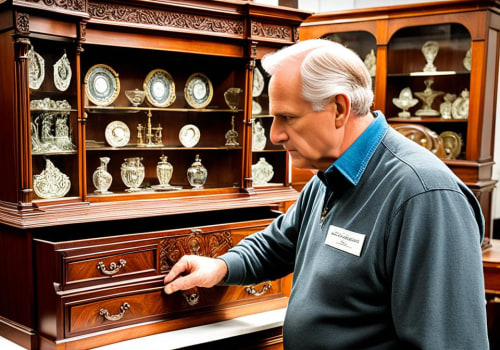
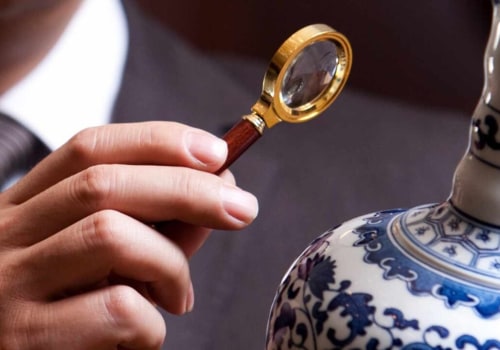
Antique appraisals play a crucial role in the world of collectibles and historical artifacts. They serve as a formal assessment of an item's value, taking into account various factors such as age, condition, rarity, and market demand. Understanding what an antique appraisal entails is essential for anyone looking to buy, sell, or insure antiques. These appraisals not only provide a monetary value but also offer insights into the historical significance and provenance of the item. The importance of antique appraisals cannot be overstated.
For collectors and sellers, an accurate appraisal can mean the difference between a profitable sale and a significant loss. Additionally, appraisals are often required for insurance purposes, ensuring that valuable items are adequately protected against loss or damage. However, the subjective nature of appraisals can lead to disagreements between appraisers and owners regarding the perceived value of an item. As you navigate the complexities of antique appraisals, it’s vital to recognize that differing opinions on value are not uncommon. Factors such as market trends, personal attachment to an item, and varying expertise among appraisers can all contribute to discrepancies in valuation.
This section sets the stage for understanding how to address these disagreements effectively and what steps you can take if you find yourself at odds with an appraisal outcome.
Common Reasons for Disagreement with Antique Appraisals
Disagreements with antique appraisals can arise for a variety of reasons, often rooted in subjective opinions and external factors. Understanding these common reasons can help you navigate the complexities of antique valuation.- Subjective Opinions: One of the primary reasons for disagreement is the inherent subjectivity involved in appraising antiques. Different appraisers may have varying levels of expertise, personal biases, or aesthetic preferences that influence their valuation. For instance, an appraiser with a strong affinity for a particular style may assign a higher value than one who does not appreciate it as much.
- Market Fluctuations: The value of antiques can fluctuate based on current market trends.
An item that was once highly sought after may lose its appeal over time, leading to discrepancies in appraisal values. Conversely, emerging trends can suddenly increase the value of certain antiques, leaving previous appraisals outdated.
- Condition and Restoration: The condition of an antique plays a crucial role in its value. Disagreements may arise if one party believes that an item has been restored to a higher standard than another perceives. Factors such as wear and tear, repairs, and overall presentation can significantly impact an appraisal.
- Provenance and Documentation: The history of an antique, including its provenance and any accompanying documentation, can also lead to differing opinions on value.
An item with a well-documented history may be valued higher than one without, but if the documentation is disputed or unclear, disagreements can occur.
Steps to Take if You Disagree with an Antique Appraisal
Disagreeing with an antique appraisal can be a frustrating experience, especially if you believe the value assigned to your item is inaccurate. Here are some steps to take if you find yourself in this situation:- Gather Evidence: Start by collecting any documentation that supports your view of the item's value. This may include previous appraisals, purchase receipts, or photographs that highlight the item's condition and provenance.
The more evidence you have, the stronger your case will be.
- Research Market Trends: Conduct thorough research on similar items in the market. Websites like auction houses, antique shops, and online marketplaces can provide valuable insights into current pricing trends. Look for comparable sales to bolster your argument.
- Seek a Second Opinion: Consider consulting another qualified appraiser for a second opinion. Make sure this appraiser is reputable and has experience with similar antiques.
A fresh perspective can either confirm your concerns or provide clarity on the original appraisal.
- Communicate with the Appraiser: Reach out to the original appraiser to discuss your concerns. Be respectful and present your evidence clearly. A professional appraiser should be open to discussing their valuation and may even reconsider their assessment based on new information.
- Understand Your Rights: Familiarize yourself with any legal rights you may have regarding antique appraisals. Depending on your location, there may be consumer protection laws that apply to appraisal disputes.
Knowing your rights can empower you in negotiations.
Seeking a Second Opinion: How to Choose the Right Appraiser
When faced with a discrepancy in antique appraisals, seeking a second opinion can be a crucial step in ensuring you receive a fair and accurate valuation. However, not all appraisers are created equal, so it’s essential to choose wisely. Here are some tips to help you find a qualified appraiser who can provide a more reliable assessment.1.Look for Credentials
Start by checking the appraiser's credentials. Look for professionals who are members of recognized organizations such as the American Society of Appraisers (ASA) or the Appraisers Association of America (AAA).Membership in these organizations often requires rigorous training and adherence to ethical standards, which can give you confidence in their expertise.
2.Specialization Matters
Antiques cover a wide range of categories, from furniture to jewelry. It’s important to find an appraiser who specializes in the specific type of antique you own. A specialist will have a deeper understanding of market trends and value determinants relevant to your item.3.Check Reviews and References
Before making your choice, take the time to read reviews and ask for references from previous clients. This can provide insight into the appraiser's reliability and the quality of their work.Look for testimonials that specifically mention their experience with antique appraisals.
4.Ask About Their Process
A qualified appraiser should be willing to explain their appraisal process clearly. They should provide details on how they determine value, including any research methods or market analysis they employ. This transparency is key to ensuring you understand how they arrived at their assessment.5.Get Multiple Quotes
If possible, obtain quotes from several appraisers before making your decision. This not only helps you gauge the market value but also allows you to compare different approaches and methodologies used by various professionals.In conclusion, obtaining a second opinion on your antique appraisal can provide peace of mind and potentially reveal a more accurate value for your item.By following these guidelines, you can select an appraiser who is both qualified and trustworthy, ensuring that your antique is valued appropriately.
Legal Considerations in Antique Appraisal Disputes
When faced with a disagreement over the value assigned in an antique appraisal, understanding your legal rights is crucial. Consumers have specific protections under various laws, which can vary by state, but generally, you are entitled to a fair and accurate appraisal based on the appraiser's expertise and the market conditions.Understanding Your Consumer Rights
- Right to Transparency: Appraisers should provide clear documentation of their methods and reasoning behind the valuation.
- Right to Seek a Second Opinion: If you disagree with the appraisal, you have the right to consult another qualified appraiser for a second opinion.
- Right to Dispute: If you believe the appraisal is grossly inaccurate, you can formally dispute it with the appraiser or their governing body.
Potential Legal Actions
If informal discussions do not resolve the issue, you may consider taking legal action. Here are some steps to consider:
- Document Everything: Keep records of all communications, appraisals, and any other relevant documents.
- Consult an Attorney: If you believe you have a strong case, seek legal advice from an attorney who specializes in consumer rights or antique law.
- Mediation or Arbitration: Many disputes can be resolved through mediation or arbitration, which are often less costly and time-consuming than court proceedings.
- Lawsuit: As a last resort, you may file a lawsuit against the appraiser for negligence or breach of contract if applicable.
FAQs About Antique Appraisals and Disagreements
When it comes to antique appraisals, disagreements can arise for various reasons.Here are some frequently asked questions that can help clarify common concerns and provide guidance on resolving appraisal disputes.
What should I do if I disagree with an appraisal value?
If you find yourself at odds with the value assigned to your antique, consider the following steps:- Request a detailed report: Ask the appraiser for a written report that outlines how they arrived at the valuation. This can provide insight into their methodology and reasoning.
- Seek a second opinion: Consult another qualified appraiser who specializes in your type of antique. A fresh perspective may validate your concerns or provide new insights.
- Research comparable sales: Look into recent sales of similar items to gauge whether the appraisal aligns with current market trends.
Are there common reasons for appraisal disagreements?
Yes, several factors can lead to differing opinions on an antique's value:- Market fluctuations: The value of antiques can change based on market demand, which may not be reflected in every appraisal.
- Condition discrepancies: Differences in the perceived condition of an item can significantly impact its value.
- Lack of documentation: Provenance and historical significance can affect value; missing documentation may lead to lower appraisals.
How can I resolve an appraisal dispute?
To effectively resolve a disagreement over an appraisal, consider these approaches:- Open communication: Discuss your concerns directly with the appraiser. They may be willing to reassess their valuation based on new information.
- Mediation services: If direct communication fails, consider using a mediation service that specializes in antique disputes to facilitate a resolution.
- Legal advice: In extreme cases, seeking legal counsel may be necessary, especially if significant financial interests are at stake.
Conclusion: Navigating Antique Appraisal Disagreements Effectively
In conclusion, navigating disagreements regarding antique appraisals can be a complex process, but understanding the key elements involved can significantly ease the journey.Throughout this article, we have explored the importance of recognizing the factors that influence an appraisal's value, such as market trends, condition, and provenance. When faced with a discrepancy in value, it is crucial to approach the situation with a clear strategy.First and foremost, communication is essential. Engaging in an open dialogue with the appraiser can provide insights into their valuation methods and reasoning. If you still feel unsatisfied after this discussion, consider seeking a second opinion from another qualified appraiser.
This step not only validates your concerns but also offers a fresh perspective on your antique's worth.Additionally, it is beneficial to conduct your own research. Familiarizing yourself with similar items and their recent sales can empower you with knowledge that supports your case. Utilize online resources, auction results, and antique fairs to gather data that may challenge the initial appraisal.Lastly, if disagreements persist and you believe your antique holds greater value than appraised, consider exploring legal avenues or mediation services specializing in antique disputes. Remember that the world of antique appraisals is not just about numbers; it’s about passion and history.
By approaching disagreements thoughtfully and informed, you can navigate this intricate landscape more effectively.