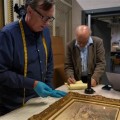
Understanding antique appraisals is essential for anyone interested in the world of antiques, whether you are a seasoned collector or a casual enthusiast. The value of antiques can vary significantly based on a multitude of factors, making it crucial to grasp what influences these valuations. Antique appraisals serve as a formal assessment of an item's worth, providing insights that can help guide buying, selling, or even insuring valuable pieces. Several elements come into play when determining the value of antiques. These include the item's age, rarity, condition, provenance, and market demand.
For instance, an antique that is not only rare but also in excellent condition can command a much higher price than similar items that may be more common or show signs of wear. Additionally, the historical significance and the story behind an item can greatly enhance its appeal and value. As we delve deeper into the intricacies of antique appraisals, it becomes clear that understanding these factors is not just for professional appraisers but also for anyone looking to navigate the fascinating world of antiques. By recognizing what contributes to an antique's value, collectors and sellers alike can make informed decisions that reflect both their passion for history and their financial interests.
Historical Significance
The historical significance of an antique plays a crucial role in determining its value. This significance can stem from various factors, including the item's age, its provenance, and its connection to notable events or figures in history.One of the primary aspects to consider is the age of the antique.Generally, the older an item is, the more valuable it can be, especially if it dates back to a period that is highly regarded or sought after by collectors. For instance, antiques from the Victorian era or the American Revolutionary period often command higher prices due to their rarity and the historical context they represent.
Provenance
, or the documented history of an item, also significantly impacts its value. An antique with a well-documented lineage, especially one that can be traced back to a famous owner or a significant event, is often more desirable. For example, a piece of furniture that once belonged to a prominent historical figure may fetch a much higher price than a similar piece without such a background.Moreover, the connection of an antique to significant events can enhance its value.Items associated with major historical moments—such as artifacts from wars, political movements, or cultural revolutions—often carry a premium due to their storytelling potential and emotional resonance with collectors.In summary, understanding the historical significance of an antique is essential for accurate antique appraisals. By considering factors like age, provenance, and historical connections, appraisers can better assess an item's worth and provide insights into its place within history.
Condition and Restoration
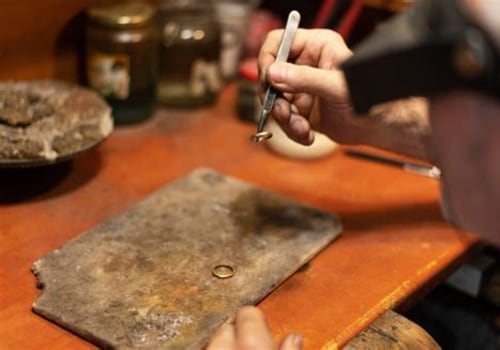
The condition of antiques plays a crucial role in determining their overall value. Collectors and appraisers alike understand that an item in excellent condition will typically command a higher price than one that shows significant wear or damage. Factors such as surface scratches, missing parts, and structural integrity are all assessed during the appraisal process.For instance, a vintage piece of furniture with minimal scratches and intact joints is far more desirable than one that has been heavily used or poorly maintained.Moreover, the impact of restoration on an antique's value can be quite complex. While some restoration efforts can enhance the aesthetic appeal and functionality of an item, they can also lead to a decrease in value if not done correctly. Authenticity is paramount; collectors often prefer items that retain their original materials and finishes. For example, if a valuable painting is over-restored with modern paints or techniques, it may lose its historical significance and thus its market value.When considering restoration, it’s essential to consult with professionals who specialize in antique preservation.
They can provide guidance on the best practices for maintaining the integrity of the piece while addressing any necessary repairs. Proper preservation techniques not only help in retaining the item’s value but also ensure its longevity for future generations.In summary, both the condition of an antique and the quality of any restoration work performed are critical factors in determining its value. Collectors should approach restoration with caution, prioritizing authenticity and expert advice to safeguard their investments.
Rarity and Demand
When it comes to antique appraisals, two of the most critical factors influencing an item's value are its rarity and the current market demand. Understanding these elements can provide insight into why certain antiques fetch higher prices than others.Rarity of Antiques
The rarity of an antique is often determined by how many similar items exist.For instance, a limited edition piece or an item produced in small quantities is generally more valuable than a mass-produced counterpart. Collectors and enthusiasts often seek out rare items, which can drive up their market value significantly. Factors contributing to rarity include:
- Age: Older items are typically rarer, especially if they have survived in good condition.
- Provenance: Items with a well-documented history or connection to notable figures can be more desirable.
- Condition: Antiques that are well-preserved or in their original state are often considered more valuable.
Market Demand for Antiques
The market demand for antiques fluctuates based on trends, cultural interests, and economic conditions. An item that was once highly sought after may lose its appeal over time, while others may gain popularity due to changing tastes.Key aspects of market demand include:
- Cultural Trends: Items that resonate with current cultural movements or nostalgia can see a spike in demand.
- Collector Interest: The enthusiasm of collectors for specific types of antiques can significantly influence prices.
- Economic Factors: In times of economic prosperity, people may be more willing to invest in high-value antiques.
Provenance and Authenticity
When it comes to antique appraisals, the concepts of provenance and authenticity are paramount. Provenance refers to the history of ownership of an antique, tracing its journey from its creation to the present day.This history not only adds a narrative to the piece but also serves as a critical factor in establishing its authenticity.
Understanding Provenance
- Documentation: Provenance is often supported by documentation, such as receipts, photographs, or letters that can verify the ownership history. The more detailed and credible the documentation, the higher the value of the antique.
- Historical Significance: Antiques with a notable provenance—such as those owned by famous individuals or used in significant historical events—tend to command higher prices. Collectors are often willing to pay a premium for items with a rich backstory.
- Expert Verification: Experts in the field can help verify provenance through research and analysis, which can significantly impact an antique's market value.
The Role of Authenticity Verification
Authenticity verification is crucial in the world of antiques. It involves assessing whether an item is genuine or a reproduction.
Factors that contribute to authenticity include:
- Materials Used: The materials and techniques used in creating the antique should align with those typical of its era.
- Condition: The condition of an antique can also provide clues about its authenticity. An item that shows signs of age consistent with its claimed period is more likely to be genuine.
- Expert Appraisals: Professional appraisers often use their expertise to determine authenticity, which can greatly influence an item's value.
How Provenance Affects Value
The relationship between provenance and value is clear: a well-documented history enhances an antique's desirability and market price. Collectors are increasingly aware that provenance not only adds depth to their collection but also serves as a safeguard against forgeries. In summary, when considering antique appraisals, understanding both provenance and authenticity is essential for accurately determining an antique's true value.
Market Trends and Economic Factors
The value of antiques is significantly influenced by market trends and various economic factors.Understanding these elements is crucial for both collectors and investors looking to navigate the complex world of antique appraisals.
Market Trends in Antiques
- Popularity of Styles: Certain styles or periods may experience surges in popularity, affecting demand and, consequently, prices. For instance, mid-century modern furniture has seen a revival, leading to increased valuations.
- Collector Demographics: The age and interests of collectors can shift over time. Younger generations may prefer different types of antiques compared to older collectors, impacting what items are valued higher.
- Online Marketplaces: The rise of online auction sites and marketplaces has broadened access to antiques, allowing for greater competition and potentially driving up prices for sought-after items.
Economic Factors Affecting Antique Prices
- Economic Stability: In times of economic prosperity, people are more likely to invest in luxury items, including antiques. Conversely, during economic downturns, the demand for non-essential items may decrease, leading to lower valuations.
- Inflation Rates: Inflation can affect the purchasing power of consumers.
As costs rise, buyers may be less willing to spend on antiques, which can lead to a decline in prices.
- Investment Trends: Antiques are often viewed as alternative investments. When traditional markets are volatile, more investors may turn to antiques as a stable asset class, driving up demand and prices.
Expert Appraisal Process
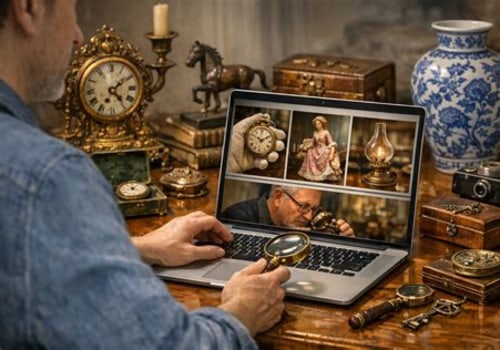
Understanding the antique appraisal process is crucial for anyone looking to determine the value of their antiques. The process typically involves several key steps that ensure a thorough and accurate evaluation.- Research and Preparation: Before meeting with an appraiser, gather as much information as possible about your antique.
This includes its history, any previous appraisals, and documentation such as receipts or provenance. Having this information ready can help the appraiser provide a more accurate valuation.
- Finding a Qualified Appraiser: Look for an appraiser who specializes in the type of antique you own. You can find qualified appraisers through professional organizations such as the American Society of Appraisers or the Appraisers Association of America. Check their credentials and reviews to ensure they have a good reputation.
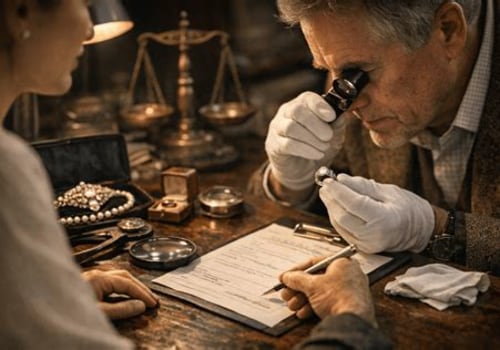
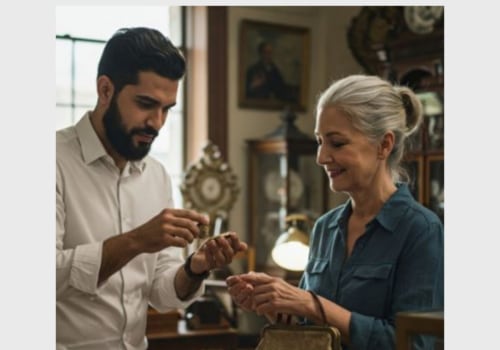
- The Appraisal Meeting: During the appraisal, the appraiser will examine your antique closely.
They will assess its condition, authenticity, and market demand. Be prepared to answer questions about its history and any repairs it may have undergone.
- Receiving the Appraisal Report: After the examination, the appraiser will provide a written report detailing their findings. This report typically includes a description of the item, its estimated value, and any relevant market trends. Make sure to review this document carefully.
Therefore, if you're considering selling your antique or insuring it, obtaining multiple appraisals can provide a more comprehensive understanding of its value.In summary, navigating the antique appraisal process involves preparation, finding a qualified appraiser, participating in an evaluation meeting, and reviewing the appraisal report. By following these steps, you can gain valuable insights into your antiques' worth.
Common Misconceptions About Antique Value
When it comes to antique appraisals, there are several common misconceptions that can lead to confusion about the true value of antiques. Understanding these myths is crucial for both collectors and sellers.- Myth 1: Age Equals Value - Many believe that the older an item is, the more valuable it must be. However, age is just one factor in determining value.
An antique's condition, rarity, and demand in the market often play a more significant role.
- Myth 2: All Antiques Are Valuable - Not all antiques hold significant value. Items that were mass-produced or are in poor condition may not fetch high prices, regardless of their age.
- Myth 3: Family Heirlooms Are Always Valuable - While family heirlooms can have sentimental value, they do not always translate to monetary worth. An appraisal can help clarify their actual market value.
- Myth 4: Appraisals Are Just Guesswork - Some people think that appraisals are based on personal opinions. In reality, professional appraisers use a combination of research, market trends, and historical data to determine an item's value.
- Myth 5: Condition Doesn’t Matter - The condition of an antique is critical in its valuation.
Items that are well-preserved or restored properly can command higher prices than those that are damaged or poorly maintained.
Conclusion: Key Takeaways on Antique Valuation
In conclusion, understanding the factors that determine the value of antiques is crucial for anyone involved in antique appraisals. The intricate interplay of age, condition, provenance, rarity, and market demand plays a significant role in establishing an antique's worth. Each of these elements contributes to the overall narrative of the piece, making it not just a commodity but a part of history.- Age: Generally, the older an item is, the more valuable it can be, provided it has been well-preserved.
- Condition: The state of an antique significantly affects its value.
Items in excellent condition with minimal wear are typically more sought after.
- Provenance: A documented history of ownership can enhance an antique's value, especially if it was owned by someone notable.
- Rarity: Limited production items or those that are hard to find often command higher prices in the market.
- Market Demand: Trends and consumer interest can fluctuate, impacting how much collectors are willing to pay for specific antiques.