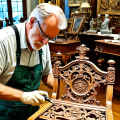
When it comes to antique appraisals, the condition of an antique plays a pivotal role in determining its overall value. Collectors and enthusiasts alike understand that an item’s physical state can significantly influence its desirability and market price. Whether it’s a vintage piece of furniture, a delicate porcelain figurine, or an intricate piece of jewelry, the nuances of wear and tear can either enhance or diminish its worth. This makes understanding the condition of antiques essential for anyone looking to buy, sell, or simply appreciate these historical treasures. The assessment of an antique's condition involves a thorough examination of various factors, including structural integrity, surface wear, and any repairs that may have been made over the years.
For instance, a well-preserved item with minimal signs of damage is likely to fetch a higher price than one that has been extensively restored or shows significant signs of deterioration. Appraisers often categorize condition into several grades, ranging from excellent to poor, which helps in establishing a baseline for value during antique appraisals.Moreover, the emotional and historical significance tied to an antique can also be affected by its condition. A piece that has survived the test of time with its original features intact not only tells a story but also connects collectors to the past in a more profound way. As we delve deeper into the intricacies of how condition impacts value, it becomes clear that understanding these elements is crucial for anyone involved in the world of antiques.
Factors Influencing Antique Condition
The condition of an antique is a critical factor in determining its value during antique appraisals.Several elements contribute to the overall state of an antique, and understanding these can significantly impact both collectors and appraisers.Age and Authenticity One of the primary factors influencing an antique's condition is its age. Generally, the older an item is, the more likely it has experienced wear and tear. However, age alone does not dictate value; the authenticity of the piece also plays a crucial role. An authentic item that has been well-preserved can be worth significantly more than a newer reproduction, regardless of its physical condition.Wear and Tear Natural wear and tear are expected in antiques, but excessive damage can detract from their value.
Common issues include:
- Scratches and dents: Surface imperfections can indicate heavy use or poor storage conditions.
- Fading: Loss of color or finish can suggest exposure to sunlight or harsh cleaning methods.
- Structural damage: Broken or loose parts can compromise the integrity of the piece.
- Quality of restoration: High-quality restorations that use appropriate materials may preserve value.
- Documentation: Provenance and records of restoration work can provide context and reassurance to potential buyers.
Types of Conditions in Antiques
When it comes to antique appraisals, the condition of an antique plays a crucial role in determining its value.Antiques can be categorized into several conditions, each affecting their market worth significantly. Understanding these categories helps collectors and sellers alike make informed decisions.
- Mint Condition: Antiques in mint condition are virtually flawless. They show no signs of wear, damage, or restoration. Items in this category often fetch the highest prices at appraisal due to their pristine state.
For example, a mint condition 18th-century porcelain vase could be valued significantly higher than one with minor chips.
- Good Condition: Antiques classified as being in good condition may have minor imperfections but are still highly desirable. These items might show slight wear or small repairs that do not detract from their overall appeal. A good condition vintage watch, for instance, may have a few scratches but is fully functional and retains its original parts.
- Fair Condition: Antiques in fair condition exhibit noticeable wear and may require restoration to enhance their value. While they are still collectible, their appraisal value is lower than those in mint or good condition.
An example would be a fair condition wooden chair that has some scratches and loose joints but is still structurally sound.
- Poor Condition: Antiques categorized as poor condition have significant damage or deterioration. These items may be missing parts or require extensive restoration work. While they can still hold historical value, their appraisal price is often minimal. For instance, a poor condition painting with tears and fading may only be valued for its frame or provenance.
Each category—mint, good, fair, and poor—provides insight into the item's potential market value and desirability among collectors.
The Role of Authenticity in Appraisal Value
When it comes to antique appraisals, the concept of authenticity plays a pivotal role in determining an antique's value. Authenticity refers to the genuineness of an item, which is often established through its provenance—the documented history of ownership and origin. An antique with a well-documented provenance is generally more valuable than one without, as it provides assurance to potential buyers and appraisers alike that the item is not a reproduction or a forgery.In assessing the authenticity in antiques, appraisers look for several key factors:- Materials Used: Genuine antiques are typically made from materials that were available during their period of creation. For instance, a Victorian-era piece should be crafted from wood types and finishes that were common at that time.
- Craftsmanship: The quality of craftsmanship can also indicate authenticity.
Handcrafted items often exhibit unique characteristics that mass-produced replicas lack.
- Marks and Signatures: Many antiques bear maker's marks or signatures that can be traced back to specific artisans or manufacturers, adding to their authenticity.
Without such documentation, even a genuine piece may be viewed with skepticism, potentially lowering its market value.In conclusion, the interplay between authenticity and condition is vital in appraisal authenticity. Collectors and sellers should prioritize maintaining the integrity of their antiques while ensuring they have proper documentation to support their claims of authenticity. This approach not only enhances the item's value but also preserves its historical significance for future generations.
Restoration vs. Original Condition: What Matters More?
When it comes to antique appraisals, the condition of an item plays a pivotal role in determining its value.One of the most debated topics among collectors and appraisers is whether to restore an antique or preserve it in its original state. Each approach has its own implications for value and desirability.
Impact of Restoration on Value
Restoration can enhance the aesthetic appeal of an antique, making it more attractive to potential buyers. However, it is essential to consider that not all restorations are created equal. High-quality, professional restoration can sometimes increase an item's value, especially if it brings back functionality or visual appeal without compromising its integrity.On the other hand, poorly executed restoration can lead to a significant decrease in value.
Original Condition vs. Restored Antiques
Many collectors prefer antiques in their original condition, as these pieces often tell a more authentic story and retain their historical significance. Original items are typically more desirable, especially if they show signs of age that add character, such as patina or minor wear. In contrast, restored items may lack the same level of interest for purists who value authenticity over aesthetics.Appraisal Considerations
- Documentation: Appraisers often look for documentation regarding any restoration work done.
Provenance can play a crucial role in how restoration impacts value.
- Type of Restoration: The nature of the restoration—whether it involved structural repairs, refinishing, or replacement parts—can significantly influence appraisal outcomes.
- Market Trends: Current market trends can also affect how restorations are perceived. In some cases, buyers may favor restored pieces due to their enhanced usability.
Common Misconceptions About Antique Condition and Value
When it comes to antique appraisals, many people hold misconceptions about how the condition of an antique influences its value. Understanding these myths is crucial for anyone looking to accurately assess their antiques.- Myth 1: Any Damage Decreases Value Significantly
While it’s true that damage can affect an antique's value, the extent of the impact often depends on the type of damage and the item itself.For instance, a rare piece with minor wear may still hold significant value, while a common item in pristine condition may not.
- Myth 2: Restoration Always Lowers Value
Many believe that restoring an antique will automatically decrease its worth. However, professional restoration can enhance value if done correctly, especially if it preserves the item's integrity and historical significance. - Myth 3: Only Perfect Condition Antiques Are Valuable
This is a common misconception. Many collectors appreciate antiques with a history, even if they show signs of wear. The story behind an item can sometimes outweigh its physical condition. - Myth 4: All Appraisers Value Condition the Same Way
Different appraisers may have varying opinions on how condition affects value.It’s essential to consult with a qualified appraiser who understands the specific market for your antique.
How to Assess the Condition of an Antique Yourself
Assessing the condition of an antique is a crucial step before seeking a professional appraisal. Understanding the state of your item can significantly influence its perceived value. Here are some practical tips to help you evaluate your antiques at home.- Examine the Surface: Start by inspecting the surface for any signs of damage, such as scratches, dents, or discoloration.
Use a soft cloth to gently wipe away dust and dirt, revealing any underlying issues.
- Check for Repairs: Look for any signs of previous repairs. This includes mismatched paint, glue marks, or visible stitching on textiles. While some repairs can enhance value, others may detract from it.
- Assess Structural Integrity: Gently test the stability of the piece. For furniture, check if it wobbles or if joints are loose.
For ceramics or glass, look for cracks or chips that could compromise the item’s integrity.
- Evaluate Patina: A natural patina can add character and value to antiques, especially in metals and wood. However, be cautious; excessive wear may indicate neglect.
- Document Findings: Take detailed notes and photographs of your findings. This documentation will be invaluable when you consult with a professional appraiser.
The Appraisal Process: What to Expect
When seeking an antique appraisal, understanding the appraisal process can help you feel more prepared and informed.Here’s what to expect during this important evaluation.
Initial Consultation
The process typically begins with an initial consultation, where you will discuss your antique items with the appraiser. This meeting allows the appraiser to gather essential information about the items, including their history, provenance, and any previous appraisals. Be prepared to provide details such as:- Age of the item
- Condition and any repairs made
- Documentation or certificates of authenticity
- Market trends or similar sales
Physical Examination
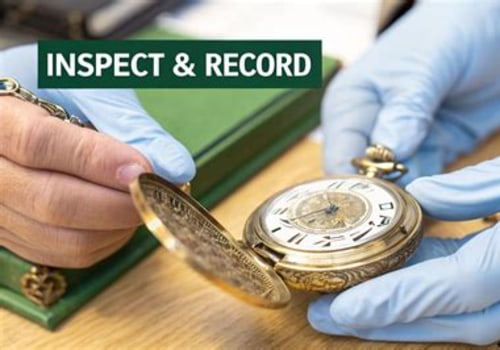
After the initial discussion, the appraiser will conduct a thorough physical examination of your antiques. This step is crucial as it allows the appraiser to assess the condition, craftsmanship, and any unique features that may affect value.During this examination, they will look for:
- Signs of wear, damage, or restoration
- Materials used, such as wood type or metal composition
- Maker’s marks or signatures that indicate authenticity
Research and Valuation
Once the examination is complete, the appraiser will conduct research to determine the current market value of your antiques. This may involve comparing similar items sold at auction or through galleries. The appraiser will consider various factors, including:- Market demand
- Historical significance
- Rarity
- Aesthetic appeal
Final Report and Recommendations
The final step in the appraisal process is receiving a detailed report that outlines the findings and provides a valuation for your antiques. This report may also include recommendations for care and preservation to maintain or enhance value over time.If you are considering selling your antiques, the appraiser may offer insights into the best avenues for sale.By understanding these steps, you can approach your antique appraisal with confidence, ensuring that you receive a fair and accurate evaluation of your cherished items.
Conclusion: The Interplay Between Condition and Value in Antique Appraisals
In conclusion, the condition of an antique plays a pivotal role in determining its value during antique appraisals. Throughout this discussion, we have explored how various factors such as wear and tear, restoration efforts, and overall aesthetic appeal contribute to the appraisal process. Understanding the nuances of condition is essential for both collectors and sellers. A well-preserved piece can command a significantly higher price compared to one that shows signs of extensive damage or neglect. For instance, an antique vase with minor scratches may still be valued highly, while one with major cracks could be deemed less desirable.Key Takeaways
- Condition directly influences market demand; items in excellent condition are often sought after.
- Restoration can enhance value, but it must be done carefully to maintain authenticity.
- Documentation of an antique's history and previous appraisals can provide context that affects its perceived value.
Whether you are an avid collector or a casual seller, being informed about how condition impacts value will empower you to make better decisions in the marketplace. As you navigate the world of antiques, remember that each piece tells a story, and its condition is a significant chapter in that narrative.