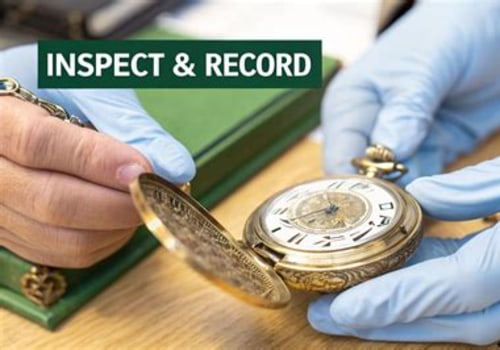
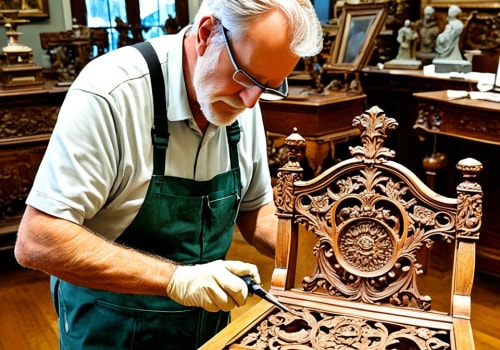
When it comes to antique appraisals, understanding the nuances of how these evaluations are conducted is crucial for any collector or enthusiast. An antique appraisal is a professional assessment that determines the value of an antique item based on various criteria, including its age, condition, rarity, and market demand. This process is not merely a guess; it involves a thorough examination by an expert who considers both historical context and current market trends. The appraisal process typically begins with a detailed inspection of the item in question. Appraisers look for specific characteristics such as maker's marks, materials used, and any unique features that may enhance its value.
They also take into account the provenance of the piece—its history of ownership—which can significantly impact its worth. For instance, an item with a well-documented history may fetch a higher price than a similar piece without such background. Several factors influence the final appraisal value of an antique. Market fluctuations can play a significant role; what was once considered valuable may decrease in worth due to changing tastes or economic conditions. Additionally, the condition of the item is paramount; even minor damages can lead to substantial reductions in value.
Understanding these elements can help you grasp why you might suspect that your antique is worth more than its appraised value.
Signs Your Antique May Be Worth More
When evaluating whether an antique may be worth more than its appraised value, there are several key indicators to consider. Understanding these signs can help you make informed decisions about your antique's potential worth.- Rarity: One of the most significant factors affecting an antique's value is its rarity. If your item is a limited edition or part of a small production run, it may be more valuable than similar items that are more commonly found. Researching the production numbers and availability of your antique can provide insight into its rarity.
- Condition: The condition of an antique plays a crucial role in determining its value.
Items that are well-preserved, free from damage, and retain their original features typically command higher prices. Look for signs of wear, restoration, or alterations that could affect the item's integrity.
- Provenance: The history of ownership, or provenance, can significantly enhance an antique's value. If your item has a documented history or was owned by a notable figure, it may be worth more than its appraised value. Collectors often seek items with interesting backstories.
- Market Demand: The current market demand for specific types of antiques can fluctuate over time.
Research recent sales and trends in the antique market to gauge whether there is growing interest in your item. Auctions and online marketplaces can provide valuable insights into what collectors are currently seeking.
Steps to Take If You Suspect Underappraisal
If you suspect that your antique may be worth more than its current appraised value, taking the right steps can help you uncover its true worth. Here are some actionable steps to consider:- Seek a Second Opinion: One of the first steps you should take is to consult another qualified appraiser.
Look for someone with a strong reputation and expertise in the specific type of antique you own. A second appraisal can provide a fresh perspective and may reveal a higher value.
- Research Market Trends: Understanding the current market trends for your antique is crucial. Check auction results, online marketplaces, and antique shows to see what similar items are selling for. Websites like eBay or Heritage Auctions can provide valuable insights into recent sales.
- Document Your Antique: Gather all relevant documentation regarding your antique, including previous appraisals, purchase receipts, and any historical information.
This documentation can support your case when seeking a re-evaluation.
- Network with Experts: Engage with antique dealers, collectors, and enthusiasts in your area or online. They can offer insights and may even know of potential buyers who appreciate the value of your piece.
- Consider Professional Organizations: Reach out to professional organizations such as the American Society of Appraisers or the Appraisers Association of America. These organizations can help you find certified appraisers who specialize in your type of antique.
- Challenge the Appraisal: If you believe that the initial appraisal was significantly undervalued, prepare to present your findings from your research and second opinions. Be respectful but firm when discussing your concerns with the original appraiser.
Remember, knowledge is power in the world of antique appraisals, and being informed will help you make better decisions regarding your valuable items.
Finding a Qualified Appraiser
When you suspect that an antique may be worth more than its appraised value, finding a qualified antique appraiser is crucial. A reputable appraiser can provide a more accurate assessment and help you understand the true value of your item.How to Find a Qualified Antique Appraiser
- Check Credentials: Look for appraisers who are members of recognized professional organizations, such as the American Society of Appraisers or the Appraisers Association of America. These memberships often require rigorous training and adherence to ethical standards.
- Specialization: Ensure the appraiser specializes in the type of antique you have. For example, if you own vintage jewelry, seek someone with expertise in that area.
- Experience: Inquire about their experience in the field.
An appraiser with years of experience is likely to have a better understanding of market trends and values.
Best Antique Appraisers
Research local appraisers through online reviews and recommendations from antique dealers or collectors. Websites like Yelp or Google Reviews can provide insights into their reputation. Additionally, consider reaching out to local museums or auction houses for referrals to trusted appraisers.
Questions to Ask an Appraiser
- What are your qualifications? Understanding their background will help you gauge their expertise.
- Can you provide references? Speaking with previous clients can give you confidence in their abilities.
- What is your appraisal process? A thorough explanation of their methodology will indicate their professionalism.
- What fees do you charge? Clarifying costs upfront will help avoid any surprises later on.
Researching Your Antique's Market Value
When you suspect that your antique may be worth more than its appraised value, the first step is to conduct thorough research on its market value. Understanding the current market trends and valuation methods can significantly enhance your knowledge and potentially increase your antique's worth.Online Databases
- Utilize online resources such as Antiques Navigator or Replacements, Ltd. to find comparable items and their selling prices.
- Websites like eBay and Craigslist can provide insights into what similar antiques are currently selling for in your area.
Auction Results
- Check auction house websites such as Sotheby’s or Christie’s for past auction results.
These platforms often list final sale prices for antiques, giving you a clear picture of what buyers are willing to pay.
- Attend local auctions to observe bidding patterns and gauge interest in specific types of antiques.
Collector Communities
- Engage with online forums and social media groups dedicated to antique collecting. Websites like Reddit’s Antiques community can be invaluable for getting opinions from experienced collectors.
- Consider joining local antique clubs or attending antique shows where you can network with other enthusiasts and gain insights into current market trends.
The Role of Auctions in Antique Valuation
When it comes to determining the value of antiques, auctions play a significant role. They not only provide a platform for selling antiques but also help establish market trends and perceived value among collectors and enthusiasts.Understanding how auctions affect antique value can be crucial for anyone considering selling their items.
Antique auctions
can create a competitive environment where multiple buyers are vying for the same piece, potentially driving up the final sale price. This competitive bidding can sometimes exceed the appraised value, especially if the item is rare or has unique provenance. Therefore, if you suspect your antique may be worth more than its appraised value, participating in an auction could be a strategic move.Preparing Your Antique for Auction
Before you decide to sell your antique at auction, proper preparation is essential to maximize its value. Here are some tips:- Research the Auction House: Choose a reputable auction house that specializes in antiques similar to yours.
Look at their past sales to gauge how well they perform.
- Get a Second Appraisal: If you believe your antique is undervalued, consider obtaining a second opinion from another appraiser who specializes in auction valuations.
- Document Provenance: Gather any documentation that proves the history and authenticity of your antique. This can include receipts, photographs, or previous appraisals.
- Condition Matters: Ensure your antique is in the best possible condition before the auction. Clean it carefully and make any necessary repairs without compromising its integrity.
- Set a Reserve Price: If you're concerned about not getting a fair price, consider setting a reserve price—this is the minimum amount you're willing to accept for your item.
Common Myths About Antique Appraisals
When it comes to antique appraisals, many misconceptions can cloud the judgment of owners regarding the true value of their items.Understanding these myths is crucial for anyone looking to accurately assess their antiques.
- Myth 1: All antiques are valuable. Not every antique holds significant monetary value. The worth of an item often depends on factors such as rarity, condition, and demand. Just because something is old does not mean it is valuable.
- Myth 2: Appraisals are always accurate. While professional appraisers strive for accuracy, appraisals can vary based on the appraiser's expertise and market conditions. It's wise to seek multiple opinions if you suspect your item may be undervalued.
- Myth 3: Family heirlooms are priceless. Sentimental value does not always translate to financial worth.
An item may have great personal significance but could be worth less than expected in the market.
- Myth 4: Online valuations are reliable. While online resources can provide a general idea of an item's worth, they often lack the nuance of a professional appraisal. Factors like provenance and specific market trends are best assessed in person.
- Myth 5: The appraisal value is the selling price. The appraised value is an estimate of what an item could sell for under ideal conditions, but actual sale prices can differ significantly based on buyer interest and market fluctuations.
FAQs About Antique Appraisals and Valuation
When it comes to antique appraisals, many collectors and enthusiasts have questions about the valuation process and what to expect. Here are some frequently asked questions that can help clarify common concerns:What factors influence the value of an antique?
The value of an antique is determined by several key factors, including:- Age: Generally, older items tend to be more valuable, but this is not a strict rule.
- Condition: The better the condition, the higher the value.
Restoration can affect this.
- Provenance: A documented history of ownership can significantly increase an item's worth.
- Market Demand: Trends in collecting can influence how much buyers are willing to pay.
- Rarity: Unique or limited items often fetch higher prices.
How do I find a qualified appraiser?
To find a qualified appraiser for your antiques, consider the following steps:- Look for appraisers who are members of professional organizations, such as the American Society of Appraisers or the Appraisers Association of America.
- Check their credentials and experience in the specific type of antique you have.
- Read reviews or ask for references from previous clients.
What should I expect during an appraisal?
During an appraisal, you can expect the appraiser to:- Examine the item closely for details that affect its value.
- Ask questions about its history and any previous appraisals.
- Provide a written report detailing their findings and valuation.
Conclusion: Making Informed Decisions About Your Antiques
In conclusion, navigating the world of antique appraisals can be both exciting and daunting. If you suspect that your antique may be worth more than its appraised value, it is crucial to take a systematic approach to ensure you make informed decisions. First, consider seeking a second opinion from a qualified appraiser who specializes in the type of antique you possess. Different appraisers may have varying insights based on their expertise and market knowledge.Additionally, researching recent sales of similar items can provide valuable context regarding current market trends. Next, it’s essential to document your antique thoroughly. Take high-quality photographs from multiple angles, note any distinguishing features, and gather any provenance or history associated with the item. This information can significantly enhance its value during future appraisals or sales. Furthermore, consider the condition of your antique. Items in excellent condition typically command higher prices.
If necessary, consult with restoration experts to understand whether any repairs could increase its value without compromising its authenticity. Finally, stay informed about the antique market. Trends can shift rapidly, and what may seem undervalued today could appreciate significantly in the future. Joining local antique clubs or online forums can provide insights and networking opportunities with other collectors and experts. By taking these steps, you empower yourself to make well-informed decisions regarding your antiques. Whether you choose to hold onto them for personal enjoyment or consider selling them for profit, being proactive will help you maximize their potential value.