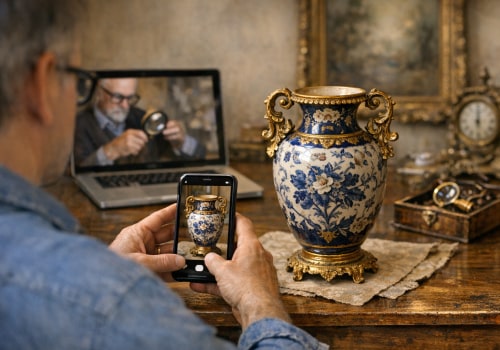
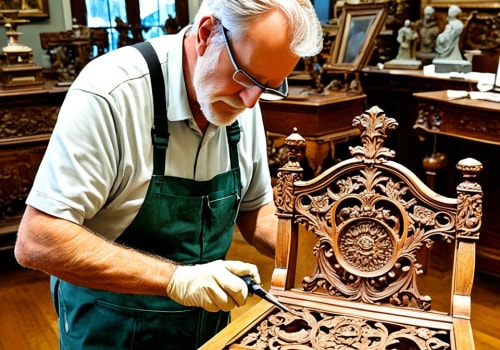
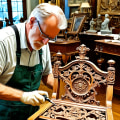
Antique appraisals are essential evaluations that determine the value of items with historical significance, age, or rarity. These appraisals are conducted by professionals who assess various factors, including the item's condition, provenance, and market demand. Understanding what constitutes an antique appraisal is crucial for collectors, sellers, and buyers alike, as it provides a clear picture of an item's worth in the current market. The importance of antique appraisals cannot be overstated. They serve multiple purposes, from establishing fair market value for sales and insurance to aiding in estate planning and tax assessments.
A well-conducted appraisal can protect your investment and ensure that you receive a fair price when selling or insuring your antiques. Moreover, accurate appraisals help maintain the integrity of the antique market by preventing fraud and misrepresentation. There are several types of antique appraisals, each tailored to specific needs. For instance, a retail replacement appraisal estimates the cost to replace an item at retail prices, while a fair market value appraisal determines what a willing buyer would pay in an open market. Additionally, there are insurance appraisals that focus on the value needed to cover potential loss or damage.
Understanding these different types is vital for anyone looking to navigate the world of antiques effectively.
Choosing the Right Appraiser
When it comes to antique appraisals, selecting the right appraiser is crucial for ensuring the accuracy of your appraisal. Here are some key factors to consider when choosing an appraiser:- Qualifications and Certifications: Look for appraisers who hold recognized certifications from reputable organizations, such as the American Society of Appraisers (ASA) or the International Society of Appraisers (ISA). These credentials indicate that the appraiser has undergone rigorous training and adheres to professional standards.
- Experience: An appraiser's experience in the field can significantly impact the quality of their work. Seek out professionals who have a proven track record in appraising antiques similar to yours.
Ask about their years of experience and the types of items they specialize in.
- Specialization: Antiques cover a wide range of categories, from furniture to jewelry. Ensure that the appraiser you choose specializes in the specific type of antique you need evaluated. This specialization can lead to more accurate and informed appraisals.
- Reputation: Research potential appraisers by reading reviews and testimonials from previous clients. A reputable appraiser will have positive feedback and a history of satisfied customers.
You can also check with local antique shops or auction houses for recommendations.
- Professional Affiliations: Membership in professional organizations can be a good indicator of an appraiser's commitment to ethical practices and ongoing education. Look for appraisers who are active members of industry associations.
By focusing on qualifications, experience, specialization, reputation, and professional affiliations, you can find a qualified expert who will provide you with a reliable appraisal that reflects the true value of your antiques.
Preparing for an Antique Appraisal
Preparing for an antique appraisal is a crucial step in ensuring that you receive an accurate evaluation of your item. By taking the time to gather necessary information and documents, you can facilitate a smoother appraisal process.Documents Needed for Appraisal
Before your appraisal appointment, it’s essential to compile relevant documents that can provide context and support for your antique. Here are some key items to consider:- Provenance Documentation: Any records that trace the history of ownership can significantly enhance the value of your antique. This may include receipts, photographs, or letters.
- Condition Reports: If you have had previous assessments or repairs done, bring along any reports that detail the condition of the item.
- Appraisal History: If your antique has been appraised before, having past appraisal documents can help the appraiser understand its value trajectory.
- Research Materials: Articles, books, or online resources that discuss similar items can provide valuable context during the appraisal.
What to Expect During an Appraisal
Understanding what happens during an appraisal can help alleviate any anxiety you may have.Here’s what you can typically expect:
- The appraiser will begin by examining your antique closely, assessing its condition, craftsmanship, and authenticity.
- You may be asked questions about the item’s history and any documentation you’ve provided. Be prepared to share any stories or details that could influence its value.
- The appraiser will then compare your item to similar pieces in their database or market trends to determine its current market value.
Factors Influencing Antique Value
When it comes to antique appraisals, several key factors play a crucial role in determining the value of an item. Understanding these factors can significantly enhance the accuracy of an appraisal and provide insight into the potential worth of your antiques.Condition
The condition of an antique is perhaps the most influential factor affecting its value.Items that are well-preserved, free from damage, and exhibit minimal wear typically command higher prices. Conversely, antiques that show signs of significant wear, repairs, or alterations may see a decrease in value. It’s essential to assess not only the visible aspects but also any underlying issues that may not be immediately apparent.
Provenance
Provenance, or the history of ownership of an antique, can greatly impact its value. Items with a well-documented history or those that belonged to notable individuals often fetch higher prices.Collectors and appraisers alike place a premium on items with clear and verifiable provenance, as it adds a layer of authenticity and desirability.
Market Trends
The market trends in the antiques sector can fluctuate based on various factors, including economic conditions, collector interest, and cultural shifts. For instance, certain styles or periods may become more fashionable over time, leading to increased demand and higher values for specific antiques. Staying informed about current market trends is vital for anyone looking to appraise their antiques accurately.In summary, when considering antique appraisals, it is essential to evaluate the condition, provenance, and current market trends. By understanding these factors, you can ensure a more accurate appraisal and make informed decisions regarding your antique collection.Common Mistakes in Antique Appraisals
When it comes to antique appraisals, several common mistakes can lead to inaccurate evaluations, potentially costing you time and money.Understanding these pitfalls is crucial for anyone looking to ensure the accuracy of their appraisals.
- Relying on Inexperienced Appraisers: One of the most significant errors is choosing an appraiser without the necessary credentials or experience. Always verify their qualifications and look for certifications from recognized organizations.
- Ignoring Market Trends: The value of antiques can fluctuate based on market demand. Failing to consider current trends can result in an appraisal that is outdated or inaccurate. Research recent sales of similar items to get a better understanding of the market.
- Overlooking Condition: The physical state of an antique plays a vital role in its value.
Neglecting to assess wear, damage, or restoration can lead to inflated appraisals. Always have a thorough inspection conducted.
- Assuming All Antiques Are Valuable: Not every antique holds significant value. Some items may have sentimental worth but lack market demand. Understanding the difference is essential for realistic appraisals.
- Failing to Document Provenance: Provenance, or the history of ownership, can greatly affect an antique's value.
Not providing adequate documentation can lead to misunderstandings about an item's worth.
Verifying Appraisal Accuracy
Ensuring the accuracy of an antique appraisal is crucial for both buyers and sellers. Here are some effective methods to verify the findings of an appraisal:Seek a Second Opinion
One of the most straightforward ways to verify an appraisal is to seek a second opinion. This involves consulting another qualified appraiser who specializes in the same type of antique.When doing so, consider the following:
- Credentials: Ensure that the second appraiser has relevant qualifications and experience in the specific category of your antique.
- Reputation: Look for appraisers with positive reviews or recommendations from trusted sources.
- Comparative Analysis: Ask the second appraiser to provide a detailed report that includes comparable sales data and market trends.
Utilize Online Resources
The internet offers a wealth of resources for verifying antique appraisals. Here are some valuable tools:- Online Valuation Services: Websites like Antiques Roadshow and Value My Stuff provide online appraisal services where you can submit images and descriptions for expert evaluation.
- Price Guides: Reference books and online databases, such as Kovels, can help you compare your antique against similar items sold in the market.
- Auction Results: Check auction house websites for past sales of similar antiques to gauge their market value.
Join Antique Associations
Membership in reputable antique associations can also provide access to resources and networks that help verify appraisals. Organizations like the American Society of Appraisers or the Appraisers Association of America often have directories of certified appraisers and educational materials that can enhance your understanding of appraisal standards.By taking these steps, you can confidently assess the accuracy of an antique appraisal, ensuring that you make informed decisions whether buying or selling valuable items.FAQs About Antique Appraisals
When it comes to antique appraisals, many individuals have questions that can help clarify the process and ensure they receive accurate evaluations. Here are some frequently asked questions:What factors influence the value of an antique?
The value of an antique is determined by several key factors, including:- Provenance: The history of ownership can significantly impact value.
- Condition: The physical state of the item, including any repairs or restorations.
- Rarity: Limited availability can increase desirability and value.
- Market Demand: Current trends and buyer interest play a crucial role.
How do I choose a qualified appraiser?
Selecting a qualified appraiser is essential for obtaining an accurate appraisal.Consider the following:
- Credentials: Look for appraisers with recognized certifications, such as those from the American Society of Appraisers (ASA) or the International Society of Appraisers (ISA).
- Experience: Choose someone with extensive experience in your specific type of antique.
- References: Ask for references or reviews from previous clients to gauge their reliability.
What should I expect in an appraisal report?
An appraisal report should provide a comprehensive overview of the item being evaluated. Key components typically include:- Description: Detailed information about the antique, including age, materials, and any distinguishing features.
- Value Estimate: A clear statement of the item's estimated market value.
- Methodology: Explanation of how the appraiser arrived at the valuation, including comparable sales data.
Conclusion: Key Takeaways for Accurate Antique Appraisals
In conclusion, ensuring the accuracy of antique appraisals is a multifaceted process that requires careful consideration and preparation. By following the guidelines outlined in this article, you can significantly enhance the reliability of your appraisal results.Key Points to Remember
- Choose Qualified Appraisers: Always select appraisers who are certified and have a proven track record in the specific type of antiques you possess. Look for credentials from recognized organizations such as the American Society of Appraisers or the International Society of Appraisers.
- Provide Comprehensive Information: When meeting with an appraiser, be prepared to share detailed information about your antique, including its history, provenance, and any previous appraisals.
This context can greatly influence the appraisal outcome.
- Understand Market Trends: Familiarize yourself with current market trends related to your antique. Knowledge of recent sales and demand can help you gauge whether an appraisal is fair and accurate.
- Request Written Reports: Always ask for a written appraisal report that includes a detailed description of the item, its condition, and the methodology used for valuation. This documentation is essential for future reference and potential resale.